Mobile Toilet Special for Transportation Hubs
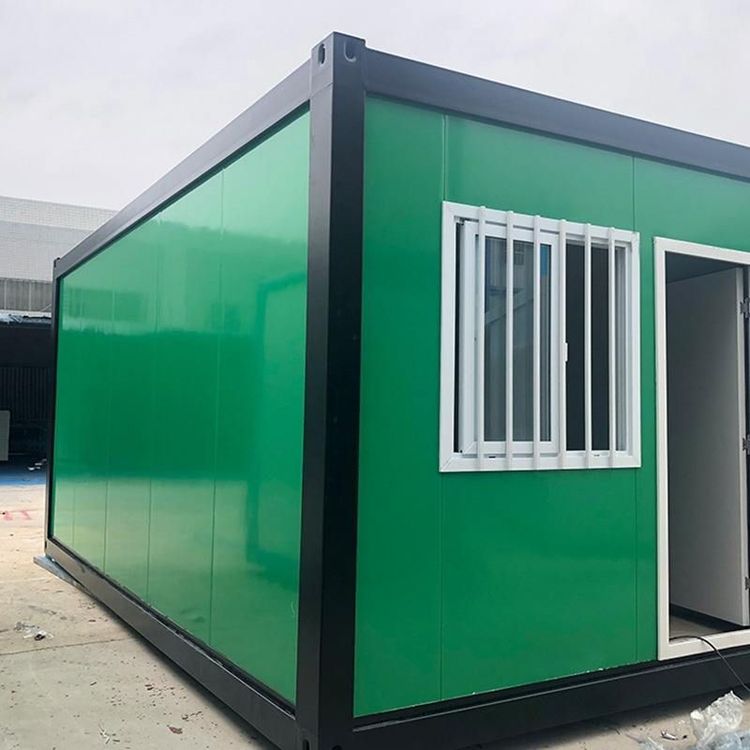
Mobile toilets special for transportation hubs are portable restrooms suitable for temporary scenarios such as transportation hubs, characterized by their lightweight, flexibility, mobility, modularity, and ease of transportation.

I. Applicable Scenarios Mobile toilets special for transportation hubs are primarily used in temporary settings, such as transportation hub areas with heavy pedestrian traffic during holidays (e.g., around train stations, bus stations, and airports), construction sites, or emergency incident scenes. For example, Baiyi'an mobile sanitation toilets can serve as emergency supplementary facilities at transportation hubs, meeting the restroom needs of large crowds in unexpected situations and can be customized according to actual requirements.
II. Structural Composition Mobile toilets typically consist of the following core components:
- Fecal Treatment System: This includes fecal sewage storage tanks or fecal sewage treatment devices. Some models are equipped with diverse sewage treatment methods such as water flushing, waterless flushing suction, recirculating water flushing, or dry packing.
- Basic Structure: Comprising floor slabs, walls, and roofs to ensure safety and environmental adaptability during use.
- Sanitary Facilities: Equipped with sanitary fixtures (such as toilets or squat pans), washing facilities (such as sinks), and water tanks to meet basic hygiene needs.
- Mobility Devices: Integrated with lifting, handling, or powered/trailer-type mobility methods for rapid deployment and relocation.
III. Classification Methods According to different criteria, mobile toilets can be classified into the following types:
- By Structural Form: Divided into single-unit structures (independent units) and composite structures (multi-unit combinations) to adapt to different spatial requirements.
- By Mobility Method: Divided into lifting/handling types (requiring manual or mechanical handling) and powered/trailer types (movable by vehicle traction) to enhance deployment flexibility.
- By Sewage Treatment Method: Divided into water-flushing types (requiring a water source), waterless flushing suction types (relying on vacuum suction), recirculating water-flushing types (water recycling), and dry packing types (sealed fecal collection) to meet environmental protection and resource conservation requirements.
IV. Core Advantages
- Rapid Deployment: Can be transported to designated locations and immediately put into use, alleviating temporary restroom pressure.
- Reusability: Durable structure allows for multiple disassemblies, assemblies, and relocations, reducing long-term costs.
- Flexible Combination: Supports single-unit or modular拼接 (modular combination) to adapt to the needs of different crowd sizes.
- Environmental Adaptability: Reduces sewage discharge through technologies such as dry packing or recirculating water flushing, aligning with green construction principles.