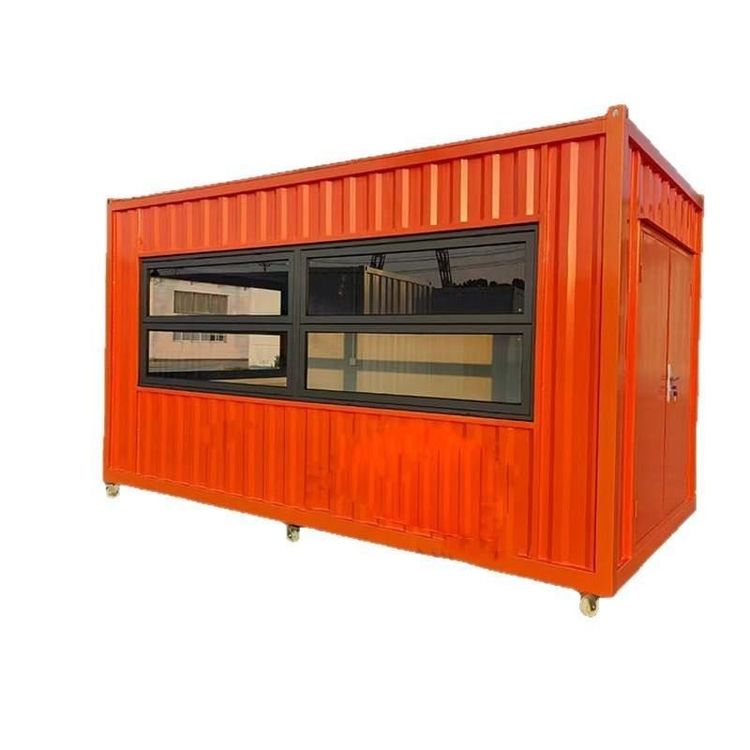
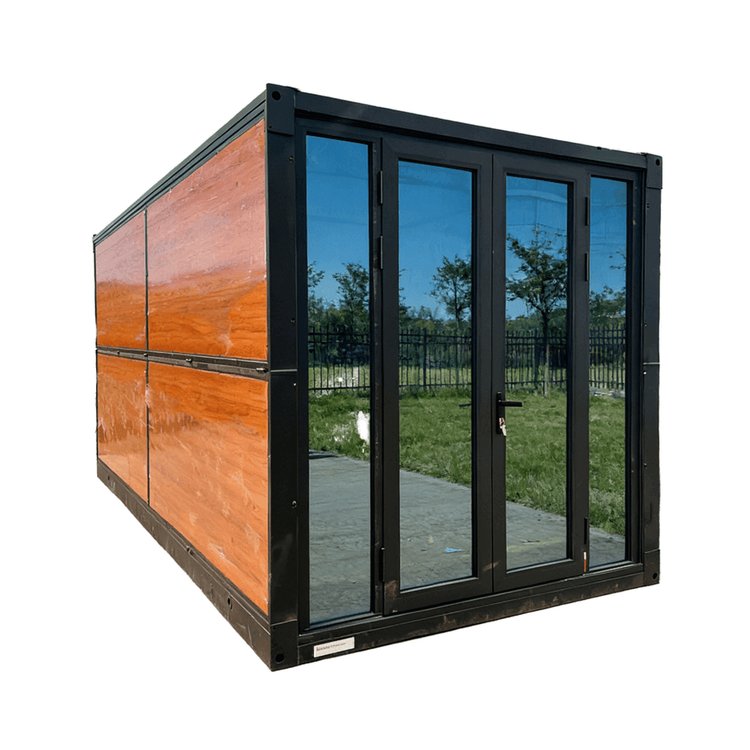
Mobile Toilet Sunken Type
The sunken-type squat toilet in mobile toilets is a design approach that lowers the structural layer of the squat toilet area to a certain height, facilitating the embedding of drainage pipes.

Structural Characteristics of Sunken-Type Squat Toilets
The sunken-type squat toilet in mobile toilets is similar in structure to sunken-type bathrooms. Typically, the structural layer of the squat toilet area is lowered to a certain height, usually between 30 and 40 centimeters, with some sources mentioning a 40 cm lowering. This design allows drainage pipes to be embedded within the sunken box, enabling easy connection to water and electricity for direct use upon installation, greatly facilitating the rapid setup and use of mobile toilets.
Similarity to Sunken-Type Bathrooms
Sunken-type bathrooms are generally constructed by lowering the bathroom's structural layer, either partially or entirely, to a certain height from the corresponding floor level during the main building construction. The purpose is to embed the bathroom's horizontal drainage pipes within it. Subsequently, lightweight materials such as expanded clay or foamed cement slurry are used for backfilling, with only a single opening required on the structural surface for the drainage riser to pass through. The sunken-type squat toilet in mobile toilets borrows from this design concept, featuring the convenience of embedding drainage pipes. However, current search results do not provide detailed information on the specific installation procedures, such as backfilling, for sunken-type squat toilets in mobile toilets.
Advantages
This sunken design offers significant advantages for mobile toilets. On one hand, it optimizes spatial layout by concealing drainage pipes beneath the structural layer, making the interior of mobile toilets more tidy and orderly, and enhancing the user experience. On the other hand, it facilitates the installation and maintenance of drainage pipes. When issues arise with the pipes, there is no need to extensively damage the ground structure of the mobile toilet; repairs can be carried out simply within the sunken area, reducing maintenance costs and difficulty. Additionally, this design helps improve the sealing and stability of mobile toilets, minimizing odor emission and sewage leakage risks, and better meeting the requirements for sanitary facilities in various scenarios.