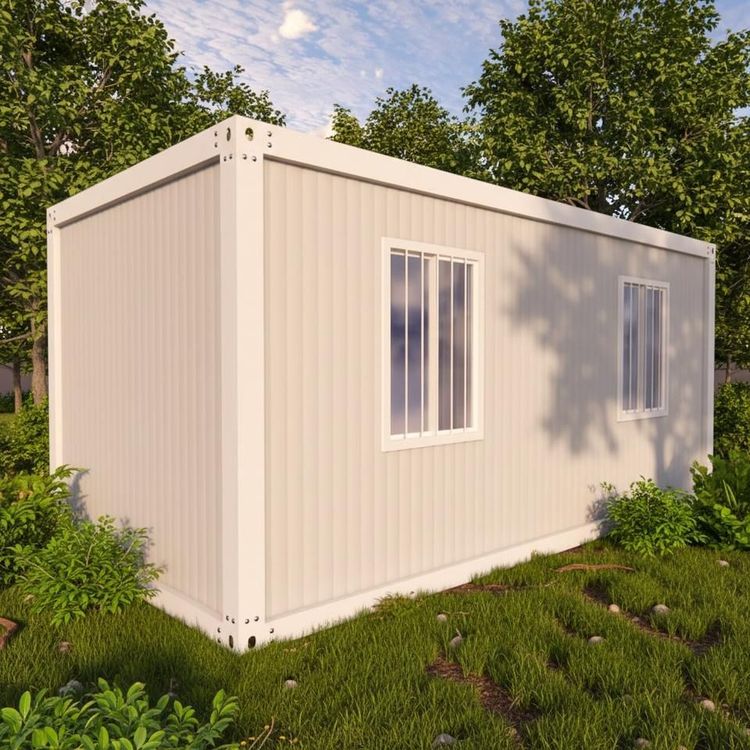
Squat Toilets for Mobile Toilets
Squat toilets for mobile toilets come in various types with distinct characteristics. Common types include those made of stainless steel, fiberglass, plastic, and ceramic, with usage methods such as foot-pedal and flush-mounted, and drainage methods including floor drainage and no drainage.
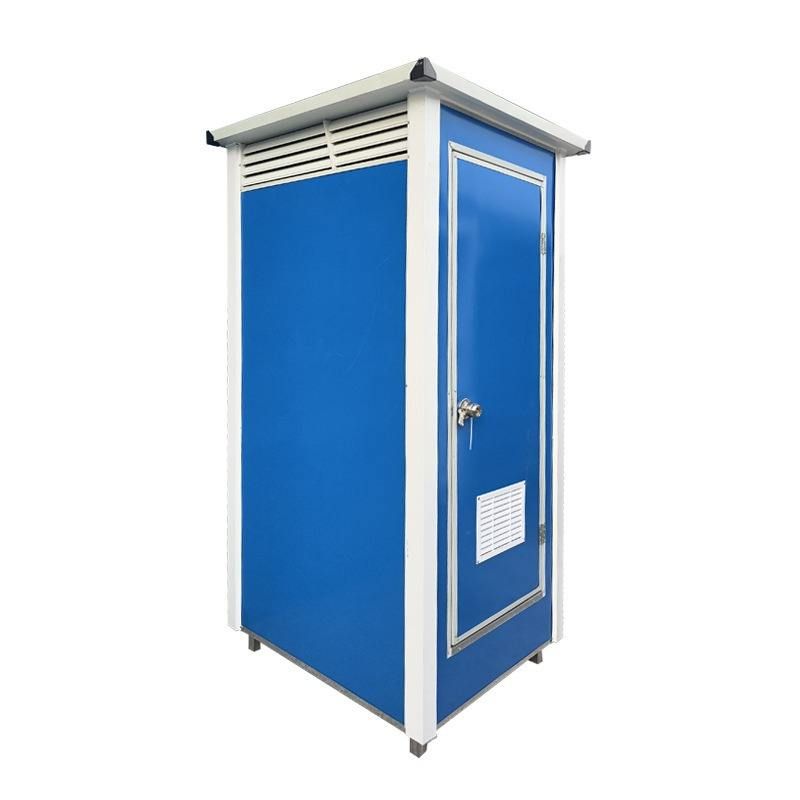
In terms of materials, stainless steel squat toilets offer significant advantages. In container mobile restrooms, traditional ceramic squat toilets are fragile and prone to cracking and leaking during container transportation, whereas stainless steel is sturdy and durable, addressing this issue. For example, the stainless steel integrated water-flush squat toilet features an integrated design with 1.2 thickened plates, ensuring reliable quality and the ability to withstand external impacts, making it suitable for scenarios requiring frequent movement and use. Fiberglass squat toilets are lightweight yet strong, with good corrosion resistance, making them suitable for mobile toilets with weight requirements and complex usage environments. Plastic squat toilets are relatively low-cost, lightweight, and easy to install and replace, though their durability may be slightly inferior to that of stainless steel and fiberglass models. Ceramic squat toilets have an aesthetically pleasing appearance and a smooth, easy-to-clean surface, but as mentioned earlier, their fragility limits their widespread use in mobile settings.
Regarding usage methods, foot-pedal squat toilets control flushing with a foot pedal, offering convenient operation without the need for hand contact, making them more hygienic; flush-mounted squat toilets are more tightly installed with the floor, providing a neater overall appearance.
For drainage methods, floor-drainage squat toilets need to be connected to floor drainage pipes to discharge sewage directly into the underground drainage system, suitable for locations with complete drainage facilities; squat toilets without drainage typically adopt packaging or storage designs, collecting feces in specific containers for regular cleaning. This drainage method is suitable for locations without drainage conditions or where drainage is inconvenient, such as in the wild or at temporary event venues.