Why Container House Conversion Matters: A Quick Guide
Container house conversion holds significant importance in 2026, primarily manifesting in five key areas: economic efficiency, sustainability, lifestyle transformation, rapid deployment and modular expansion, as well as ecological attributes and aesthetic appeal.

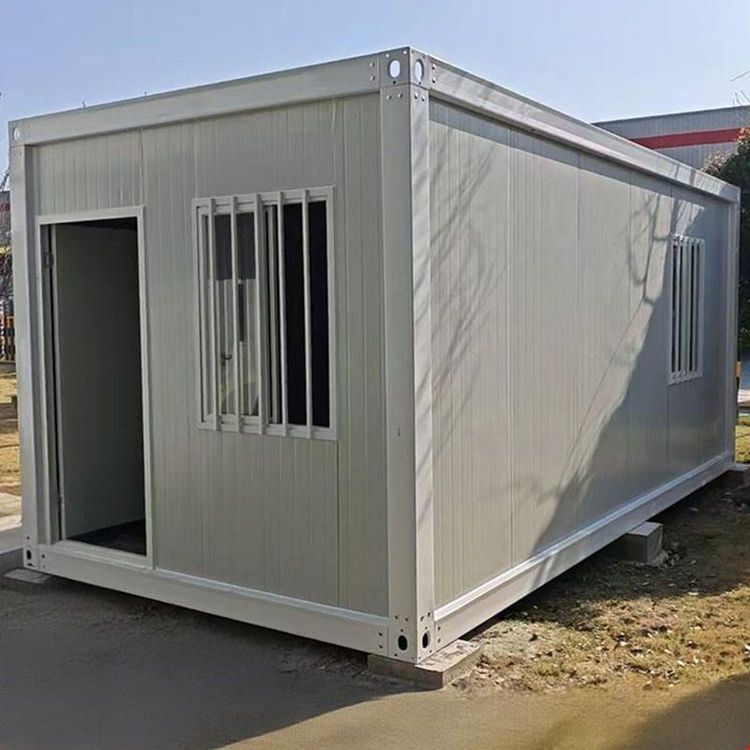
1. Economic Efficiency: Lowering Housing Barriers and Alleviating Home-Buying Pressure Global housing prices continue to outpace income growth, making traditional housing prohibitively expensive. Container houses, by utilizing discarded or idle steel containers as their foundational structure, significantly reduce material and construction costs. Their cost is only a fraction of that of traditional houses, providing an affordable housing option for low- and middle-income groups, particularly first-time homebuyers or those with limited budgets. This economic efficiency not only alleviates housing pressure but also promotes equitable distribution of housing resources.
2. Sustainability: Reducing Carbon Emissions and Construction Waste The traditional construction industry is a major source of carbon emissions. Container conversion, through the approach of “reuse” rather than “new construction,” directly reduces carbon emissions from steel production, transportation, and construction processes. According to research, converting a container house can reduce “embodied carbon” (carbon emissions throughout the material's lifecycle) by approximately 75%, while also avoiding landfilling of construction waste, aligning with global carbon neutrality goals. This circular economy model offers a practical solution for addressing climate change.
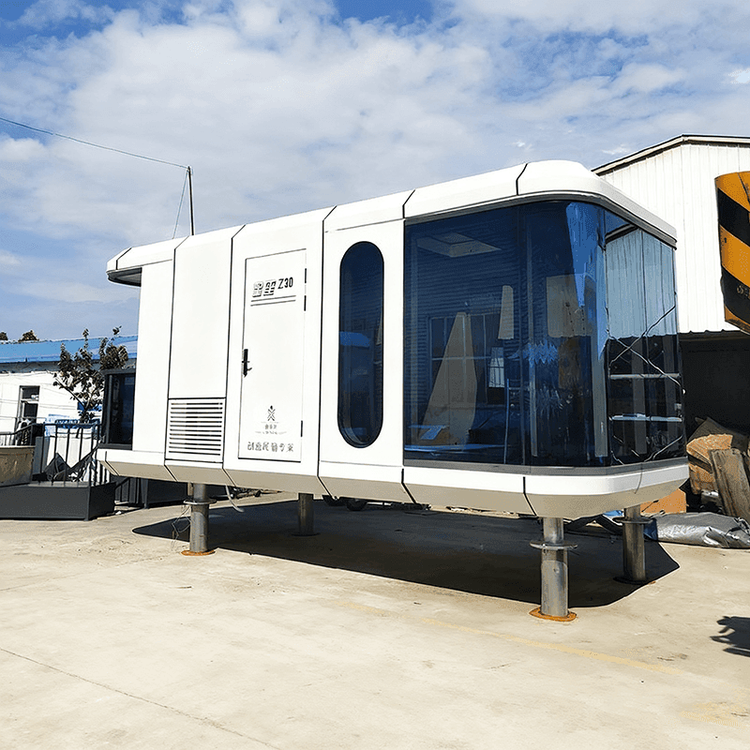
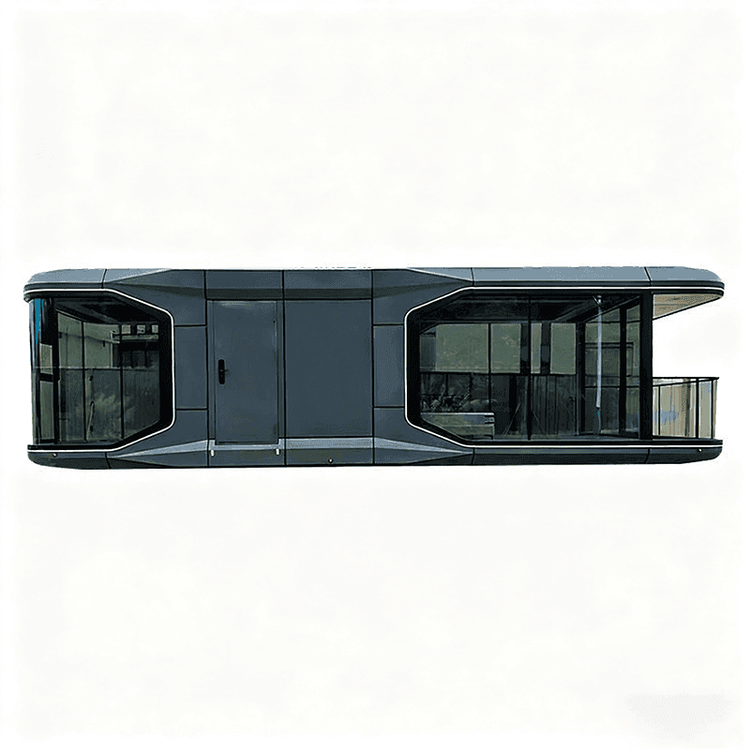
3. Lifestyle Transformation: Adapting to Flexible Living and Remote Work Needs The convergence of the “minimalist lifestyle” and “remote work” trends has spurred demand for multifunctional, movable living spaces. Container houses, with their compact size (typically 20-40 feet) and modular design, can be quickly transformed into offices, vacation homes, or temporary residences, catering to the “on-the-go” mobile lifestyle. Additionally, their low-cost nature supports individuals in launching side businesses through platforms like Airbnb, converting idle spaces into income sources, further blurring the boundaries between living and working.
4. Rapid Deployment and Modular Expansion: Meeting Emergency and Dynamic Needs The standardized structure of container houses enables “plug-and-play” assembly advantages, allowing construction to be completed within weeks, far faster than the months or even years required for traditional houses. This characteristic makes them ideal for post-disaster reconstruction, temporary medical facilities, or housing in remote areas. Simultaneously, modular design allows users to expand space according to needs (such as stacking containers to add floors) without extensive demolition and reconstruction, significantly enhancing the adaptability of living spaces.
5. Ecological Attributes and Aesthetic Appeal: Aligning with Innovative and Sustainable Values The “industrial style” appearance of container houses, in stark contrast to environmental protection concepts, has become a hot topic on social media, attracting young groups pursuing uniqueness and sustainability. Their design flexibility (such as window placement, painting, and internal layout) allows for personalized customization, retaining the original texture of containers while incorporating modern home elements, meeting market expectations for “innovative housing solutions.” This dual attribute not only enhances the living experience but also drives aesthetic innovation in the construction industry.