
Mobile Toilet and Smart Toilet
Smart toilets are a new type of urban public infrastructure that rely on the Internet of Things, big data, cloud computing, edge computing, artificial intelligence, and automatic control technologies to digitally and intelligently upgrade traditional public toilets.
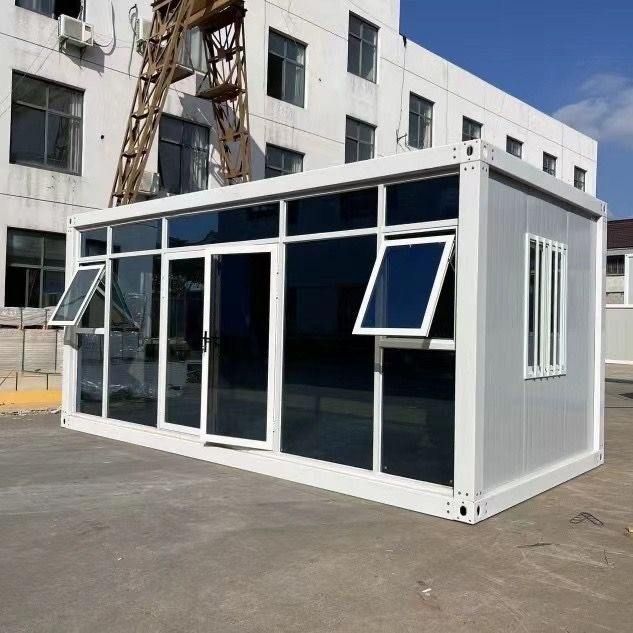
I. System and Functions of Smart Toilets Smart toilets have established a fully closed-loop intelligent management system encompassing “perception and collection - transmission and analysis - intelligent decision-making - automatic execution - operation and maintenance management”. By deploying environmental sensors, toilet stall monitors, and pedestrian traffic counting devices, they collect real-time data on temperature, humidity, air quality, and toilet stall occupancy. After edge computing or cloud-based analysis, these systems automatically trigger the联动 operation of flushing, lighting, ventilation, and deodorization equipment, and generate operation and maintenance work orders. This system comprehensively resolves issues such as unpleasant odors, toilet stall congestion, delayed maintenance, excessive energy consumption, and crude management in traditional public toilets, achieving a full-scale upgrade in terms of humanized services, digitized operation and maintenance, refined management, and low-carbon operations.
II. Development and Iteration Stages
- Initial Smart Stage (2015-2018): Focused on the installation of single intelligent devices, such as automatic flushing, sensor-activated lighting, and simple odor purification. These devices operated independently without data linkage, addressing only basic sanitation issues and lacking systematic management capabilities.
- Digital Upgrade Stage (2019-2022): With the widespread adoption of IoT sensing technologies, public toilets were equipped with toilet stall monitoring, environmental monitoring, and pedestrian traffic counting devices, along with visual data dashboards and management backends. This enabled the visualization of operational data and the initial development of digitized operation and maintenance capabilities.
- Full-Scenario Smart Stage (2023-present): The in-depth application of edge computing, big data analysis, and AI algorithms has resulted in a four-tier architecture of “perception - transmission - edge computing - cloud-based control - scenario application”. This enables functions such as automatic device control, fault prediction, intelligent supply of consumables, and precise energy consumption control, while also accommodating customized needs across multiple scenarios and deeply integrating into smart city management systems.
III. Typical Application Types
- Epidemic Prevention Smart Eco-Friendly Mobile Public Toilets: Utilize contactless operations such as wave-to-open doors, seat pad replacement, and flushing to reduce the risk of cross-infection.
- Smart Mobile Micro Public Toilets: Feature a U-shaped apple pod design with fluorocarbon-painted aluminum exterior walls. They indicate occupancy status through breathing lights, use rock panels for flooring, and possess environmental sensing, one-touch operation, and eco-friendly energy-saving features.
- Compact Smart Eco-Friendly Mobile Public Toilets: Equipped internally with a composting toilet system, sink, smart mirror, and breathing lights, these toilets are prefabricated in factories for immediate use and are suitable for temporary or emergency scenarios.
Smart toilets have been widely applied in public settings such as urban municipal facilities, transportation hubs, tourist attractions, medical institutions, and commercial complexes, becoming an important component of integrated smart city and smart sanitation construction.



