
Where Does the Sewage from Mobile Toilets Go?
The sewage disposal methods for mobile toilets vary depending on the type of toilet and its supporting facilities. Common methods include discharging into septic tanks, municipal sewage networks, vacuum collection containers, or storage tanks.
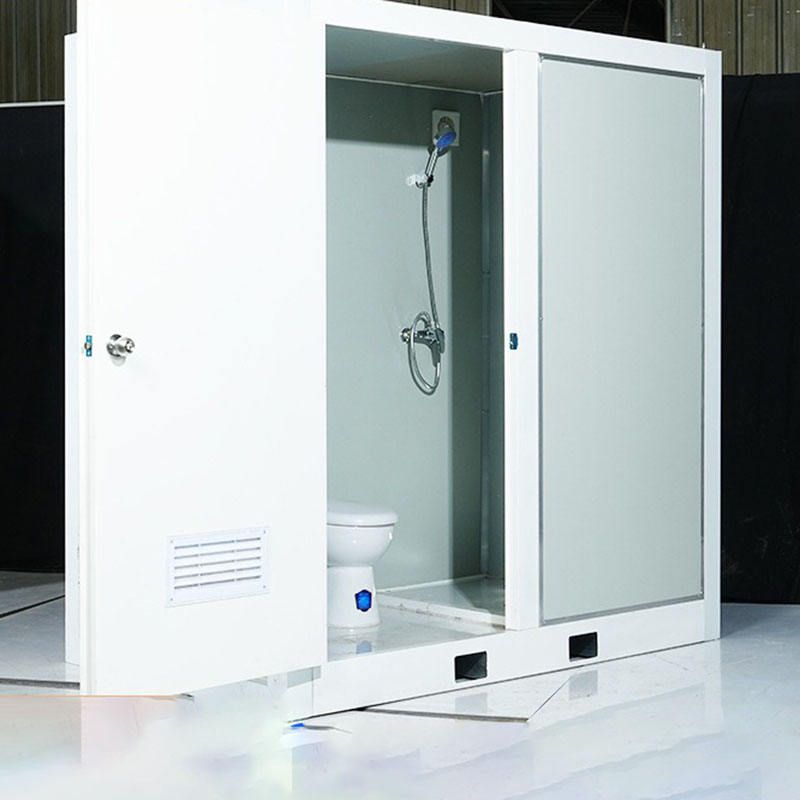
Conventional Flush Discharge
Conventional flush mobile toilets require connection to water supply and drainage pipes. They use manual or automatic sensing devices to flush and discharge waste. The sewage is directly discharged through pipes into a septic tank for preliminary treatment or connected to the municipal sewage network for unified treatment. This method is suitable for places with a stable water supply and well-developed drainage systems, such as city parks and construction sites, ensuring timely sewage discharge and reducing odors.
Vacuum Sewage System
The vacuum sewage system utilizes the principle of negative pressure to quickly suck sewage into a sealed collection container through a vacuum pump. This system uses only one-tenth of the water compared to conventional flush systems and has strong pipe sealing, effectively preventing sewage leakage and odor diffusion. The collection container requires regular cleaning and is suitable for places with high hygiene requirements, such as high-end scenic spots and temporary event venues.
Water Storage Sewage System
Water storage mobile toilets discharge waste into a built-in storage tank through flushing. Once the tank is full, it requires manual cleaning or replacement. This type of toilet is suitable for scenarios with sufficient water supply but limited drainage conditions, such as remote construction sites and temporary exhibitions. During cleaning, the sewage needs to be transported to designated treatment points, which is relatively cumbersome but cost-effective.
Sewage Pipe Connection at the Rear Base
Some mobile toilets discharge sewage directly into external septic tanks or dedicated treatment facilities through a sewage pipe connected at the rear base. If equipped with a fiberglass toilet bowl, it can enhance the corrosion resistance of the sewage pipe and extend its service life. This method is suitable for permanently installed mobile toilets and requires prior planning of the sewage pipe route.
Other Disposal Methods
- Biodegradation Technology: Utilizes microorganisms to decompose waste into harmless substances, requiring only a small amount of water or no flushing at all. The sewage is directly discharged into the soil or a collection container.
- Dry Packaging Type: Uses biodegradable packaging bags to collect waste, eliminating the need for a drainage system. It is suitable for water-scarce areas or scenarios with strict environmental requirements.
- Recirculating Water Perforation Technology: Uses filtration and disinfection devices to recycle flushing water, reducing sewage production. However, it requires regular equipment maintenance.
When choosing a disposal method, it is necessary to comprehensively consider actual passenger flow, water supply conditions, environmental requirements, and maintenance costs. For example, high-traffic places should opt for vacuum sewage or conventional flush systems; water-scarce areas can prioritize biodegradation or dry packaging types.



