
Back to blog
Article
Mobile Toilet Septic Tank Installation
Admin October 01, 2026
The installation of a mobile toilet septic tank must be carried out strictly in accordance with standardized procedures to ensure safety and environmental compliance. The specific steps are as follows:
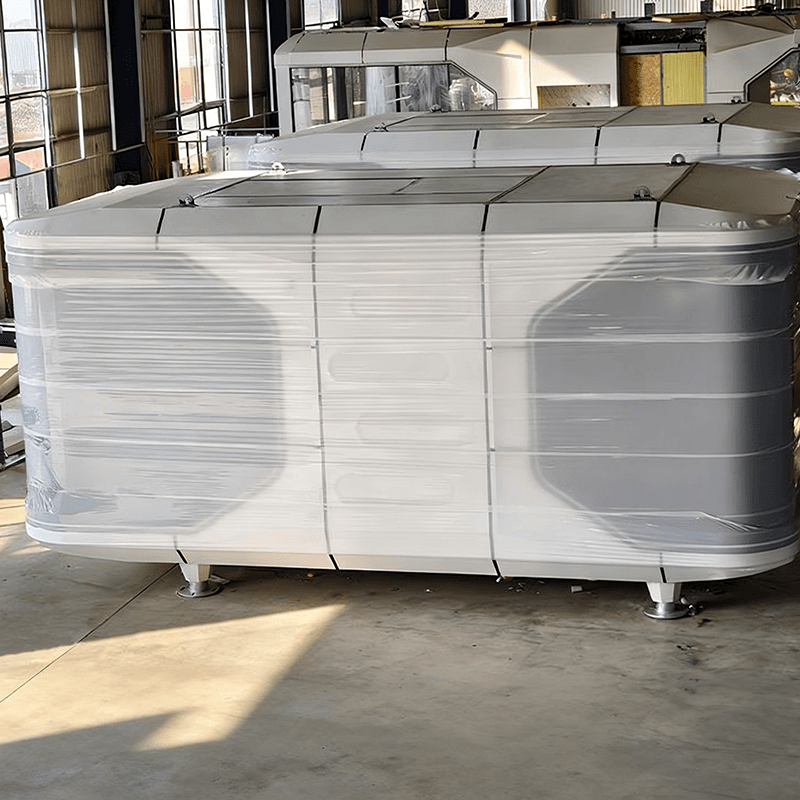
I. Preliminary Preparations
- Confirm Installation Location: Choose an area with higher elevation and smooth drainage, maintaining a distance of approximately 1.5 meters from the main body of the mobile toilet to prevent water accumulation or blockage due to low-lying terrain.
- Check Tools and Materials: Prepare tools such as shovels, tape measures, and wrenches. Verify that the specifications of accessories like PVC pipes, elbows, and sealing rings match to ensure interface tightness.
- Communicate with Property Management: Notify the property management in advance about the installation plan and confirm that there are no underground pipes or greenery in the construction area to avoid damaging existing facilities.
II. Septic Tank Excavation and Positioning
- Excavation Depth and Dimensions: Determine the excavation depth (usually about 1.2 meters) based on the model of the mobile toilet. The diameter should be 20 centimeters larger than the main body of the septic tank to allow space for subsequent backfilling and fixation.
- Bottom Treatment: Lay a 10-centimeter-thick layer of gravel and compact it to ensure the septic tank is placed steadily and to prevent deformation or leakage due to an uneven foundation.
- Horizontal Positioning: Use a level to calibrate the height of the inlet and outlet of the septic tank to ensure alignment with the ground pipes and prevent drainage issues or odor backflow caused by height differences.
III. Pipe Connection Installation Process
- Inlet and Outlet Pipe Connections: Align the PVC pipes with the inlet and outlet of the septic tank, seal them with sealing rings, and then fix the interfaces with special adhesive to ensure a firm and leak-free connection.
- Odor Prevention Treatment: Install anti-overflow valves at the pipe connections to prevent odor from returning and enhance the user experience.
- Ground Connection: Fix the pipe direction with concrete or bricks to prevent displacement due to trampling or external forces, which could affect drainage performance.
IV. Backfilling and Commissioning
- Layered Backfilling: First, backfill gravel to a height of 5 centimeters above the pipes, and then compact it layer by layer with yellow soil to prevent settlement or pipe damage due to improper backfilling.
- Drainage Test: Open the inlet valve and observe whether the drainage is smooth. Check for any leakage points at the interfaces and promptly repair any issues.
- Septic Tank Cleaning: Before the first use after installation, empty the impurities (such as gravel and dust) in the tank to prevent blockage and ensure subsequent use.
V. Precautions
- Regular Maintenance: It is recommended to check the tightness of the pipes and clean the sediment every quarter to extend the service life of the septic tank.
- Winter Frost Protection: In low-temperature areas (such as Anyang), wrap insulation cotton around the pipes to prevent cracking due to freezing and subsequent sewage leakage.
- Compliant Installation: Ensure that the connected pipes comply with local environmental protection requirements to avoid direct discharge of sewage and environmental pollution.
Related
You may also like

25Oct
Container House Installation Guide: A Complete Walkthrough
Read More
25Oct
Portable Toilet Eco-Friendly Custom & OEM: Design & Bulk Production Guide
Read More
25Oct
How to Assemble & Install Container House Step by Step
Read More
25Oct