
Mobile Toilet Safety Inspection Service
Mobile toilet safety inspection services primarily focus on hygiene safety, structural stability, and environmental adaptability, with independent and objective assessments provided by third-party inspection agencies covering various aspects such as building structures, equipment systems, and environmental hygiene.
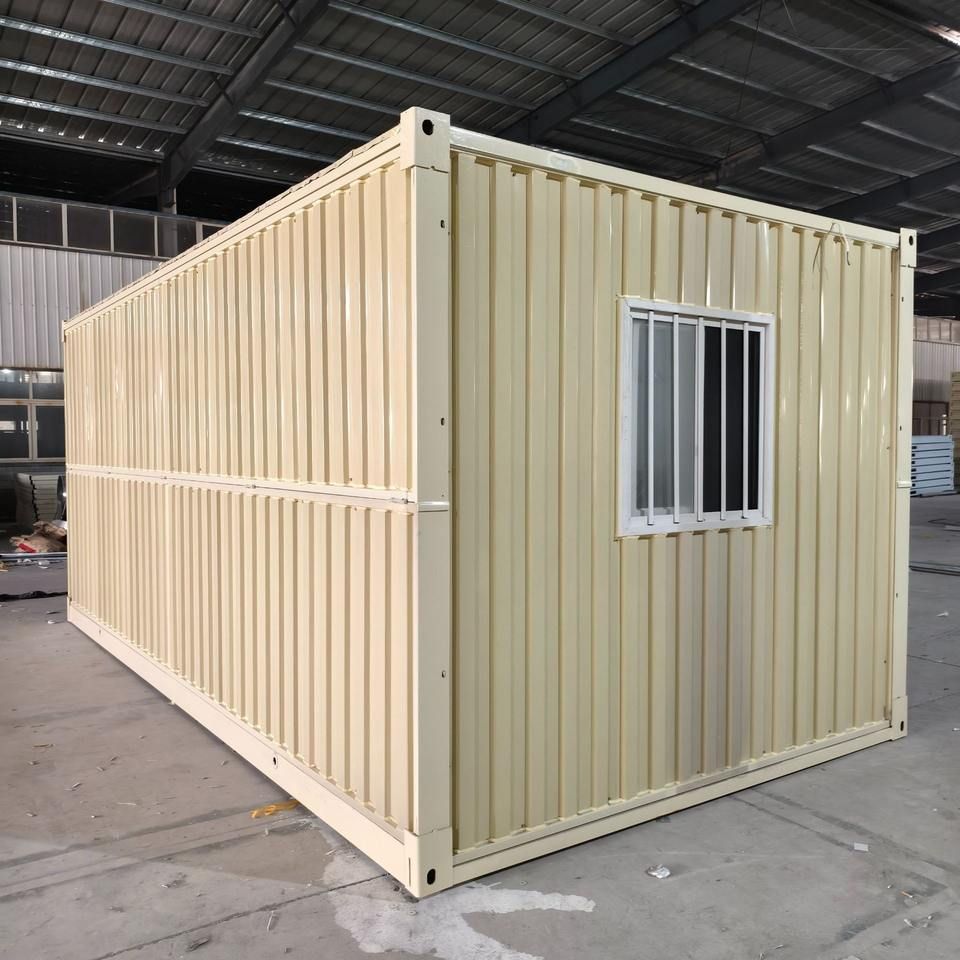
I. Building and Structure Inspection
- Building Structure Verification: Using tools such as laser distance meters and steel tapes, sample verification is conducted on wall distribution, door and window dimensions, structural axis lines, and heights to ensure consistency with the original design.
- Structural Damage Inspection: Check for aging, deformation in load-bearing components (such as steel beams and columns), reliability of node connections, and cracks in welded areas.
- Safety Calculation and Analysis: Based on the 'Building Structural Load Code' (GB50009-2012), combined with on-site data and original designs, PKPM software is used to calculate structural load-bearing capacity and assess safety under dead loads, live loads, wind loads, and seismic actions.
- Material Performance Inspection: Non-destructive testing is performed on steel structure welds, and tensile strength, yield strength, and impact toughness of steel materials are tested (selected according to owner requirements).
II. Equipment and System Inspection
- Internal Equipment Inspection: Visual inspection of equipment appearance (such as toilets and sinks) for damage, and functional testing to ensure smooth drainage.
- Water Supply and Drainage System Inspection: Pressure testing of water supply pipelines and drainage testing to check for blockages and ensure no leakage.
- Electrical System Inspection: Use voltmeters and ammeters to test the operating voltage and current of lighting, ventilation, and other equipment, and conduct functional tests to verify equipment operation status.
- Environmental Protection System Inspection: Water-saving devices are tested for water-saving effects through actual water consumption measurements, and deodorization devices are evaluated for working efficiency using odor detectors.
III. Hygiene and Environmental Adaptability Inspection
- Hygiene Condition Inspection: Visual inspection of ground and wall cleanliness, and bacterial culture dish sampling to analyze total bacterial count and coliform bacteria.
- Environmental Adaptability Inspection: Includes material corrosion resistance (salt spray/acid-base tests), detection of formaldehyde and VOC emissions, measurement of friction coefficients on non-slip floors, and evaluation of ventilation system air exchange efficiency.
IV. Other Core Projects Covering the airtightness of septic tanks, mechanical strength of load-bearing components, fire resistance limits of fireproof materials, and the response reliability of emergency call systems, with inspection methods following international and domestic standards such as ISO and GB.
Inspection Agencies and Equipment Third-party agencies (such as Shanghai Baoye Engineering Technology Co., Ltd.) provide services, using key equipment such as constant temperature and humidity incubators, gas chromatography-mass spectrometers, and universal material testing machines to ensure scientific and reliable inspection results.



