
Methods for Adding Mobile Toilets
The methods for adding mobile toilets should be selected based on the usage scenario and requirements. Common solutions include portable toilets, disposable emergency bags, simple pit toilets, small folding toilets, and factory-prefabricated mobile toilets. The specific implementation methods and applicable scenarios are as follows:
1. Portable Toilets
Composed of a seat, a frame, and a detachable waste bucket or a dedicated collection bag, some models come with a privacy tent. Their core advantage lies in their stable structure and reusability, making them suitable for family self-driving camping or RV travel scenarios. Before use, a biodegradable bag should be placed in the waste bucket. After defecation, the bag should be sealed and stored separately to avoid mixing with ordinary garbage. If equipped with a privacy tent, ensure the tent is firmly fixed to prevent it from being overturned by strong winds. After use, waste should be disposed of according to local regulations, such as being placed in designated garbage stations or discharged through the RV sewage system.
2. Disposable Emergency Bags
Chemical treatment bags containing superabsorbent gel or curing agents can quickly convert liquids into gel-like solids and suppress odors. Their lightweight design makes them suitable for hiking backpackers or emergency reserve scenarios. When using, fully unfold the bag and fix it on a stable surface. After defecation, immediately seal the bag to avoid contact with the external environment. When disposing of, strictly follow the principle of "Leave No Trace" camping and place the sealed bag in designated garbage recycling points. Do not discard or bury it randomly.
3. Simple Pit Toilets
Suitable for wilderness areas where primitive camping is allowed, choose a dry location at least 60 meters away from water sources, campsites, and trails. Use tools to dig a shallow pit of 15-20 centimeters. After defecation, cover with natural materials (such as leaves, soil) and completely bury. Key precautions: Confirm whether local environmental regulations allow the burial of feces. Some protected areas or high-altitude regions prohibit such behavior. Avoid using sharp tools to damage the roots of vegetation.
4. Small Folding Toilets
Using lightweight metal or high-strength plastic frames, they form a stable toilet seat when unfolded, with a disposable emergency bag or thickened garbage bag hanging below. Their advantage lies in the balance between portability and collection efficiency, making them suitable for backpack camping or small team travel. When using, ensure the frame is fully unfolded to avoid tipping due to structural instability. Choose thick materials for the collection bag to prevent rupture. After use, seal the bag and store it separately.
5. Factory-Prefabricated Mobile Toilets
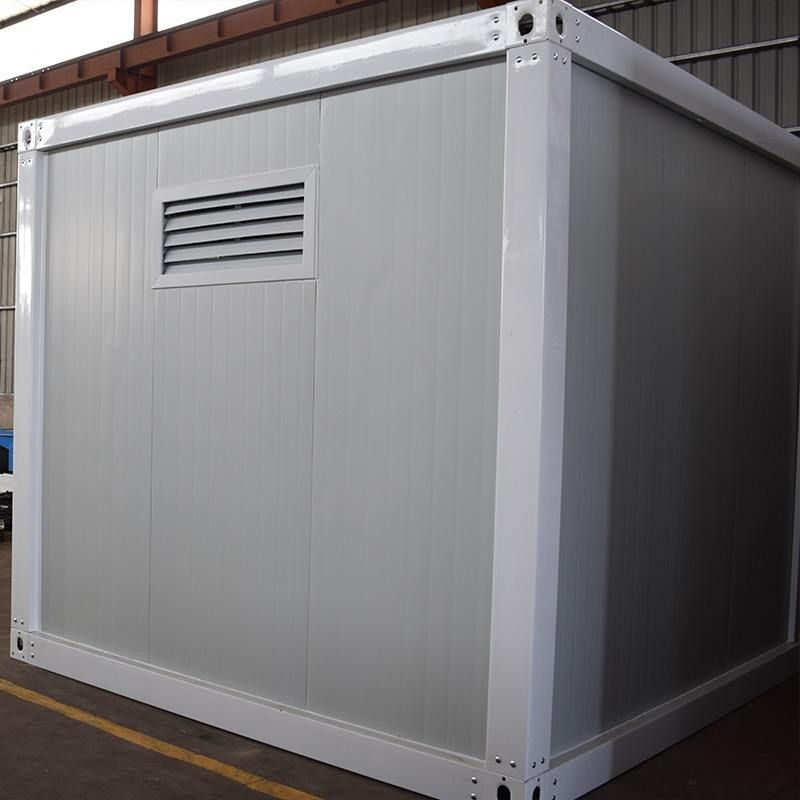
Constructed with steel frames, color steel plates, or fiberglass walls, they are equipped with channel steel or I-beams at the bottom to support lifting and moving. They usually contain a septic tank, a flushing system, and ventilation devices inside, suitable for high-traffic public places such as city streets, parks, and construction sites. During installation, ensure the ground is level, connect water and electricity pipes (if a flushing function is required), and regularly clean the septic tank to avoid blockage. Such toilets require maintenance by professional teams, and individual users do not need to handle feces themselves.
Selection Suggestions: For short-distance activities (such as hiking), prioritize disposable emergency bags to reduce weight. For multi-day camping, combine folding toilets with disposal bags to balance convenience and environmental protection. For team travel, evaluate the daily number of users and choose factory-prefabricated toilets with matching capacity or add multiple portable devices. In all scenarios, check local environmental regulations in advance. For example, some national parks require feces to be taken out of the campsite for disposal.



