
Portable Toilet Movable Bulk Orders: What Buyers Should Know
When purchasing portable toilets in bulk, buyers should focus on key information such as price discounts, product features, application scenarios, customization services, certification standards, after-sales service, and transportation and installation.
1. Price and Bulk Discounts
Bulk purchase prices decrease significantly with increasing quantity. For example, the unit price for a certain product is $275 when purchasing 5-24 units, drops to $255 for 25-99 units, is $245 for 100-9999 units, and only $175 for over 10,000 units. Another low-end product has a minimum order quantity of 10 units, with a unit price range of $250-$300. Note that discount gradients may vary among suppliers, so it is advisable to compare quotes from multiple suppliers to optimize costs.
2. Product Features and Materials
The main structure is made of lightweight, high-strength materials, such as aluminum frames paired with EPS or glass wool sandwich panels, balancing portability and durability. Core features include corrosion resistance, wind resistance, and earthquake resistance, suitable for extreme outdoor environments. Some high-end models are equipped with windows, door locks, electrical systems, plumbing, and sanitary facilities, and even built-in waste bins to meet diverse needs. Material selection directly affects product lifespan and maintenance costs, so it is essential to prioritize anti-aging and easy-to-clean materials based on the usage scenario.
3. Application Scenarios
Primarily serving temporary demand scenarios, such as construction sites, oil fields, mines, and military camps as temporary toilets or bathrooms; also suitable for government/school projects, rural public toilets, and the rental market. Choose models based on usage frequency, population density, and environmental conditions. For example, high-traffic areas require models with larger capacity or more frequent cleaning.
4. Customization Services
Most suppliers support services such as brand logo printing, color customization, and size adjustments. Some offer modular combination designs to adapt to specific event themes or corporate images. Customization needs may affect production cycles and costs, so it is necessary to confirm feasibility and additional costs with suppliers in advance.
5. Certification and Standards
Compliant products typically pass certifications such as CE (safety), RoHS (environmental protection), ISO (quality management system), SGS/BV (third-party testing), and ASTM (material standards). Choosing products with multiple international certifications can reduce legal risks, especially for export projects.
6. After-Sales Service
Suppliers generally provide online technical support, spare parts supply, and maintenance guidance, with some promising free replacement services during the warranty period. Clarify the warranty scope, response time, and service coverage area to avoid disputes during subsequent use.
7. Transportation and Installation
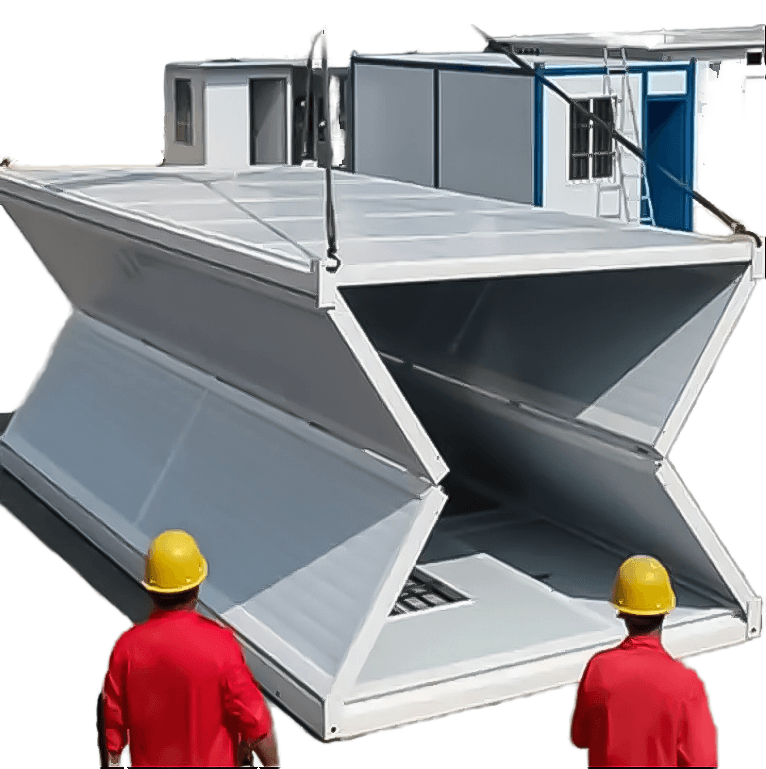
Designed for rapid deployment, some products feature foldable structures or wheeled bases to reduce transportation difficulty. Installation usually does not require a cement foundation, only connecting to water sources and waste treatment systems. Plan transportation routes and installation site conditions in advance to ensure compliance with product dimensions and load-bearing requirements.



