Back to blog
Article
How About Mobile Toilet Rental
Admin October 11, 2026
Mobile toilet rental offers significant overall advantages, but it is necessary to weigh the pros and cons based on scenario requirements. It is an efficient solution for short-term or flexible scenarios. Its characteristics can be analyzed from the following dimensions:

I. Significant Core Advantages
- Flexibility and Cost Optimization
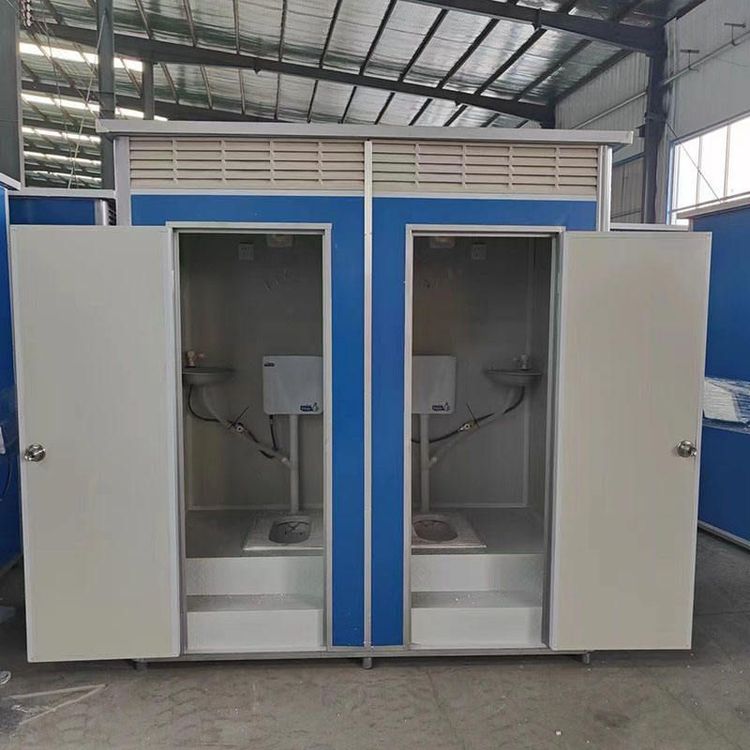
Mobile toilets are independent and movable, enabling rapid deployment in scenarios such as construction sites, cultural and tourism events, and municipal emergencies, avoiding the time and material consumption of traditional civil engineering. The cost structure shifts from one-time fixed asset investment to periodic service fees, reducing the initial capital threshold for users. Moreover, responsibilities for maintenance and cleaning are borne by the service provider. For example, construction sites enjoy stable monthly rental returns, while short-term rentals during peak cultural and tourism seasons command higher premiums. Bulk or long-term rentals can enjoy discounts of over 30%. - Policy and Industry Trend Support
Policies such as the "Toilet Revolution" encourage modular and movable public toilets. Failure to provide them at construction sites and large events may result in penalties. The industry is moving towards environmental protection and intelligence, with new types of toilets such as solar-powered, waterless ecological, and IoT-monitored toilets holding great potential and meeting green and low-carbon demands. - Strong Adaptability to Multiple Scenarios
- Construction Sites: Legally mandated to be equipped, with long-term stable demand.
- Cultural and Tourism Events: Explosive demand during peak seasons such as music festivals and marathons, requiring advance toilet seat reserves.
- Municipal Emergencies: Many government procurement projects for flood control and disaster relief, temporary gatherings, etc.
- Remote Areas: Ecological mobile toilets (such as microbial degradation and packing types) are popular in areas without pipe networks, such as mines and wild projects.
II. Potential Limitations to Consider
- Service Continuity Risks
Reliance on regular maintenance and resupply (such as septic tank cleaning and water and electricity replenishment). If service is interrupted, sanitary conditions will rapidly deteriorate, affecting the user experience. - Limited Functional Experience
Constrained by volume and cost, most rental toilets have weaker internal space, ventilation, and temperature control capabilities compared to fixed toilets, with reduced comfort in extreme weather or high-frequency use. - Site Adaptation Requirements
Requires a flat ground surface and nearby access to water and electricity. Deployment costs increase in areas with complex terrain or weak infrastructure. - Long-Term Cost Considerations
For stable demand lasting several months or more, cumulative rental costs may approach or exceed the cost of constructing simple fixed facilities. Comprehensive consideration of management convenience and asset ownership is required.
III. Recommended Application Scenarios
- Short-term/Temporary Demand: Prioritize rental for scenarios such as cultural and tourism events and municipal emergencies to flexibly respond to demand fluctuations.
- Remote or Areas Without Pipe Networks: Ecological mobile toilets can solve the problem of missing infrastructure.
- Long-term Stable Demand: If the budget is sufficient and management is convenient, constructing fixed facilities may be more economical.
In conclusion, mobile toilet rental has clear advantages in terms of flexibility, cost, and policy support. However, comprehensive decisions must be made based on usage duration, site conditions, and functional requirements to achieve efficient resource utilization.
Related