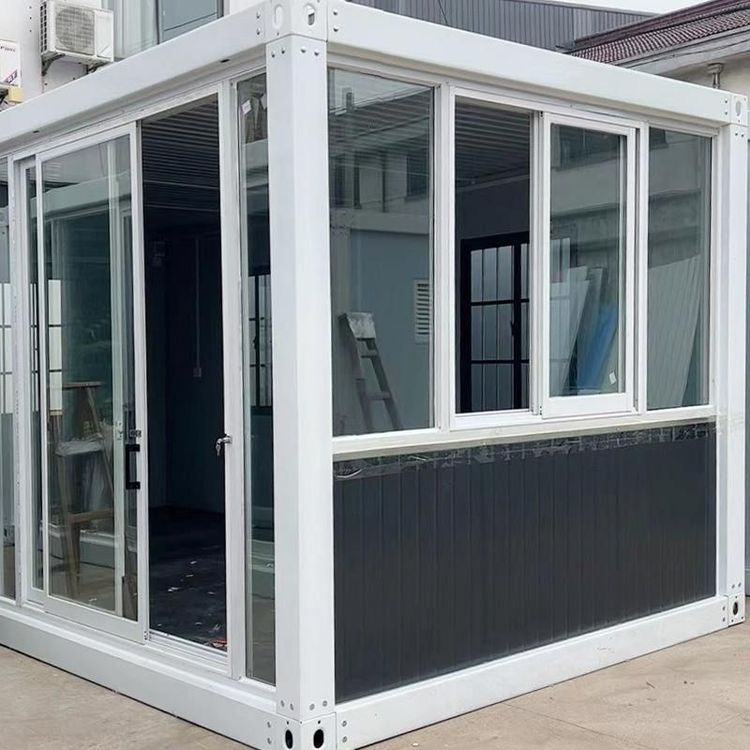
Mobile Toilet Rapid Installation Technology
Mobile toilet rapid installation technology centers on modular frameworks and lightweight materials, achieving efficient deployment through standardized components and lifting techniques. Its technical highlights cover design, installation, adaptability, and environmental and economic efficiency.
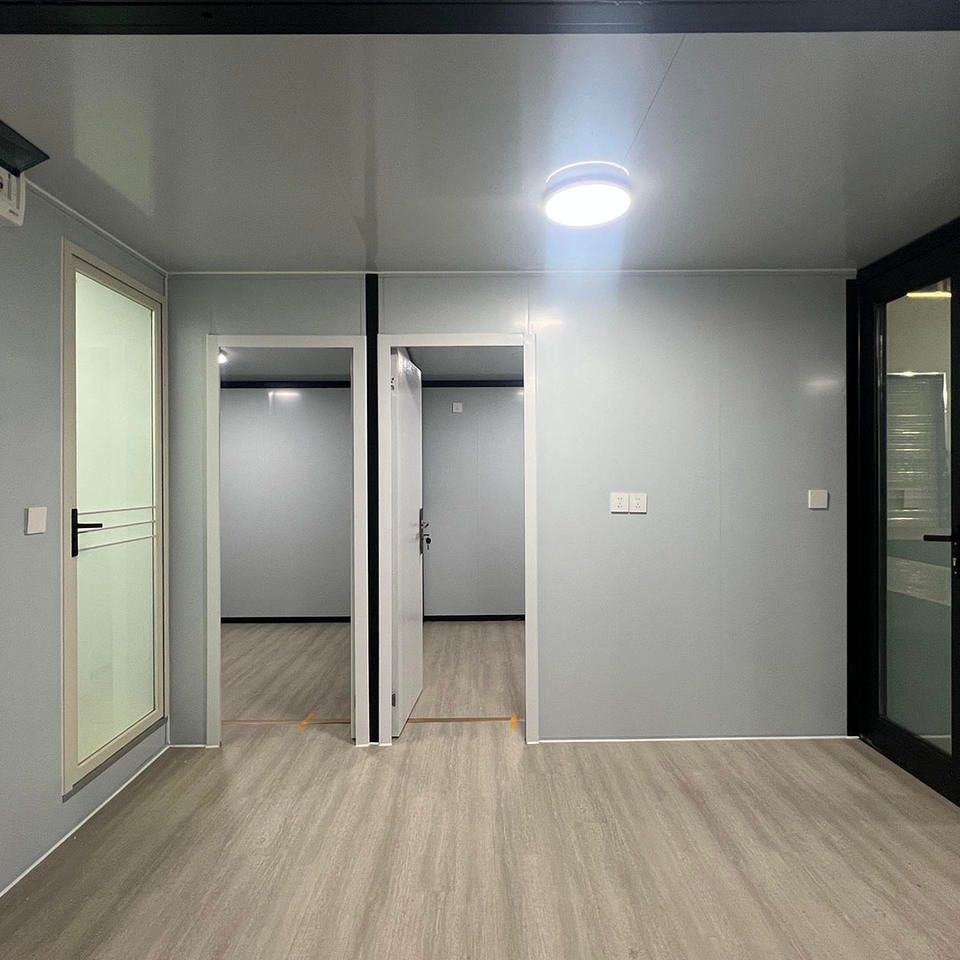
Modular and Lightweight Design
The main structure uses high-strength steel or aluminum alloy frames, covered with eco-friendly composite panels. This ensures structural stability while reducing overall weight for easier transportation and lifting. Internally, it is equipped with an independent sewage system offering multiple options such as direct water flushing, waterless packing, or graywater recycling, allowing flexible selection based on usage scenarios. For example, in water-scarce areas or temporary events, the waterless packing system avoids sewage discharge issues, while in areas with municipal sewer coverage, the direct water flushing system better meets hygiene needs.
Standardized Lifting Interface
A standardized lifting interface is reserved at the top, enabling direct lifting by cranes to designated locations without the need for foundation construction, significantly shortening deployment time. For instance, at a film and television production base, through a leasing model, the installation of 20 toilet units was completed in just 3 days, fully demonstrating its rapid response capability. The lifting process must be operated by professionals to ensure interface alignment and structural safety.
Rapid Assembly and Fixing Technology
Some models adopt a slot-and-groove assembly design, where panels are inserted, aligned, and then fixed with rivet guns, in combination with electric drills and 4.2mm drill bits for assembly. For example, during installation, the inner corners are first fixed, then the panels are inserted into the slots, aligned, drilled, and riveted to ensure structural stability. This technology reduces the requirements for tools and skills, allowing ordinary workers to operate after training, further enhancing installation efficiency.
Flexible Adaptation to Different Scenarios
- Short-term high-traffic areas: Such as exhibitions and music festivals, its rapid installation and removal capabilities efficiently handle traffic fluctuations, avoiding resource idleness.
- Long-term public area renovations: Such as urban street upgrades and toilet revolutions in tourist attractions, modular combinations can meet different scale requirements and even be transported via cableways to complex terrains like mountainous scenic spots, breaking geographical limitations.
Environmental and Economic Advantages
- Environmental friendliness: Waterless or recycling technologies reduce sewage discharge, and some models are equipped with solar power systems to lower energy consumption.
- Economic efficiency: The leasing model allows for on-demand configuration, avoiding resource waste; in long-term usage scenarios, maintenance costs are lower than those of traditional public toilets, offering significant cost advantages.
Precautions: Before installation, confirm the ground flatness to avoid structural tilting due to unstable foundations; during use, regularly inspect the sewage system. For water-flushing types, connect to municipal sewers or storage tanks, and for waterless types, promptly replace packing bags to ensure hygiene and proper functioning.