
Will Mobile Toilets Leak When Exposed to Rain?
Mobile toilets produced by reputable manufacturers and properly maintained have a relatively low probability of leaking when exposed to rain. However, under extreme conditions or with inadequate maintenance, leakage may still occur. Here is a detailed analysis:
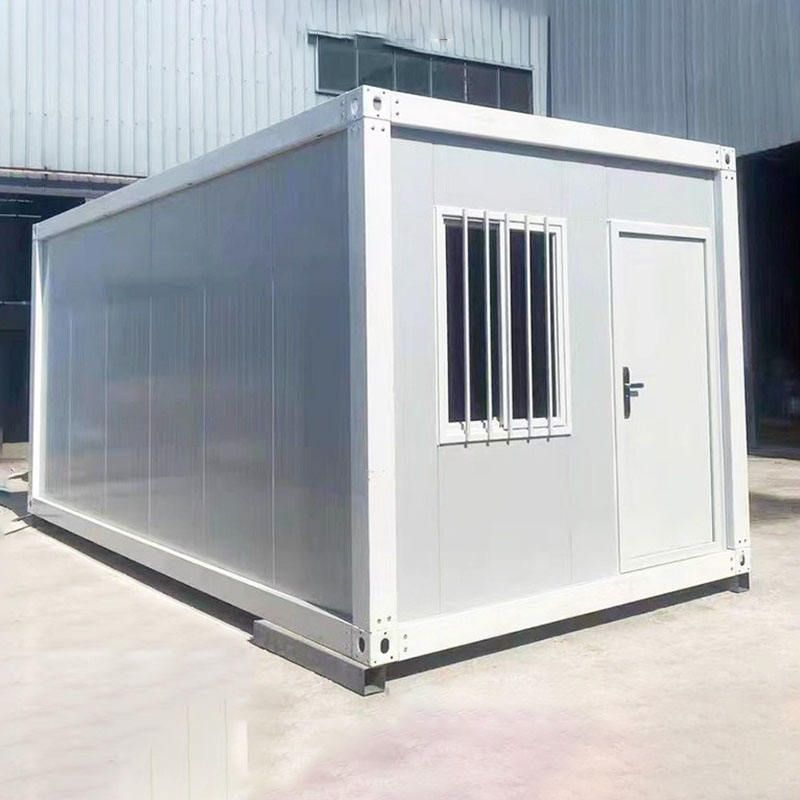
I. Waterproof Design Reduces Leakage Risks Regular mobile toilets typically employ multiple waterproof measures:
- Material Waterproofing: The frames are mostly made of metal or high-strength plastics. Integrally molded materials such as fiberglass-reinforced plastic, stainless steel, and HDPE have inherent impermeability, effectively blocking rainwater intrusion.
- Structural Waterproofing: Sealants are used to fill gaps, and rain eaves are designed to guide rainwater away. Some models are equipped with sloped roofs or drainage channels to reduce the possibility of water accumulation.
- Drainage System: Drainage ports are set at the bottom or sides, and the design takes into account the terrain to ensure rapid drainage of rainwater.
II. Main Causes of Leakage
- Improper Maintenance:
- Drainage Port Blockage: Accumulation of debris such as fallen leaves and mud can lead to water backup and flooding.
- Seal Failure: Aging and cracking of sealants or rubber strips, and wear on door seals can result in water seepage through gaps.
- Extreme Weather Conditions:
- Heavy rainfall intensity exceeds the drainage capacity, or strong winds can overturn rainproof structures.
- Usage Environment:
- Low-lying installation sites can lead to rainwater backup; or temporary simple toilets (e.g., those from non-reputable brands) may have poor material impermeability.
III. Measures to Reduce Leakage
- Regular Maintenance:
- Clean debris from drainage ports, check the condition of sealants, and promptly replace aging components.
- Ensure that door seals, locks, and other components are intact to prevent water seepage due to looseness.
- Scientific Site Selection:
- Install in areas with higher terrain and good drainage, away from low-lying water accumulation points.
- Standardized Usage:
- Avoid stepping on the top or hanging heavy objects to prevent structural deformation.
- If leakage is detected, immediately contact the management personnel, suspend use, and investigate the cause.
IV. Special Case Reminder Temporary simple toilets (e.g., those for event rentals) may have simplified waterproof designs due to cost constraints, resulting in a higher leakage risk compared to fixed regular products. When selecting, users should prioritize examining the manufacturer's qualifications and product test reports, and prefer models that have passed waterproof certifications.
In conclusion, the waterproof performance of mobile toilets depends on design, materials, and maintenance. Under normal usage and with proper maintenance, their waterproof capabilities can meet daily rainy-day needs. However, it is necessary to be vigilant against risks caused by extreme conditions or human negligence.



