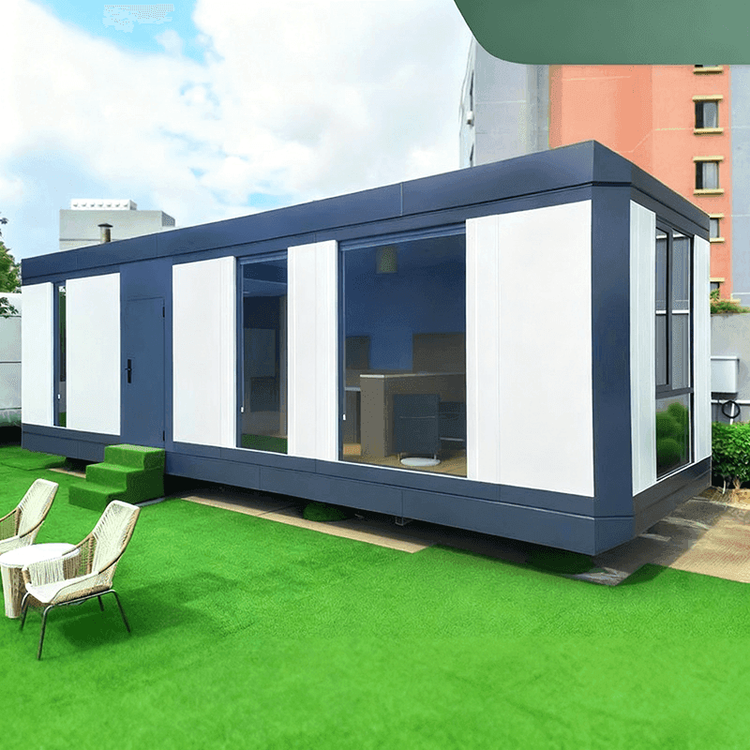
Heshan Concert Portable Toilet
The rental and management of portable toilets for the Heshan concert require comprehensive consideration of various factors, including estimation, transportation, installation, maintenance, and cost control.

I. Preliminary Estimation
The rental party needs to scientifically calculate the number of portable toilet units required and their placement locations based on the expected number of concert attendees, event duration, and venue layout. Typically, 1-2 portable toilets are needed for every 1,000 attendees. If the venue is located in a mountainous area or a temporary setup area, an additional 5%-10% of backup toilet units should be reserved to handle unexpected surges in attendance or equipment failures. For example, if 5,000 attendees are expected, the basic toilet unit requirement would be 5-10, increasing to 6-11 for mountainous venues.
II. Transportation and Installation
Before transportation, it is necessary to confirm the venue entrance dimensions, ground load-bearing capacity, and the flow relationship with other service areas to avoid equipment being unable to enter due to space constraints. It is recommended to sign a contract 3-7 days in advance, specifying delivery time, quantity, cost, and emergency handling terms. Prioritize suppliers with local storage to shorten transportation cycles. After delivery, check the water and electricity connections, flushing systems, and cleanliness to ensure fault-free operation. For example, if the venue's ground load-bearing capacity is insufficient, reinforcement may be needed in advance or lightweight toilet units should be selected.
III. On-Site Management
Additional cleaning staff should be deployed one hour before the performance, during intermissions, and after the event to avoid queue congestion. Equip 2-3 mobile toilets to handle temporary surges in attendance or equipment failures. Regular toilet units should be cleaned every 2 hours, with inspections and paper replenishment every 30 minutes during high traffic periods to ensure hygiene standards are met. For example, during intermissions when attendees concentrate on using the toilets, mobile toilets can be used to divert pressure and reduce queue times.
IV. Cost Control
Opt for a 'rental + cleaning + maintenance' package service and rent in stages to avoid idle waste. Optimize transportation routes using GPS to reduce empty mileage. In northern regions with extremely low outdoor temperatures in winter, toilet units with insulation layers or internal heating options should be used to prevent pipe freezing, although this increases technical complexity and rental costs. For example, if the concert lasts for three days, renting by the day rather than for the entire duration can reduce idle costs.