Mobile Toilet PPT
The PPT content related to mobile toilets mainly covers aspects such as their definition, classification, advantages, and design plans.

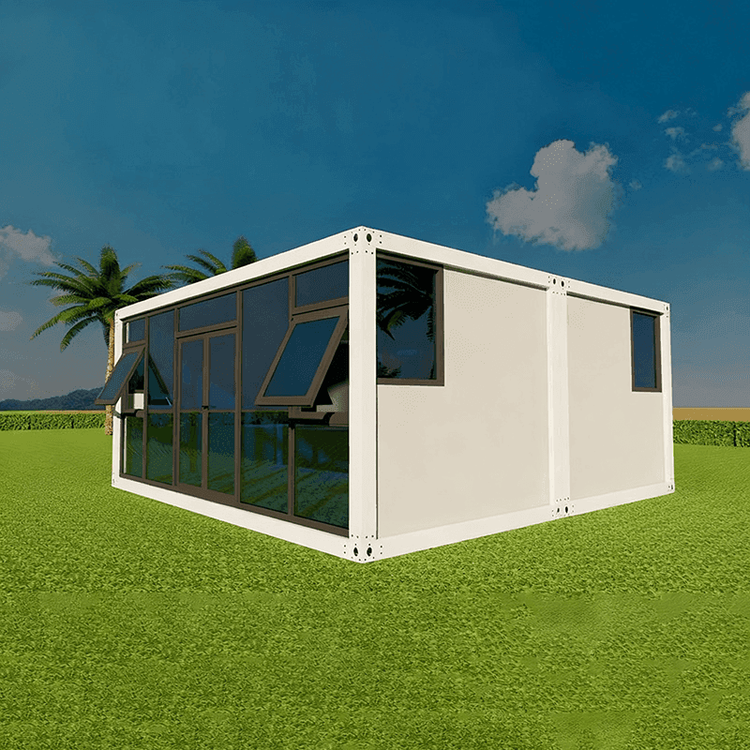
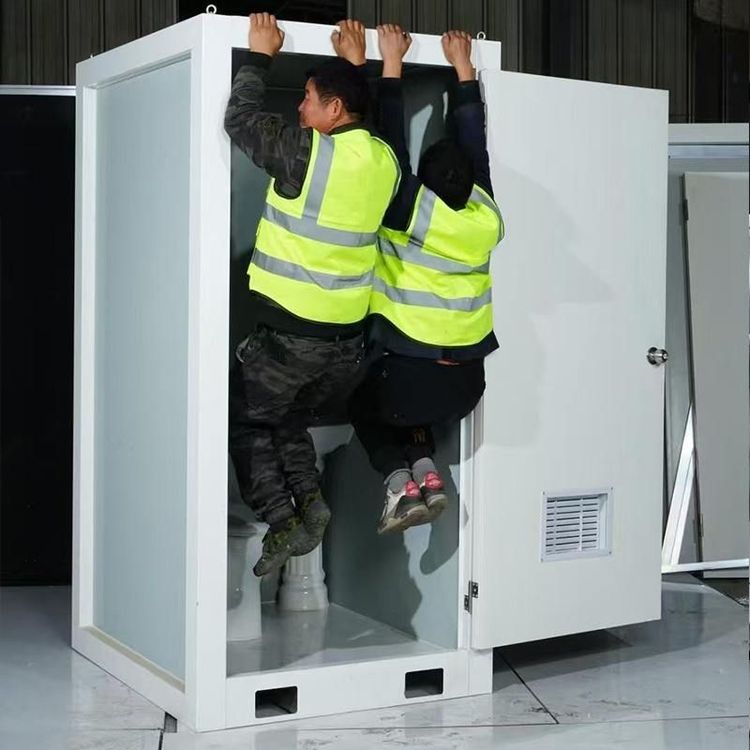
I. Definition and Basic Characteristics of Mobile Toilets Mobile toilets are named for their mobility and offer significant advantages over traditional toilets. They are not restricted by the working environment, feature a lightweight design, and have reasonably matched colors, enabling them to meet the usage needs of various venues. This flexibility makes them widely applicable in temporary events, scenic spots, construction sites, and other scenarios, addressing the issues of fixed installation and difficulty in relocation associated with traditional toilets.
II. Classification Methods of Mobile Toilets Mobile toilets can be classified in multiple dimensions, mainly including the following types:
- Classification by structural form: They can be divided into single-unit and connected types. Single-unit mobile toilets have strong independence and are suitable for scattered placement; connected types achieve scale expansion through modular combinations and are suitable for high-traffic areas.
- Classification by mobility method: They include trailer-mounted, vehicle-mounted, and self-propelled types. Trailer-mounted toilets rely on vehicle traction, vehicle-mounted toilets are directly integrated into transportation vehicles, and self-propelled toilets are equipped with power systems for autonomous movement.
- Classification by usage location: They are divided into scenic spot types, construction site types, emergency types, etc., with functional designs optimized for different scenarios. For example, scenic spot types focus on aesthetics and environmental protection, while construction site types emphasize durability and convenience.
- Classification by sewage treatment method: They include water-flushing, packing, and microbial degradation types. Water-flushing types rely on a water source and have high cleanliness; packing types collect excrement using degradable materials and do not require sewage pipes; microbial degradation types use biotechnology to treat waste and achieve resource recycling.
III. Core Advantages of Mobile Toilets
- Flexibility: They can be quickly deployed and relocated to meet temporary or mobile needs.
- Environmental friendliness: Some types adopt water-saving designs or waterless treatment technologies, reducing their impact on the environment.
- Economy: Compared to traditional toilets, they have lower construction costs, are easier to maintain, and offer significant long-term benefits.
- Aesthetics: They have diverse exterior designs that can harmonize with the surrounding environment and enhance the overall image of the venue.
IV. Design Plan for Mobile Toilets in Scenic Spots The design of mobile toilets in scenic spots should balance functionality with landscape integration. For example, using bionic appearances or natural colors can reduce visual interference with tourists; optimizing the internal layout can improve usage efficiency; and equipping them with intelligent monitoring systems can enable real-time monitoring of usage status and hygiene conditions. In addition, the design plan should also consider details such as barrier-free facilities and ventilation systems to enhance the user experience.