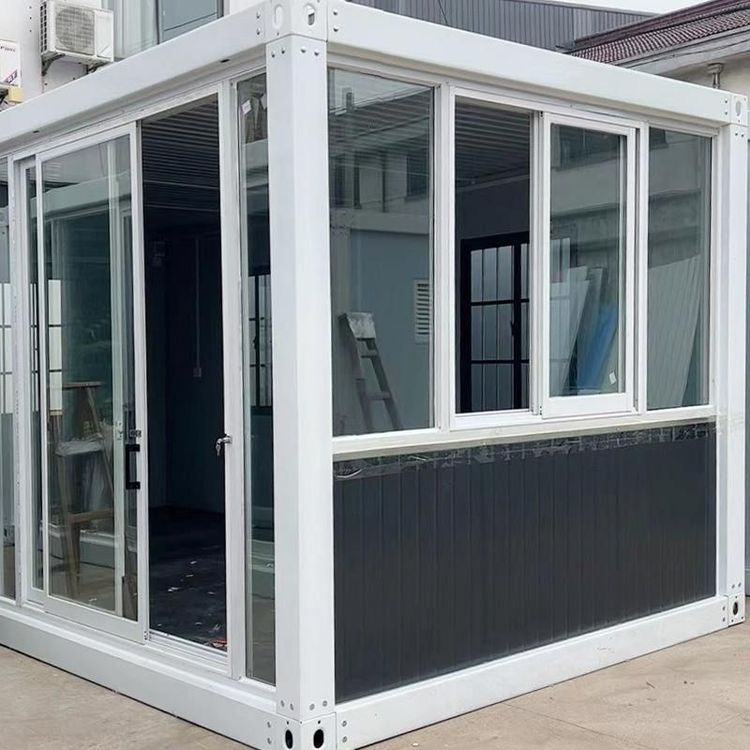
Mobile Toilet Pollution
The pollution issues associated with mobile toilets mainly include water pollution, soil pollution, air pollution, road pollution, and secondary pollution.

Water Pollution: Direct-discharge mobile toilets release waste directly into collection containers or simple pits. This untreated waste contains nutrients like nitrogen and phosphorus, as well as pathogenic microorganisms. When it enters the soil or migrates with rainwater, it can cause localized eutrophication in water bodies, disrupting the aquatic ecosystem balance. For example, excessive nitrogen and phosphorus can lead to algal blooms, which consume oxygen in the water and cause other aquatic organisms to die from hypoxia. Meanwhile, pathogens can spread through soil or groundwater, posing risks to public health.
Soil Pollution: When untreated waste is directly discharged into the soil, harmful substances in it can alter the soil's chemical properties, affecting soil fertility and microbial activity, thereby negatively impacting plant growth and the soil ecosystem.
Air Pollution: The odor problem in mobile toilets is essentially caused by the release of hydrogen sulfide, ammonia, and other gases produced by the decomposition of sulfur- and nitrogen-containing organic compounds under anaerobic conditions. These gases not only affect the surrounding air quality but may also pose health risks to humans, such as causing respiratory discomfort.
Road Pollution: In special circumstances, such as when a mobile toilet falls from a height due to operational errors, plastic toilets may shatter on impact, causing the stored fecal water inside to splash onto the road, resulting in large-scale road pollution. This type of pollution not only affects environmental hygiene but may also pose threats to traffic and pedestrian safety.
Secondary Pollution: Traditional mobile toilets generally rely on water supply and drainage pipes, and their location is constrained by municipal pipe networks. Building them in areas without pipe networks is extremely costly or even impossible, and their operation and maintenance consume significant amounts of water and electricity. If waste is not properly treated, such as being discharged or leaking without sufficient treatment, it can lead to secondary pollution, further exacerbating environmental problems.