Mobile Toilet in House
Mobile toilets used in houses typically refer to portable commodes or indoor mobile toilets, primarily designed to meet the nighttime toilet needs of the elderly, pregnant women, or individuals with mobility issues, avoiding the inconvenience of traveling back and forth to a fixed bathroom.
I. Types of Mobile Toilets in Household Settings
The most common type of mobile toilet in households is the portable commode, which is lightweight and functionally practical. Its core features include:
- Portability: Most products are made of plastic or lightweight metal materials, making them relatively light in weight. Some come with handles or foldable structures for easy movement and storage.
- Load-bearing capacity: The seat and frame are reinforced to withstand the weight of an adult, ensuring safety during use.
- Easy cleaning: The inner bucket is usually detachable, and some products are equipped with splash guards or sealed designs to reduce odor diffusion. Cleaning simply involves removing the inner bucket, emptying the waste, and rinsing.
- Auxiliary functions: Some high-end models include armrests, backrests, or night lights to enhance comfort, especially suitable for the elderly or those recovering from surgery.
II. Adjustment Solutions for Fixed Toilet Positions
If you need to move the position of a fixed toilet in your home, you can use a toilet offset flange to achieve short-distance (10-40 cm) adjustments. However, the following technical considerations should be noted:
- Slope reservation: After relocation, the pipeline should maintain a slope of 1%-2% to ensure smooth drainage and prevent blockages.
- Material selection: The material of the offset flange should match that of the original pipeline (e.g., PVC or cast iron) to avoid leakage caused by material differences.
- Sealing treatment: The connection should be sealed with special glue or sealing rings to prevent odor or sewage leakage.
- Limitations: Relocating the toilet over a long distance (more than 40 cm) may affect drainage efficiency, and it is advisable to consult a professional plumber to assess feasibility.
III. Applicability of Factory-Prefabricated Mobile Toilets
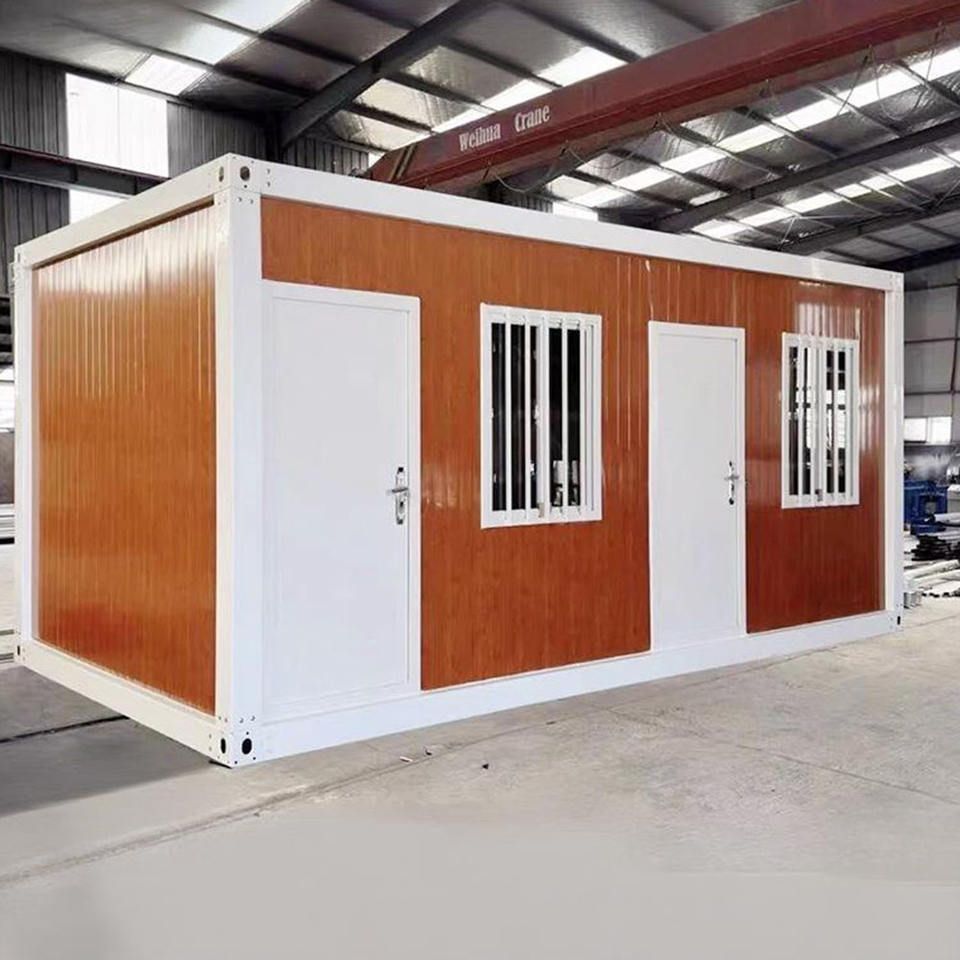
Factory-prefabricated complete mobile toilets (such as container-style toilets commonly found in public places), although movable, are not suitable for indoor household environments. Their structure includes a feces storage tank, walls, a roof, and other components, requiring lifting or towing for transportation. They are relatively large in size (usually 2-6 square meters) and require dedicated space and sewage discharge interfaces for installation, making them more suitable for open scenarios such as train stations and tourist attractions. Using such products in households presents issues such as large space occupation, high costs, and complex maintenance.
Summary: Household mobile toilets are primarily portable commodes, emphasizing portability and easy cleaning; adjusting fixed toilets requires the use of offset flanges and attention to technical specifications; factory-prefabricated mobile toilets are not suitable for ordinary households due to their size and functional limitations.