
Mobile Toilet for Holding Urine
Mobile toilets or emergency devices can serve as temporary solutions when holding urine, but it is important to pay attention to the usage scenarios and operational norms, and seek a fixed toilet as soon as possible to avoid health risks.
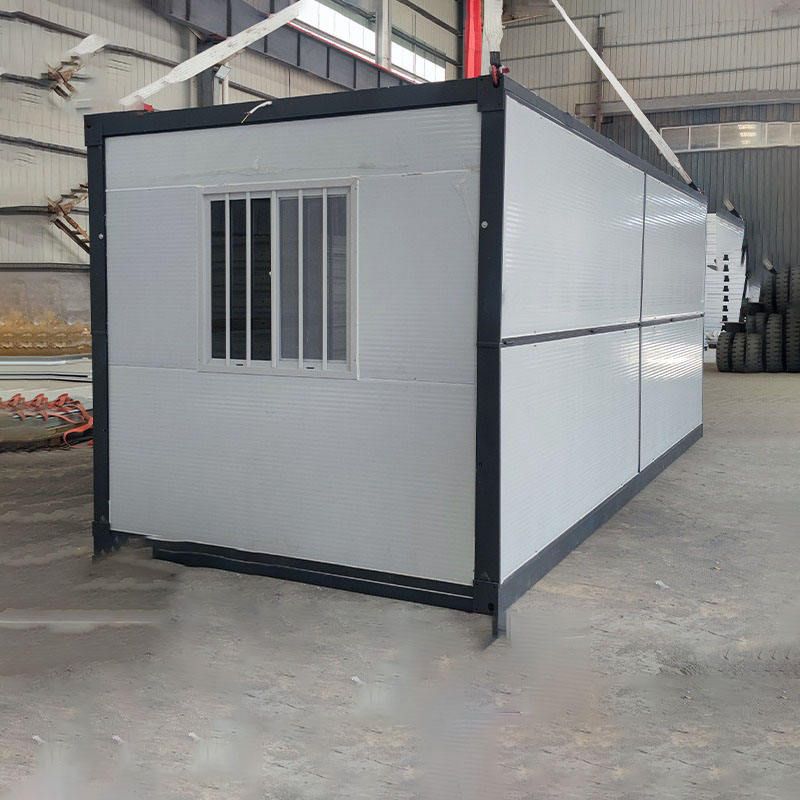
Physical Reactions and Risks When Holding Urine
When holding urine, the continuous filling of the bladder leads to increased abdominal pressure. If one engages in vigorous activities (such as walking or jumping) at this time, it may further compress the bladder, causing discomfort or even leakage. Long-term urine retention can also damage the function of the bladder detrusor muscle and increase the risk of urinary tract infections, so it should be avoided as much as possible.
Applicable Scenarios and Types of Mobile Toilets
- Scenic Area Scenarios: Some scenic areas alleviate the problem of tourists queuing up and holding urine by setting up mobile toilets (such as those temporarily arranged by vendors behind ice chests). For such facilities, attention should be paid to hygiene conditions, and they should be cleaned promptly after use to avoid cross-infections.
- Transportation Scenarios:
- Male-specific Portable Devices: For example, the "Car pool" device connects to a beverage bottle through a retractable tube, allowing male drivers to urinate in the car, suitable for use during highway traffic jams. When using it, the tube should be fixed to prevent liquid spillage.
- Universal Emergency Urine Bags: These adopt absorbent materials (such as polymer compounds) and a sealed design, suitable for both men and women, with a capacity usually exceeding 600 milliliters. During traffic jams, the urine bag can be placed under the seat or beside the car door and sealed and discarded after use.
Core Usage Recommendations
- Minimize Activity First: When holding urine, try to remain still, avoid abdominal exertion, and reduce the risk of leakage.
- Seek a Fixed Toilet Promptly: Mobile toilets or emergency devices are only temporary measures. After use, seek a public toilet as soon as possible to urinate and prevent excessive bladder distension.
- Pay Attention to Hygiene and Safety: When using a mobile toilet, check its stability; ensure the sealability of emergency urine bags to prevent liquid leakage.
- Cultivate Urination Habits: Regularly urinate (every 2-3 hours) in daily life to reduce the frequency of holding urine and protect bladder health.
Summary: Mobile toilets and emergency devices can effectively alleviate the dilemma of holding urine in specific scenarios, but they should be used reasonably in combination with one's physical condition, and finding a fixed toilet should always be the ultimate goal. Long-term reliance on temporary solutions may cause damage to the urinary system and should be taken seriously.



