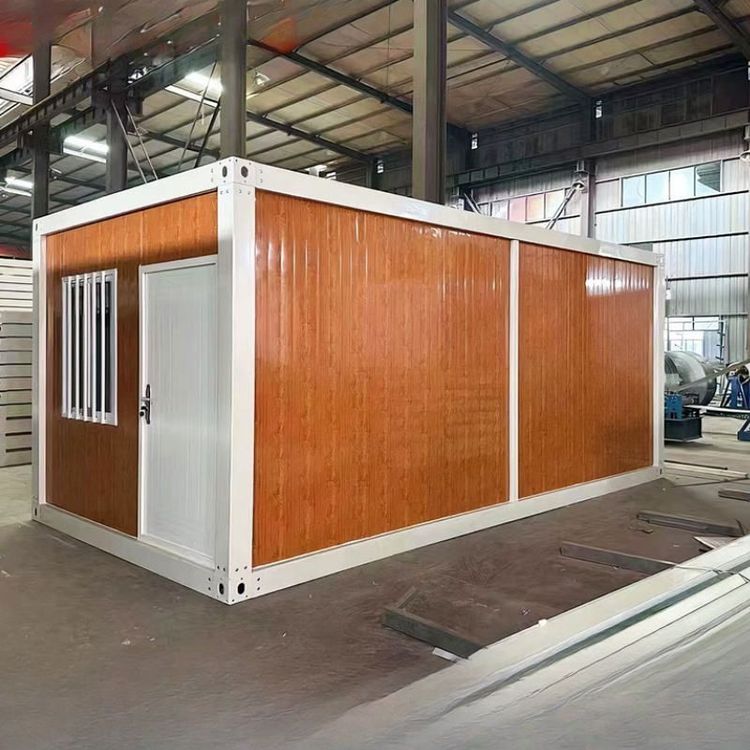
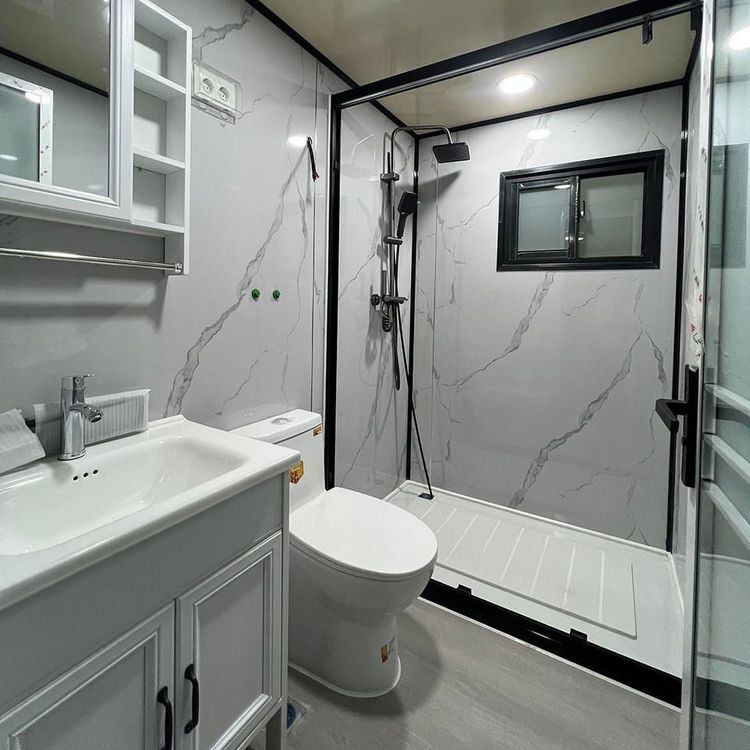
Mobile Toilet for Both Indoor and Outdoor Use
Mobile toilets are designed for both indoor and outdoor use.
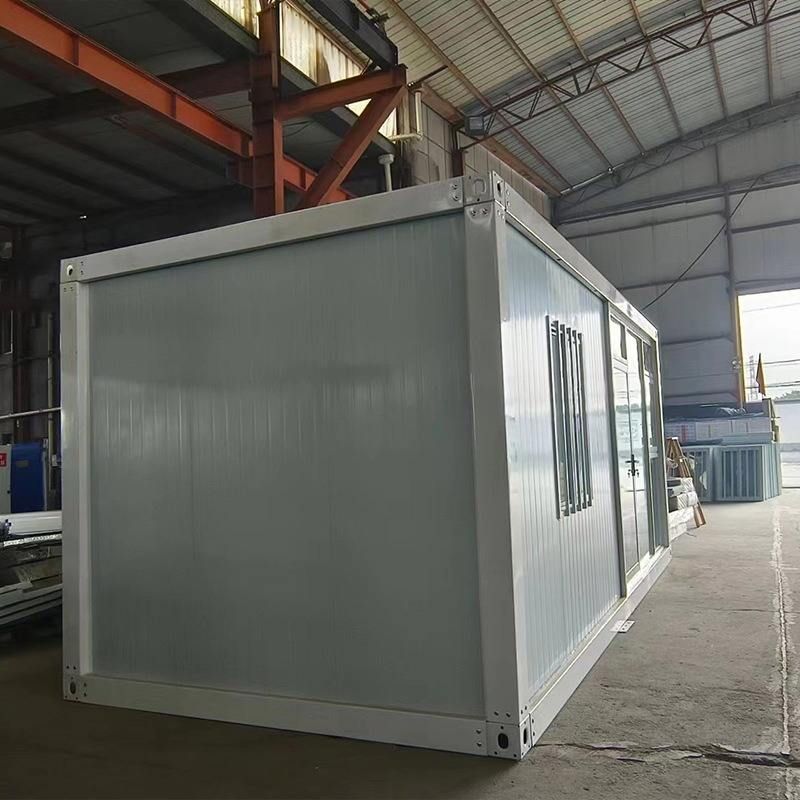
The original intention behind the design of mobile toilets is to meet the toilet service needs of locations or venues with fixed or temporary requirements. Their core advantages lie in flexibility and adaptability. This characteristic enables them to break free from the fixed location constraints of traditional toilets and be rapidly deployed to any place in need through convenient transportation methods, whether it is an indoor or outdoor environment. For example, in rural areas, residents can choose toilets suitable for both indoor and outdoor use, which not only avoids the inconvenience of traveling back and forth to outdoor toilets at night but also allows them to adjust the usage scenario according to actual needs, demonstrating the flexibility of spatial adaptation.
In terms of application scenarios, the versatility of mobile toilets covers a wide range of environmental requirements. During outdoor activities such as music festivals, sports events, or camping sites, mobile toilets can be quickly set up in open areas to address the toilet needs caused by a sudden increase in temporary crowds. On construction sites, they can be relocated along with the progress of the project to ensure that workers have access to them at all times. In tourist attractions, the dispersed placement of mobile toilets optimizes the visitor experience and reduces damage to the natural environment. In indoor settings, such as municipal squares, urban commercial districts, schools, or communities, mobile toilets can serve as temporary supplementary facilities to cope with peak tourist flows during holidays or emergency needs during the maintenance of existing toilets, preventing disorder caused by insufficient toilet resources.
Furthermore, the versatility of mobile toilets is also attributed to the diversity of product types. Mobile toilet companies offer a variety of options ranging from simple to high-end models. For instance, models equipped with independent ventilation systems, sewage treatment devices, or barrier-free facilities can respectively meet the sanitation standards and usage needs of different venues. This modular design further enhances their ability to be used both indoors and outdoors, enabling them to be customized and configured according to site conditions (such as space size, power supply, drainage systems, etc.) to ensure a balance between functionality and practicality.