Portable Toilet for Safety: A Helpful Guide
The safe use of portable toilets (Portable Toilet) requires a combination of functional design, scenario adaptation, and standardized operation. Here are the key guidelines:

I. Core Safety Design Ensures Basic Use
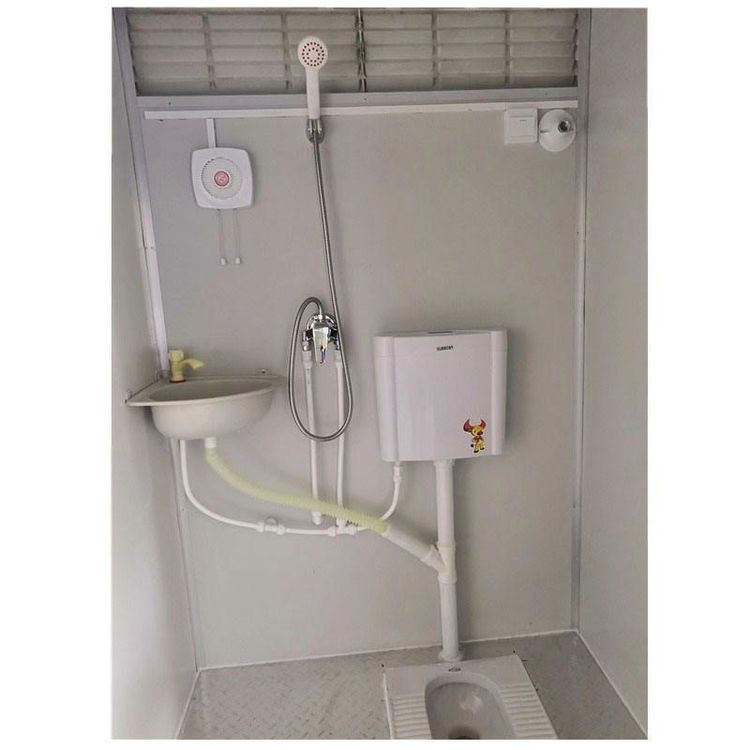
The structural safety of portable toilets is reflected in two aspects: materials and certifications. The main body is composed of a steel frame and sandwich panel (such as plastic or composite materials), ensuring long-term stability in complex environments such as the wilderness and construction sites. For example, products from Suihe factories can adapt to temporary or remote scenarios. Safety certifications are an important reference. Some products are certified by CE and WaterMark, meeting international environmental and safety standards and reducing usage risks. Sanitary protection design is also crucial: The leak-proof flexible silicone deflector has a leak-proof rate exceeding 98%. Paired with an ultra-absorbent resin pack (a single pack can absorb 800 milliliters of urine and lock it into a gel), it effectively prevents odor leakage and environmental pollution.
II. Scenario Adaptation and Safety Advantages
The safety value of portable toilets varies significantly across different scenarios. In wilderness and outdoor activities, their lightweight nature (weight < 200 grams) and temperature resistance (-20°C to 50°C) meet the needs of hiking and camping, reducing the risk of infection from relying on fixed toilets. Professional users (such as geological exploration teams) can work safely with the help of concealed designs. In temporary work and public places, modular design supports rapid assembly, adapting to high-traffic scenarios such as construction sites and disaster emergencies. Customized models are equipped with electrical interfaces and storage space, enhancing convenience across multiple scenarios.
III. Safe Operation and Maintenance Specifications
Usage prohibitions must be strictly followed: Do not bury resin packs on steep slopes, sandy areas, or permafrost layers to prevent ground collapse. Avoid exposing the urine collector to alcohol-based disinfectants to prevent silicone embrittlement. Daily maintenance includes: Rinsing the deflector and air-drying it after each use, checking the bracket rivets monthly. Replace the resin pack immediately if it clumps. With proper maintenance, it can be reused tens of thousands of times. In terms of extreme weather response, use heavy stones to secure the bracket during heavy rain or strong winds to ensure stability.
IV. Dual Benefits of Environmental Protection and Health
Portable toilets comply with the Leave No Trace principle: The processed gel-like resin packs can be buried in the soil and decomposed by microorganisms within two weeks without disrupting soil pH balance. From a health perspective, they reduce the risk of kidney stones caused by holding urine (such as in self-driving scenarios) and the hazards of drowsy driving, while also lowering the probability of infection from dirty public toilets. Note that these devices are not suitable for medical incontinence patients and only serve healthy adults for voluntary urination.