
Detailed Introduction to Mobile Toilets
Mobile toilets are facilities that can be moved as a whole and provide toilet services to the public. They are suitable for various locations and possess multiple characteristics and technological types.
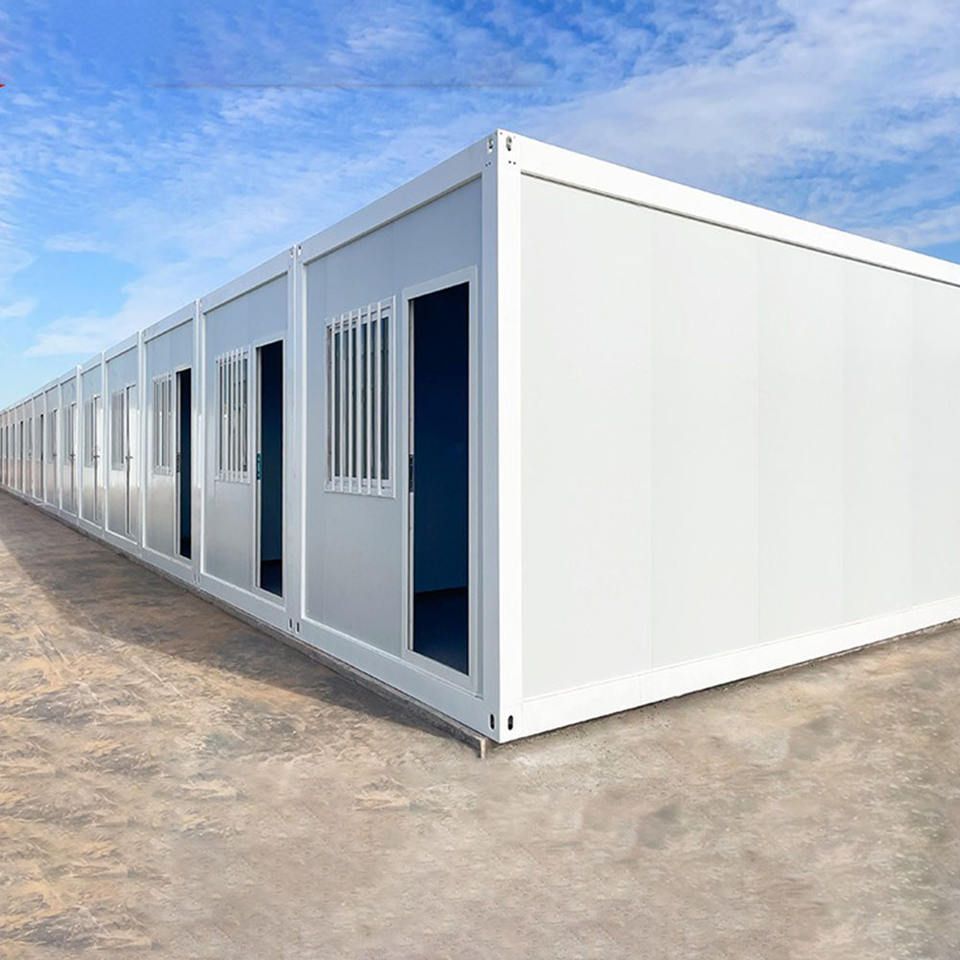
Suitable Locations
Mobile toilets are suitable for stations, docks, tourist attractions, villa areas, newly built residential communities, large construction sites, squares, densely populated public places, and bustling commercial streets, meeting people's toilet needs in different scenarios.
Characteristics in Cold Regions
To adapt to the cold weather in the north, mobile toilets have undergone targeted design modifications. The interior of the walls is insulated to reduce heat loss. The entrance doors are made of thickened titanium-magnesium alloy doors, equipped with special locks indicating whether the toilet is occupied or not, ensuring both safety and enhanced insulation. They are also equipped with 304 stainless steel squat toilets and PE energy-saving water tanks to ensure normal operation in low-temperature environments.
Characteristics of Mobile Environmental Protection Public Toilets
- Water-saving technology: Designed based on new materials and water-saving technology, they automatically collect hand-washing water and add special agents, achieving a flushing effect with only 0.46 liters of water per person.
- Framework and materials: The framework is welded from national standard steel, with the surface covered with anti-corrosion and fire-resistant materials such as color-coated steel plates or carved panels, ensuring a service life of over 20 years.
- Internal configuration: They feature an independent toilet pit partition treatment system, equipped with standard configurations such as non-slip floors, automatic flushing toilet bowls, and ventilation and lighting systems. Optional configurations include air conditioners (both heating and cooling) and air purifiers.
- Technological types: According to sewage treatment methods, they can be classified into water-flush and waterless suction types, circulating water-flush types, and dry packing types. Other common types include foam sealing types and packing types.
- Structural characteristics: The exterior wall materials are diverse, and the main structure is welded from national standard light steel keels, meeting the requirements for overall hoisting. They adopt intelligent control systems and insulation systems, equipped with upper and lower water tanks, mostly using environmentally friendly panel materials, occupying a small area, and being reusable.
Historical Evolution
During the third public toilet revolution, mobile public toilets emerged, with materials gradually evolving from wood to fiberglass and polyethylene. The fourth public toilet revolution saw the appearance of reclaimed water public toilets, with ecological public toilets becoming a hot topic.
Product Forms and Applications
Product forms have expanded to include trailer-mounted and box-type substation cabinet types, with applications covering public places such as scenic spots, service areas, and rural areas. The industrial chain involves production enterprises in multiple regions, providing diversified solutions.
You may also like

Portable Toilet for Energy Efficiency Solutions: A Buying Guide
Read More
Container House Custom Explained: How to Choose the Right One
Read More
Portable Toilet Design Custom & OEM: Design & Bulk Production Guide
Read More