
Converting a Mobile Toilet into a Kitchen: Not Recommended
It is not advisable to convert a mobile toilet into a kitchen for the following reasons:
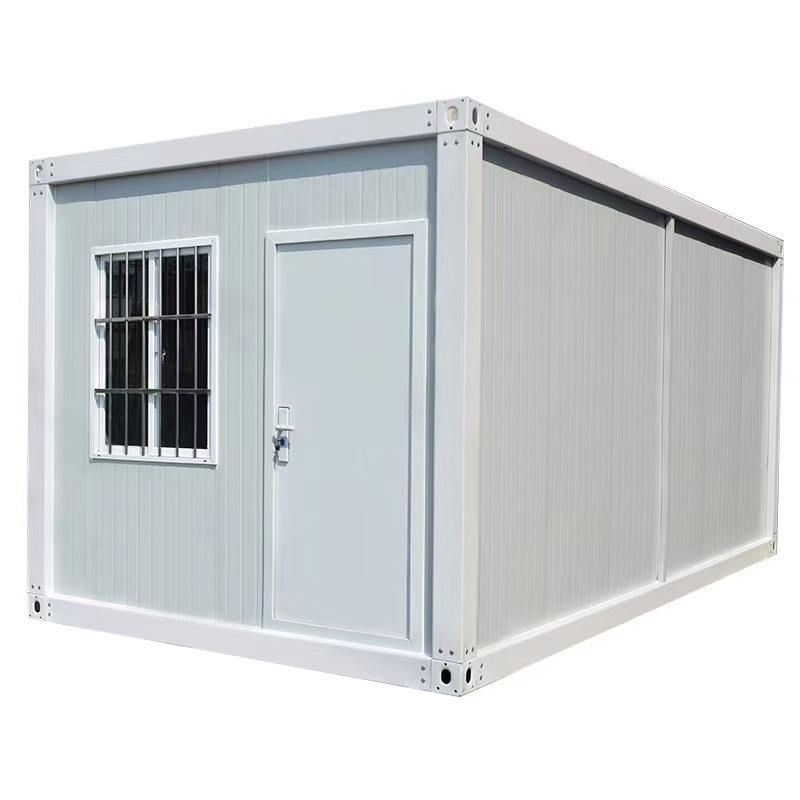
I. Legal and Regulatory Restrictions
According to Article 272 of the Civil Code, property owners must not exercise their rights in a way that endangers building safety or infringes upon the legitimate rights and interests of other owners. The Residential Design Code (GB50096-2011) explicitly states that 'bathrooms should not be directly located above kitchens, dining areas, or other spaces in lower-level residences,' and this clause is mandatory and must be strictly enforced. Unauthorized renovations may result in legal disputes or orders for rectification.
II. Complex Plumbing System Renovations
- Water Supply System: Some residential areas use reclaimed water systems, where the water used for flushing toilets is not potable. If converted into a kitchen, new pipes meeting drinking water standards must be installed, which is costly and may damage the existing structure.
- Drainage System: Bathroom drainage pipes are thicker and lead directly to septic tanks, while kitchen drainage pipes are thinner and require connection to grease traps. Renovations involve adjusting pipe routes, potentially requiring holes to be drilled through floors, which is difficult to execute and prone to causing leaks.
- Gas Ventilation: Kitchens require dedicated exhaust ducts for smoke removal, whereas bathrooms typically lack independent ventilation pipes. Connecting a range hood's exhaust pipe to a bathroom vent may cause smoke backflow or odor diffusion.
- Gas Piping: Gas pipes are only permitted to be installed within kitchens, and the main pipe must not be altered or covered. Renovations must be carried out by professionals from the gas company. If the kitchen does not use gas, this point may be overlooked, but overall renovations still require coordination and approval from multiple departments.
III. Poor Practical User Experience
After renovation, noise or odors from upstairs bathrooms may affect the cooking experience. If the waterproofing in upstairs bathrooms fails, leaks may directly contaminate the kitchen area, causing property damage and hygiene issues.
IV. Hygiene and Health Risks
The plumbing system in toilets is in long-term contact with excrement and may harbor bacteria, viruses, or mold. Even after thorough cleaning and disinfection, the inner walls of the pipes may still pose a risk of microbial contamination. When converted into a kitchen, these pathogens may spread through the air or contact, endangering food safety and human health.
V. Feng Shui Perspective
Traditional Feng Shui considers toilets as 'downward water' and 'unclean spaces,' while kitchens are seen as 'upward water' and 'spaces of prosperity.' Their opposing functions disrupt the 'balance of water and fire.' Additionally, in multi-story residences, if a kitchen is surrounded by bathrooms on the upper and lower floors, it forms a 'sandwich' pattern, which is believed to be unfavorable for family fortune.



