Mobile Toilet Container
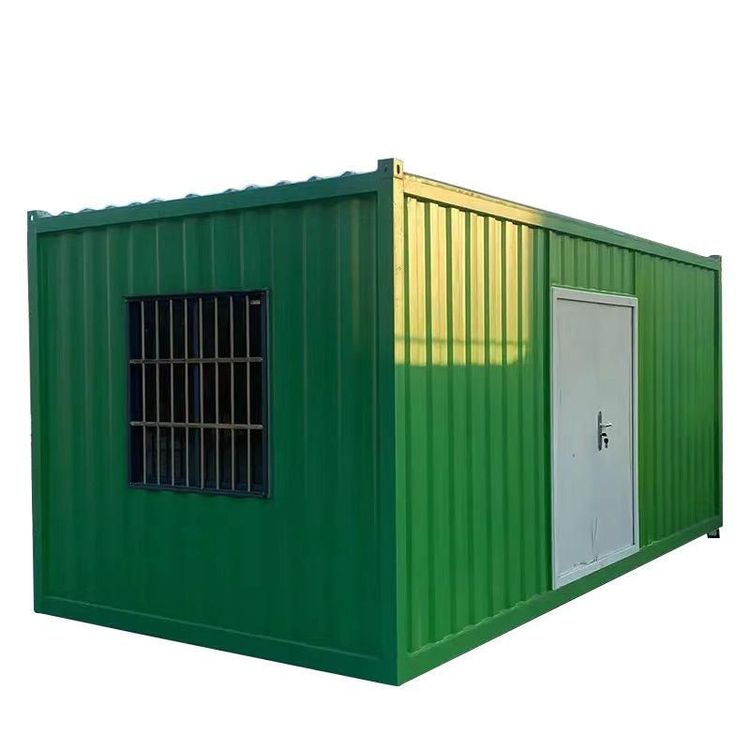
A mobile toilet container is a mobile sanitation facility transformed from a standard shipping container, featuring convenient transportation and installation, reusable mobility, and significant environmental protection and energy-saving characteristics.

Structural and Material Characteristics
The frame of a mobile toilet container typically employs welded steel structures, which offer high strength and good stability, enabling it to withstand various external forces during transportation and long-term use. To extend its service life, the frame surface undergoes anti-corrosion treatment, effectively resisting erosion from environmental factors such as moisture and corrosion. The wall panels are made of insulated sandwich panels, which provide excellent thermal insulation properties, reducing the impact of external temperatures on the toilet's internal environment while also offering some sound insulation. Additionally, the building materials are recyclable and degradable, aligning with environmental protection concepts and reducing the environmental burden.
Internal Facilities and Functions
Different models of mobile toilet containers vary in their internal facilities, but all have basic functionalities. For example, some popular internet-famous container mobile toilets feature six squatting positions for both men and women, covering an area of 18 square meters, and are equipped with a public handwashing area. The toilet compartments are equipped with urinals and independent squatting positions, with all necessary sanitary fixtures and water and electricity supplies to meet basic user needs. Another model of container mobile toilet measures 6.5 meters in length, 3.5 meters in width, and 3.1 meters in height, featuring six squatting positions, three urinals, and two handwashing basins. It is fully equipped with water and electricity supplies, lights, and exhaust fans, and can be moved as a whole, making it highly suitable for use in scenic spots or parks. Some models also adopt technologies such as wet microbial treatment, where the treated water quality meets the standards for reclaimed water reuse and can be used for green irrigation, achieving water resource recycling and further demonstrating their environmental protection and energy-saving characteristics.
Construction Considerations
When constructing a container mobile toilet, the choice of toilet fixtures is crucial. It is recommended to use stainless steel squatting toilets specifically designed for containers rather than ceramic squatting toilets. This is because ceramic materials are fragile and prone to breakage and leakage during transportation, which can not only affect the normal use of the toilet but also pose safety hazards. In contrast, stainless steel squatting toilets are sturdy, durable, and less likely to be damaged, making them more suitable for use in mobile toilets.