Hotel Mobile Toilet
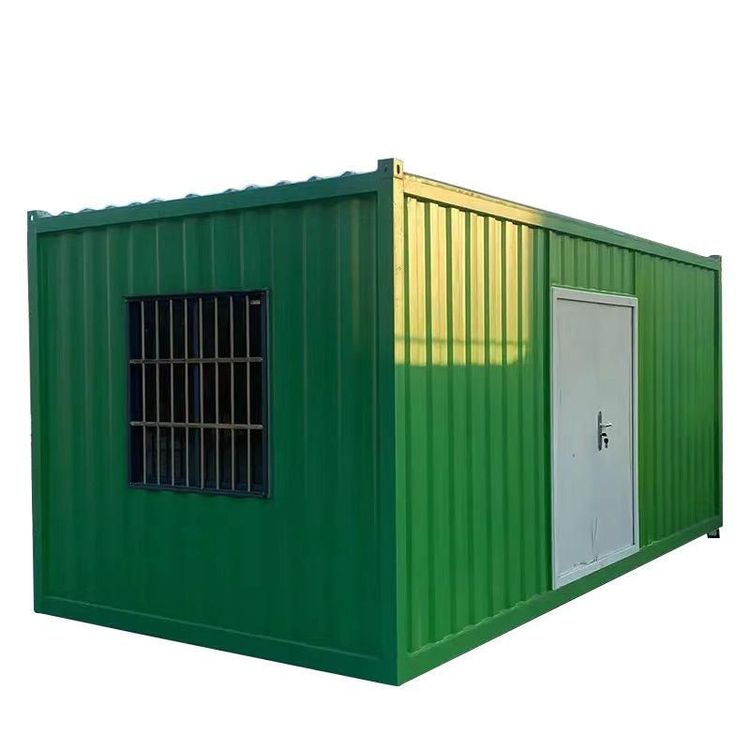
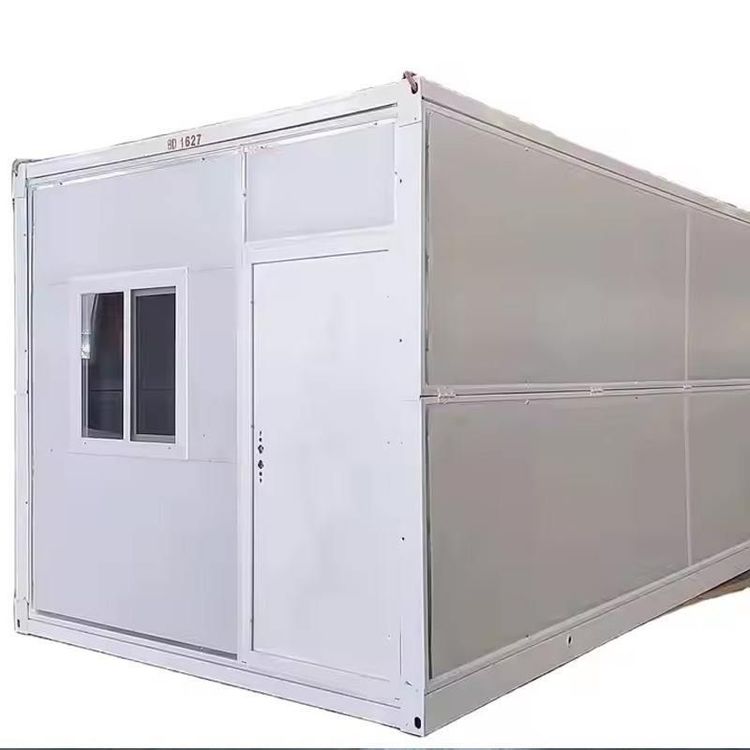
Hotel mobile toilets are independent sanitary units featuring modular design, enabling rapid installation and relocation. They combine functionality and flexibility, making them suitable for renovation upgrades and temporary scenarios.

Structural and Functional Features
The core of mobile toilets is modular construction. Facilities such as shower areas, sinks, and toilets undergo pipeline connections and waterproofing in factories before being transported as finished products for on-site installation. Their structures often utilize lightweight, high-strength composite materials. Internally, they are equipped with water-saving flushing systems, silent fresh air devices with ventilation systems linked to humidity-sensing switches, as well as non-slip glazed tile floors and safety handrails. Storage space is achieved through built-in niches or mirror cabinets, saving space and preventing bumps. The decorative style can match the overall design of the hotel, such as stone-textured wall panels or wooden elements, balancing practicality and aesthetics.
Application Advantages
For hotel operators, mobile toilets significantly reduce renovation costs and cycles. Traditional bathroom renovations require wall demolition and pipeline repaving, leading to long-term room outages. In contrast, mobile units can be quickly replaced through hoisting or splicing, minimizing the impact of construction on operations and ensuring revenue stability. For old buildings where structural limitations prevent bathroom expansion, mobile designs can optimize layouts to add barrier-free facilities or dry-wet separation areas, achieving functional upgrades. Additionally, the modular structure facilitates later maintenance, allowing targeted handling of pipeline issues and avoiding extensive wall chiseling for repairs.
Technical Implementation and Environmental Characteristics
The water supply and drainage system uses flexible pipeline connections. Water supply is connected to the main pipeline through quick-connect interfaces, and sewage is collected into a centralized treatment system through sealed pipelines. To enhance water-saving performance, most products integrate low-flow aerators and water circulation devices, saving about 30% more water than traditional bathrooms. Some solutions incorporate heat recovery modules, using the residual heat from shower wastewater to preheat cold water, reducing energy consumption. Lightweight materials reduce transportation carbon emissions, and standardized production controls raw material waste, aligning with green building concepts.
Suitable Scenarios
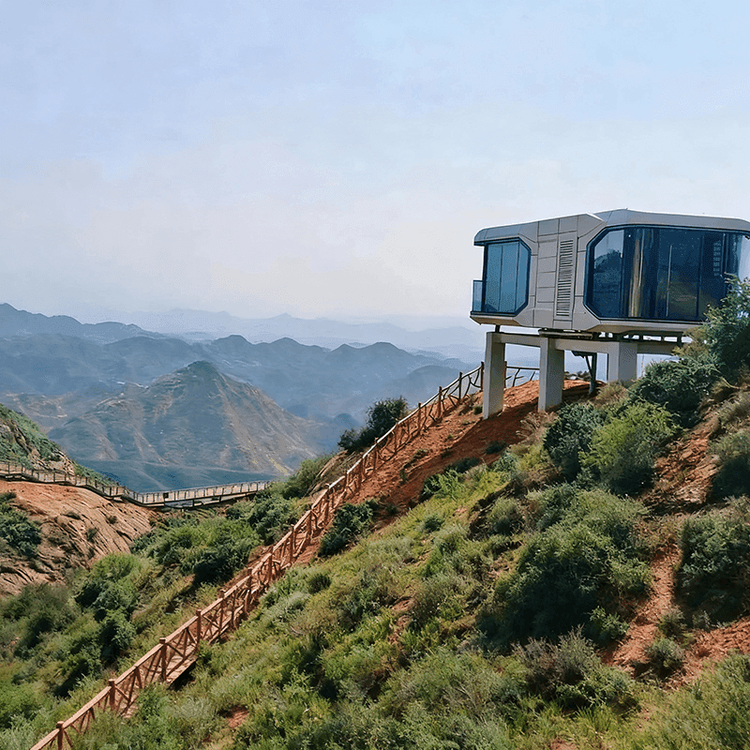
In addition to hotel room renovations, mobile toilets are widely used in vacation homes, temporary reception centers, and other scenarios. They are particularly suitable for boutique hotels renovated from historical buildings, meeting modern sanitary needs while protecting the original structure. Their movable and combinable characteristics make them ideal choices for temporary events or emergencies.