Mobile Toilet Configuration List
The configuration list for mobile toilets varies depending on the scenario and requirements, with common configurations divided into five categories: basic sanitation facilities, special scenario configurations, sanitation and cleaning configurations, additional function configurations, and safety and supporting services.

Basic sanitation facility configurations are the core functional modules of mobile toilets. Toilets typically use a flushing design, with high-end models equipped with vacuum flushing systems to reduce water consumption. Washbasins come standard with faucets and soap dispensers, with some models adding mirrors and storage shelves for added convenience. Lighting and ventilation systems ensure internal brightness and air circulation through built-in LED lights and exhaust fans. The flushing system relies on batteries or external power sources, with some models equipped with emergency manual flushing devices to ensure normal operation during power outages.
Special configurations for different scenarios require targeted adjustments. For ordinary events (such as exhibitions and weddings), fragrance systems and anti-slip floor tiles may be added to enhance the user experience. Construction sites, due to high usage frequency, often come with larger-capacity water tanks or additional squat toilet options. Premium packages for outdoor music festivals may provide independent units with compartments, complete with toilet paper and hand soap as standard. In scenic spots or public areas, the men's restroom area typically includes three urinals and three independent squat toilets, with washbasins designed as open marble under-counter basins for both practicality and aesthetics.
Sanitation and cleaning configurations directly affect hygiene levels. Cleaning supplies typically include toilet paper, hand soap (or liquid soap), and paper towels, with high-end configurations upgraded to hand dryers to reduce paper consumption. Deodorization systems reduce odors through built-in deodorization devices, fragrance boxes, or activated carbon filtration technology. Some products are also equipped with ultraviolet disinfection lamps for regular sterilization of the internal space.
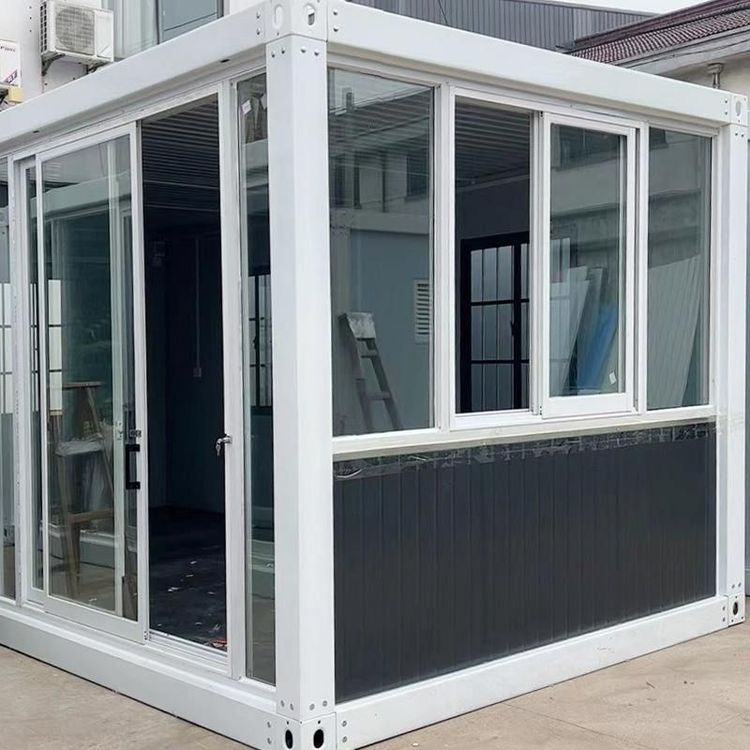
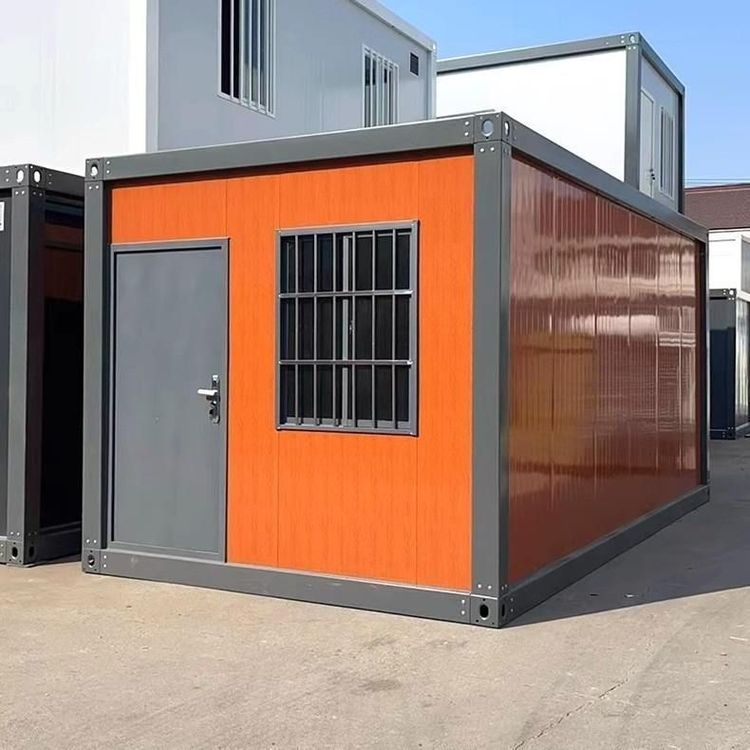
Additional function configurations reflect humanized design. Accessibility facilities cater to the needs of special populations, providing toilets with handrails, anti-slip floors, and emergency call buttons. Emergency functions include fire extinguishers, emergency lights, and winter insulation devices to ensure safe use. The exterior design is primarily white or metallic, with some companies supporting customized logos or patterns to meet brand promotion needs.
Safety and supporting services are guarantees for long-term use. Cleaning services typically require at least two daily visits to ensure internal and external hygiene. Sewage disposal is managed through regular pumping or leasing of septic tanks to prevent overflow. Emergency maintenance teams can quickly respond to equipment failures. Environmental adaptation services address seasonal changes, providing insulation in winter and adding sunshades in summer to extend the equipment's service life.