Mobile Toilet Base
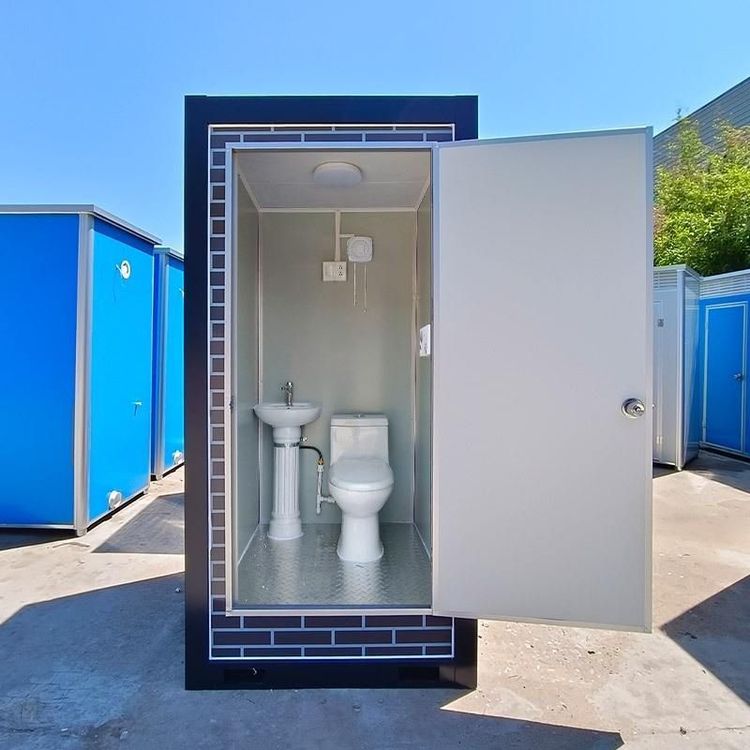
The types and characteristics of mobile toilet bases are as follows:

The selection and installation method of mobile toilet bases should be determined based on specific needs and scenarios, mainly divided into two types: cement bases and cement-free bases.
Cement bases are a common choice for easily installed toilets, with their core function being to provide stable support for the toilet. During installation, it is necessary to ensure that the horizontal error of the base does not exceed 3mm, a requirement stemming from considerations of the overall stability of the toilet. If the horizontal error is too large, it may lead to uneven force distribution on the toilet structure, resulting in issues such as tilting and cracking after long-term use, and even affecting safety. The laying method of cement bases needs to be adjusted according to the soil bearing capacity. For example, in soft soil foundations, the bearing capacity should be improved by deepening the foundation or reinforcing it to avoid damage to the base due to foundation settlement.
Cement-free bases, represented by 304 stainless steel integrated base squat toilets, break through traditional fixed patterns in design. This type of base adopts an integrated seamless process, with high material strength and corrosion resistance, capable of withstanding frequent transportation and complex environmental challenges. Its core advantage lies in installation convenience—no on-site cement pouring is required, and installation can be completed simply by fixing it with bolts, significantly shortening the construction period. Additionally, the integrated structure eliminates splicing gaps, reducing the risk of dirt accumulation and bacterial growth. Combined with deodorizers and trap designs, it can effectively block the spread of odors and improve hygiene performance. Such bases are particularly suitable for modular mobile public toilet projects in construction sites, scenic spots, etc. Their quick disassembly and assembly characteristics can meet temporary or mobile needs, while their transportation resistance reduces the risk of damage during transportation.
The selection of the two types of bases requires a comprehensive assessment of usage scenarios, costs, and maintenance needs. Cement bases have lower costs but longer construction periods, making them suitable for places with long-term fixed use. Although cement-free bases have higher initial investments, their installation efficiency and hygiene performance are superior, making them more suitable for projects with high requirements for flexibility and hygiene standards.