
Mobile Toilet Antifreeze Water Pipe
Measures such as wrapping for insulation, dripping water to prevent freezing, draining stored water, environmental insulation, and installing heating equipment can be taken for the antifreeze water pipes of mobile toilets. Details are as follows:
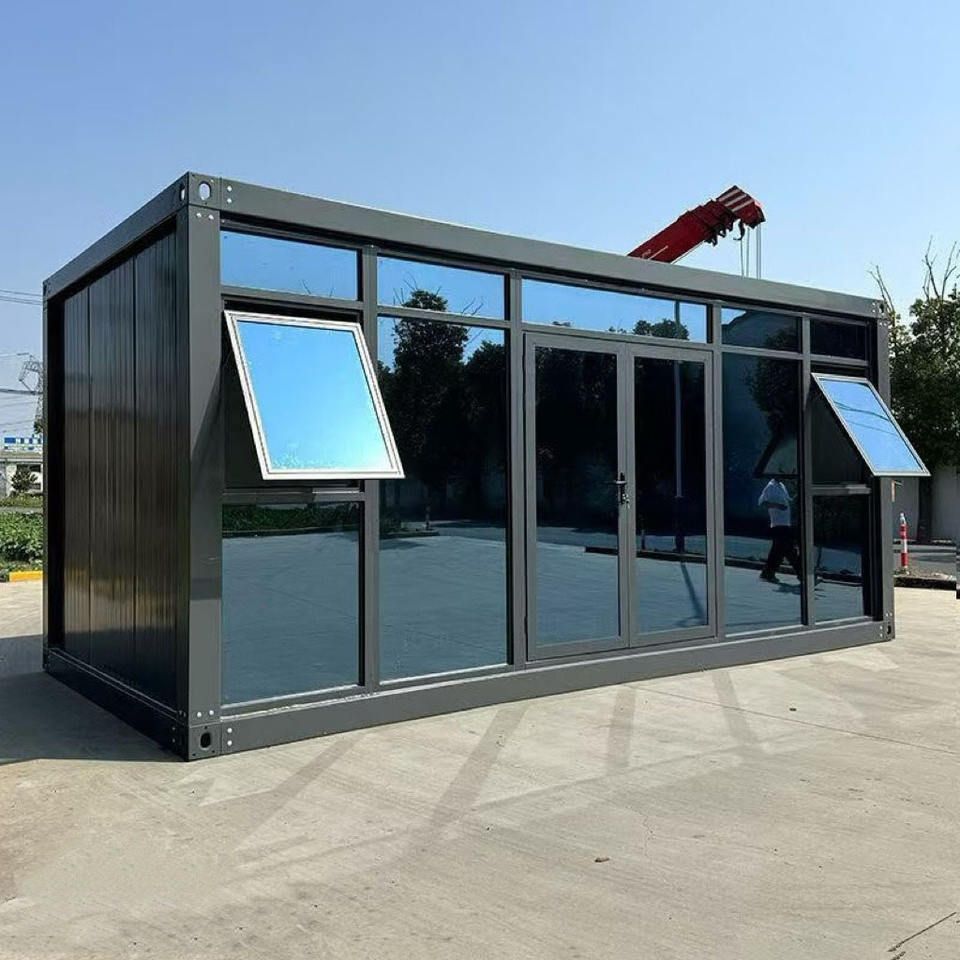
Wrapping for insulation: For components such as water pipes and faucets exposed outdoors, appropriate insulation materials should be tightly wrapped around them. Cotton and linen fabrics, foam plastics, old clothes, etc., are common insulation materials that can effectively reduce heat loss. When wrapping, special attention should be paid to the protection of joints, as these are often the key points of heat loss. After wrapping, an additional layer of waterproof plastic cloth can be added on the outside to both prevent moisture and enhance the insulation effect.
Dripping water to prevent freezing: When the temperature drops below 0°C, the faucet can be turned to a fine stream state at night, allowing water to drip continuously like a thin thread. This keeps the water in the pipes flowing, thereby preventing the pipes from freezing due to stagnant water. The dripped water can be collected in containers for daily use such as washing up, saving water while achieving the goal of antifreeze.
Draining stored water: If the mobile toilet is not in use for a long time, the main water valve should be closed, and the faucet should be opened to drain the stored water in the pipes. For users of solar water heaters, it is even more necessary to drain the accumulated water in the water pipes in advance to prevent the pipes from freezing and cracking.
Environmental insulation: Keeping the doors and windows of the restroom closed reduces the entry of cold air and helps maintain the indoor temperature above 0°C. In addition, insulation materials such as straw mats can be placed inside the restroom to further enhance the insulation effect.
Installing heating equipment: Auxiliary heating equipment that can be wrapped around water pipes can be installed. Such equipment can automatically heat up when the temperature drops below minus 2 degrees Celsius, effectively preventing the pipes from freezing. Some mobile toilets are also equipped with radiators, which provide heating to ensure that the water pipes do not freeze. Additionally, wrapping the upper and lower water pipes with heating wires, covering them with moisture-proof film, and then adding insulation pipes is also an effective antifreeze method.



