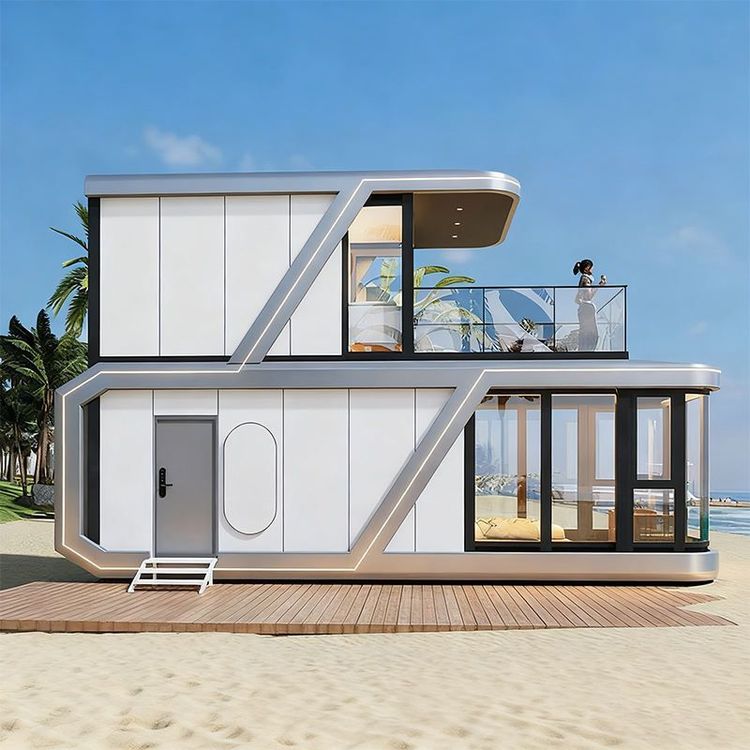
Mobile Toilet Accessories Images
Although images cannot be provided directly, a detailed introduction to the common types and characteristics of mobile toilet accessories is available.

Mobile toilets are equipped with a wide range of accessories, which can be categorized by function into structural support, sanitation treatment, ventilation and lighting, and auxiliary functions. Here is a detailed explanation:
Structural Support
1. Frame and Shell
The main frame of a mobile toilet is typically made of high-strength steel or aluminum alloy, ensuring overall structural stability and durability. The shell materials are mostly fiberglass, stainless steel, or engineering plastics, which are waterproof, corrosion-resistant, and easy to clean. For example, fiberglass shells are lightweight and corrosion-resistant, suitable for long-term outdoor use; stainless steel shells are more upscale, suitable for scenic spots or commercial venues.
2. Connectors and Fixing Devices
These include hinges, latches, bolts, etc., used to assemble components and secure their positions. These accessories need to have high strength and anti-aging properties to withstand frequent movement or harsh environments. For example, stainless steel hinges prevent rust, ensuring smooth opening and closing of the door; anti-loosening bolts prevent components from loosening during transportation.
Sanitation Treatment
1. Toilets and Sewage Systems
Toilets come in two types: squat toilets and sit toilets, mostly made of ceramic or stainless steel. Sewage systems include direct discharge, packaging, and biodegradation types:
- Direct discharge systems require connection to underground sewage networks, suitable for fixed locations;
- Packaging systems collect waste in biodegradable plastic bags for easy disposal;
- Biodegradation systems use microorganisms to decompose waste, being eco-friendly and requiring less frequent cleaning.
2. Waste Storage Tanks and Water Tanks
Waste storage tanks are used to store waste and need to be corrosion-resistant and well-sealed; water tanks provide water for flushing, with some mobile toilets equipped with water-saving flushing devices to reduce water consumption.
Ventilation and Lighting
1. Exhaust Fans and Ventilation Openings
Exhaust fans quickly remove odors, keeping the interior air fresh; ventilation openings assist in air exchange through natural convection, with designs considering rain and insect protection.
2. Lighting Equipment
LED lights are commonly used, being energy-efficient and having a long lifespan. Some mobile toilets are also equipped with emergency lighting systems to ensure normal use during power outages.
Auxiliary Functions
1. Handrails and Non-slip Floors
Handrails provide support for the elderly or those with mobility issues; non-slip floors are made of special materials or textures to prevent slipping on wet surfaces.
2. Signage and Decorative Elements
Signage is used to label functional areas or instructions; decorative elements such as stickers and paintings enhance aesthetics, adapting to different scenarios.