Mobile Home Toilet
Mobile home toilets mainly have the following three types based on usage scenarios and needs:

Household Portable Toilet Seats: Primarily designed for in-home use, these are especially suitable for families with elderly members, pregnant women, or individuals with mobility issues. The core structure is an independent toilet seat, made of high-strength materials to ensure load-bearing capacity. The toilet bucket is 20%-30% deeper than that of a standard toilet seat, and it comes with a non-slip handle and a sealed lid. The sealed lid effectively isolates odors, while the handle facilitates easy emptying and cleaning. Some high-end models are also equipped with soft cushions and armrests to enhance comfort. These products are compact and can be flexibly placed in the corners of bedrooms or living rooms without the need for connection to water supply and drainage systems, making them ideal for renovating old residences without independent bathrooms.
Rural Household Portable Small Bathrooms: These are semi-fixed building facilities with a main frame made of galvanized steel pipes or high-density polyethylene (HDPE) plastic. The wall materials include color-coated steel plates, metal carved panels, or PVC panels. Internally, they are equipped with squat toilets, flush tanks, and simple shower units, with some models integrating electric water heaters. Installation requires two key conditions: the site should be more than 30 meters away from water sources to prevent contamination, and the terrain should be higher than the surrounding area to ensure smooth drainage. The installation process requires two people to collaborate, with foundation construction (such as ground hardening) taking about 4 hours and main assembly taking 2-3 hours. The price range varies widely, with basic models (including only squat toilets and flushing) costing around 400-800 yuan, and luxury models equipped with showers and electric heating reaching 5000-6000 yuan.
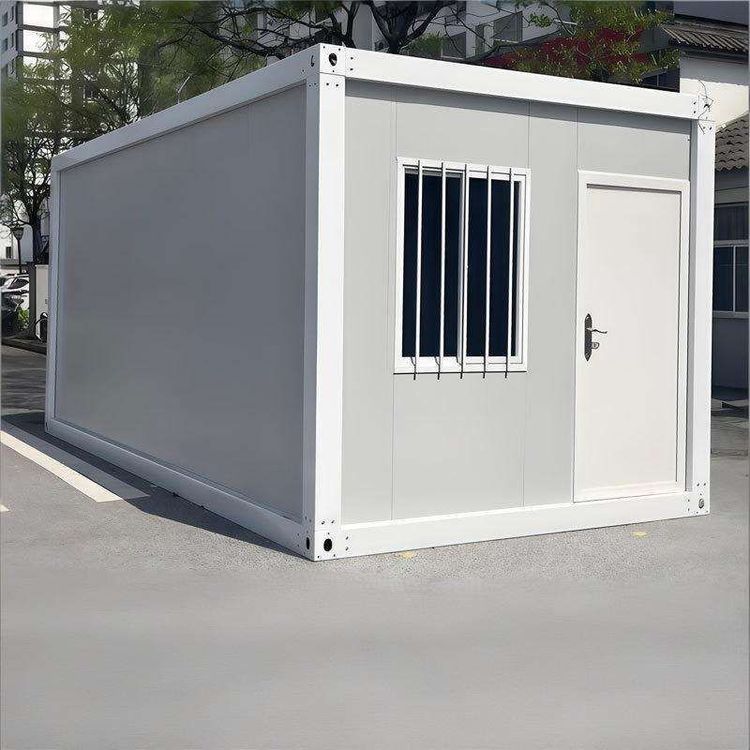
Mobile Toilets (Integrated Mobile Facilities): These are modular sanitation facilities designed for public places, consisting of four main modules: fecal treatment systems, structural frames, sanitary ware, and mobile devices. The structural forms are divided into single-unit (single independent unit) and composite (multiple functional compartments combined); the mobile methods include hoisting type (requiring lifting equipment), towing type (connectable to vehicle traction), and powered type (with its own drive system); the sewage treatment technologies cover flushing type (requiring connection to municipal sewage networks), non-flushing suction type (vacuum suction), circulating flushing type (reclaimed water reuse), and dry packing type (using degradable bags). Typical application scenarios include tourist attractions (with an average daily visitor flow of more than 5000 people), large construction sites (with a construction period exceeding 6 months), and temporary events (such as music festivals and exhibitions). Their advantages lie in rapid deployment (installation completed in 2-4 hours) and flexible relocation.