Mobile Hoisting Public Toilet
A mobile hoisting public toilet is a facility that can be moved as a whole and installed at fixed or temporary locations through hoisting to provide toilet services to the public.
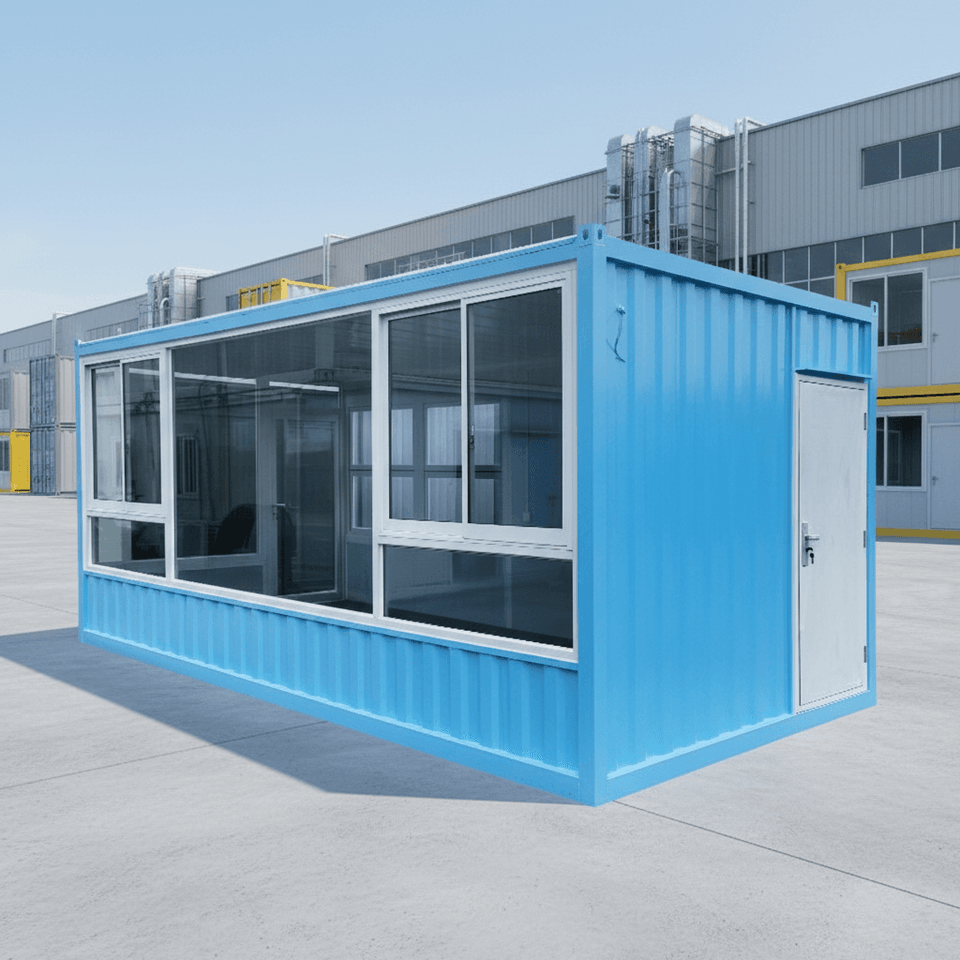
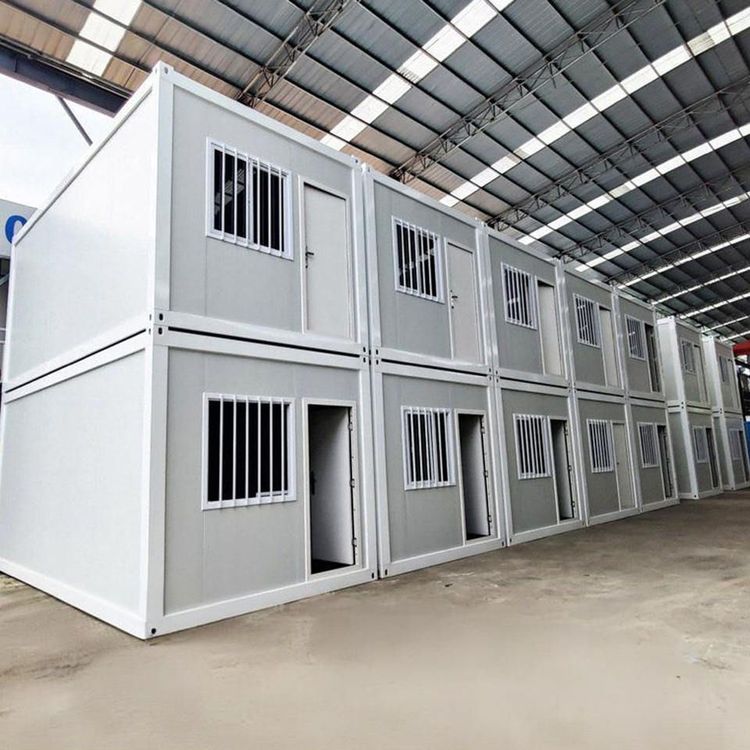
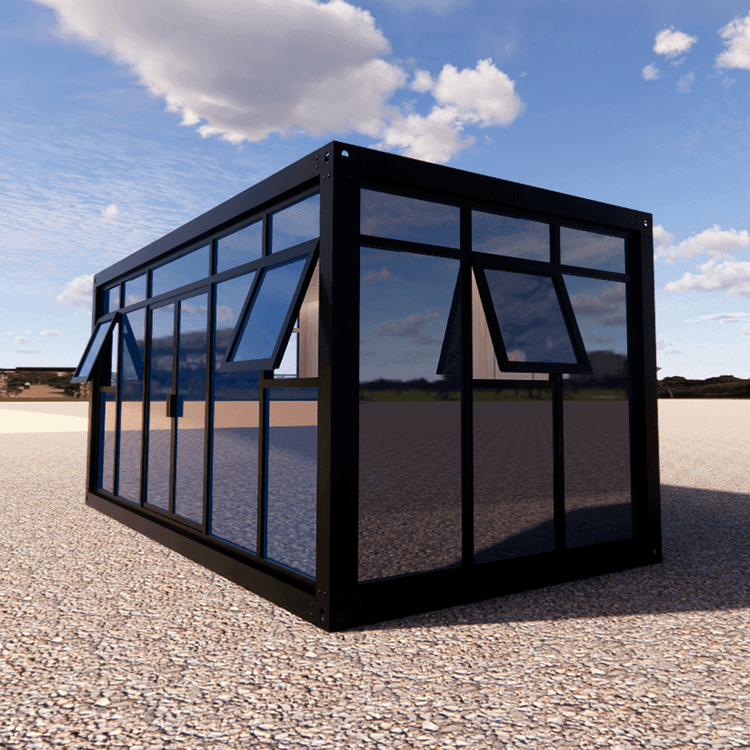
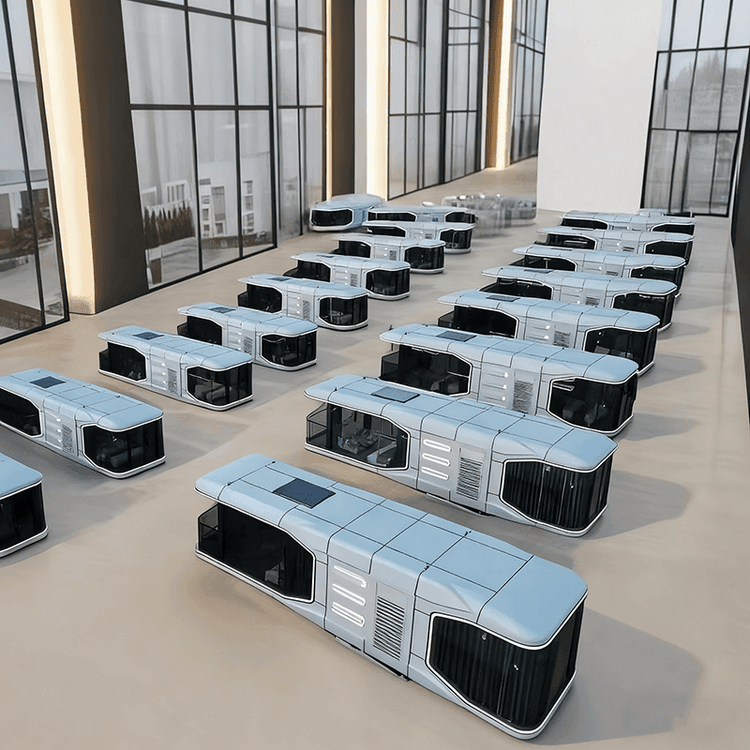
I. Basic Definition and Characteristics The core feature of a mobile hoisting public toilet is its mobility. It breaks through the limitations of traditional fixed public toilets and can be quickly transported to any location where it needs to be installed using hoisting equipment, such as temporary project sites, large-scale event venues, or emergency rescue areas. Its design emphasizes modularity and standardization, allowing for repeated use and significantly reducing construction costs and time investment. In addition, such public toilets are usually combinable and can adjust their scale or functional modules according to actual needs, such as adding barrier-free facilities or baby care rooms.
II. Structural Composition and Functional Implementation The construction of a mobile hoisting public toilet covers several key systems:
- Fecal Treatment System: This includes storage tanks or integrated treatment devices. Storage tanks are suitable for short-term use scenarios and require regular cleaning and transportation; treatment devices, on the other hand, achieve on-site purification through biodegradation or chemical treatment technologies, reducing dependence on external facilities.
- Basic Structure: Lightweight yet sturdy materials (such as color-coated steel sheets and aluminum alloys) are used to construct the walls, roof, and floor, ensuring stability and durability during transportation. For example, practical color-coated steel mobile public toilets use waterproof panels that are both moisture-proof and easy to clean.
- Sanitary Facilities: Standardized sanitary fixtures (such as toilets and urinals), washing facilities (sinks and hand dryers), and water tanks are integrated. Some high-end models are also equipped with air conditioning, lighting, and ventilation systems to enhance the user experience.
- Mobile Devices: Special hoisting interfaces or pulley structures are designed at the bottom to facilitate quick loading, unloading, and positioning using cranes or transport vehicles.
III. Typical Application Scenarios
- Temporary Projects: For road construction, construction sites, etc., mobile hoisting public toilets can be flexibly relocated according to the progress of the project, avoiding the waste of resources from repeatedly building fixed toilets.
- Large-Scale Event Support: At music festivals, sports events, and other crowded venues, their rapid deployment capability can effectively alleviate toilet pressure.
- Emergency Rescue: After earthquakes, floods, and other disasters, mobile public toilets can be quickly put into use to provide basic sanitary conditions for affected people and rescue personnel.
- Tourism Scenic Spot Upgrades: The mobile landscape public toilets on the embankment of the Qiantang River in Hangzhou have achieved harmonious integration with the surrounding environment through factory prefabrication and overall hoisting, while also shortening the construction period.
IV. Technological Advantages and Development Trends With the progress of material science and environmental protection technology, mobile hoisting public toilets are developing towards lightweight, intelligent, and ecological directions. For example, the application of new composite materials further reduces weight, solar power supply and rainwater harvesting systems reduce operational energy consumption, and the Internet of Things technology enables remote monitoring and maintenance management, improving service efficiency.