Portable Toilet Eco-Friendly: A Practical Buyer's Guide
When purchasing an eco-friendly portable toilet, it is essential to consider factors such as materials, design, functionality, certifications, and scenario adaptability. Here is a detailed guide:
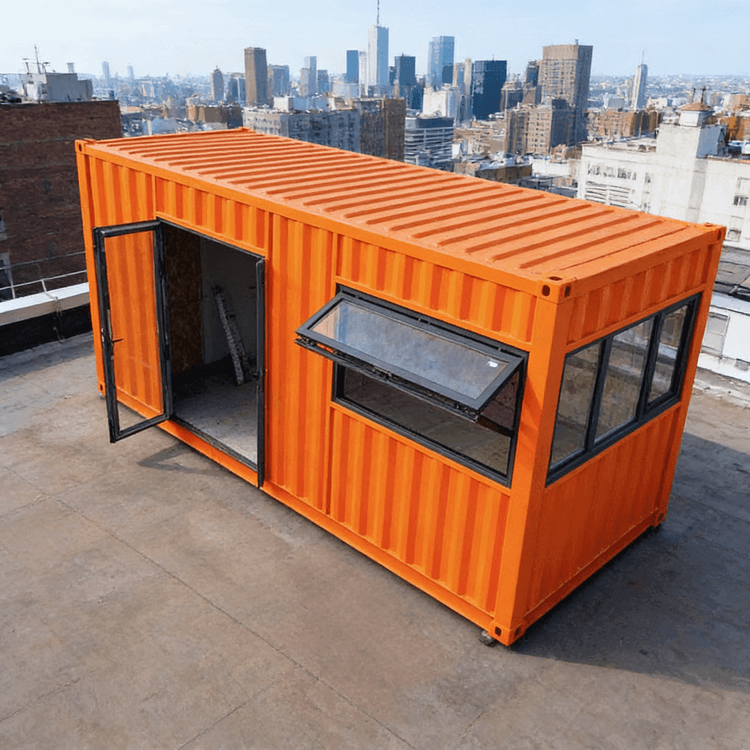
Materials and durability are the core foundations. Opt for products that utilize sustainable material technologies, such as durable steel container structures, which offer long lifespans and wear resistance to meet the demands of high-traffic outdoor use, making them suitable for long-term and frequent use scenarios. If lightweight design is required, consider corrosion-resistant plastic materials, which are 30% lighter than traditional metals while maintaining durability through special processes, balancing portability and service life.
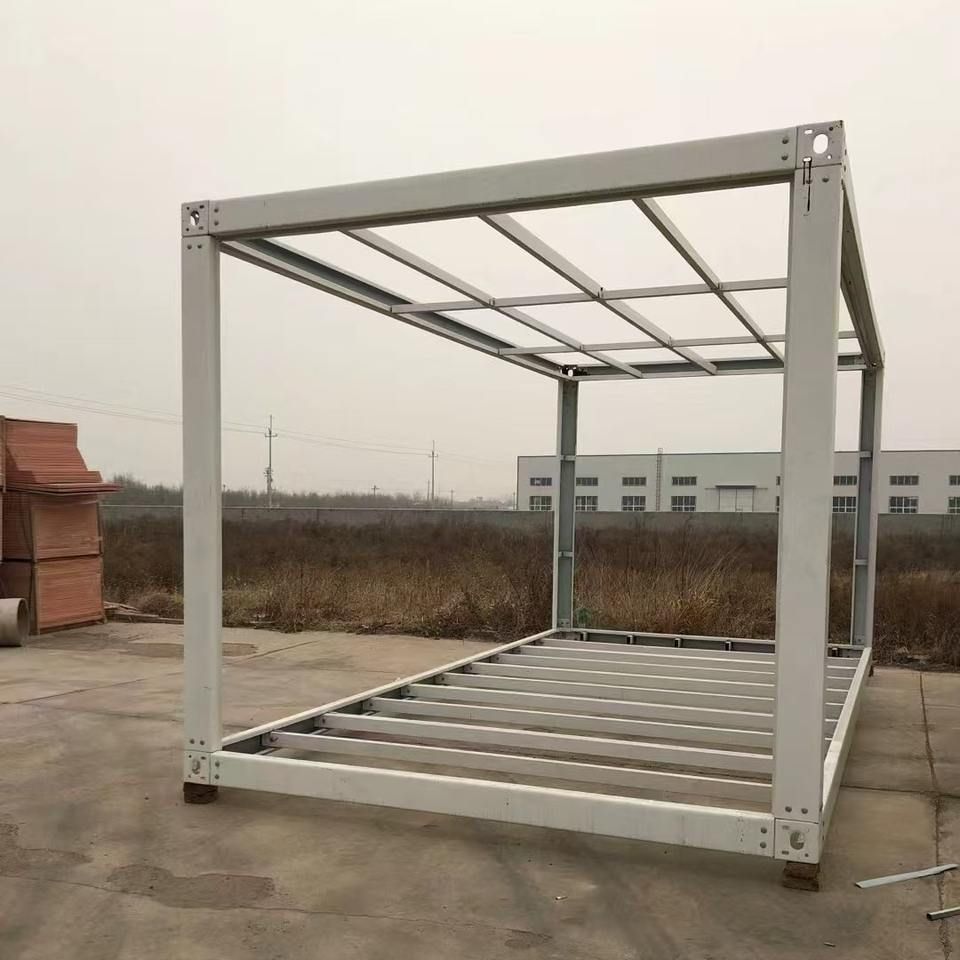
Design and portability should align with practical needs. Modular design products feature split structures for quick assembly and disassembly, enabling flexible deployment across multiple scenarios, including campsites and urban temporary events. Foldable designs, on the other hand, save storage space with collapsible frames, making them easy to place in vehicle trunks or home closets, particularly ideal for road trips or emergency reserves. Both designs require attention to structural stability to prevent damage from shaking during transportation or use.
Functionality and applicability must meet basic hygiene requirements. Products should be equipped with essential hygiene components such as seats, lids, and toilet paper holders to ensure convenience. Seat designs should adhere to ergonomic principles, with adjustable heights or widened surfaces to accommodate both adults and children, enhancing applicability. Some premium models also feature splash guards or ventilation systems to further optimize the user experience.
Environmental certifications and standards serve as quality guarantees. Prioritize products with CE and WaterMark certifications, which cover material safety, structural stability, and hygiene standards, ensuring compliance with international quality requirements. Additionally, pay attention to European EPR certifications (such as Germany's Blue Angel and France's NF Environment certifications), which rigorously evaluate the ecological impact of a product's entire lifecycle, including material recyclability, production energy consumption, and waste disposal, effectively reducing environmental burdens.
Application scenarios should match product characteristics. For fixed locations like villas and container homes, modular design products can be selected for long-term stable use through buried installation or fixed brackets. Temporary scenarios such as camping and music festivals are better suited for foldable designs that support rapid deployment and withdrawal. In emergencies (e.g., natural disasters), lightweight and easily transportable models should be prioritized, ensuring they have independent wastewater collection systems to prevent secondary pollution.