
What is the Significance of Mobile Environmental Toilets
The significance of mobile environmental toilets is mainly reflected in aspects such as flexibility and convenience, environmental protection and water conservation, beautifying cities and protecting the environment, as well as meeting the needs of special venues.
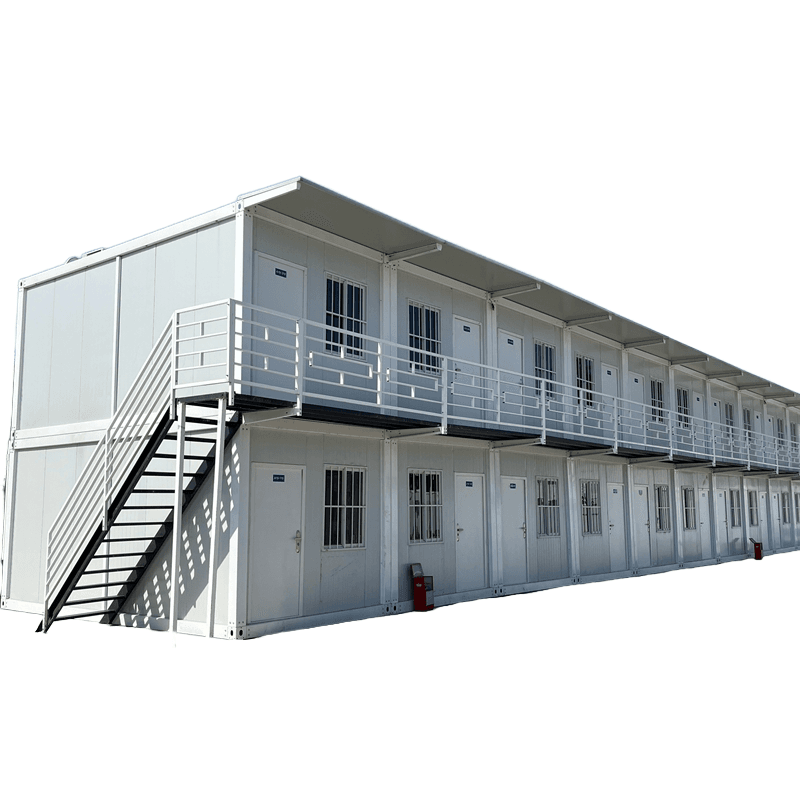
Flexibility and Convenience to Meet Diverse Needs: The biggest advantage of mobile environmental toilets is that they are not restricted by fixed piping networks. At large-scale events and temporary gathering places, such as music festivals and sports events, where there is a high density and large flow of people, traditional fixed public toilets find it difficult to meet the demand. Mobile toilets, however, can be quickly deployed according to the scale of the event and the layout of the venue, and can be promptly removed after the event, avoiding waste of resources. In terms of filling the gaps left by fixed public toilets, in some old urban areas, remote areas, or newly developed areas where the construction cost of fixed public toilets is high and the construction period is long, mobile toilets can quickly fill the service gaps. For special work scenarios, such as construction sites and field explorations, mobile toilets can move along with the change of work locations, providing convenience for workers. In emergency disaster relief, they can quickly restore basic sanitation facilities in disaster-stricken areas and ensure the basic living needs of the affected people.
Environmental Protection and Water Conservation, Practicing Green Concepts: Mobile environmental toilets use various advanced technologies to treat excrement. For example, biodegradation technology can convert excrement into harmless substances, reducing pollution to the surrounding soil and water bodies. Most mobile toilets consume extremely low amounts of water, or even require no water at all, greatly saving freshwater resources compared to traditional water-flush toilets. The materials they use can be recycled, reducing the generation of construction waste. At the same time, mobile toilets do not require large-scale construction of underground piping networks, reducing land occupation and meeting the requirements of sustainable development.
Beautifying Cities and Protecting the Environment: The design of mobile public toilets usually emphasizes coordination with the urban environment. Their aesthetically pleasing appearance can add color to the urban environment and help achieve the technological characteristics of the city. Moreover, a reasonable layout of mobile public toilets can effectively maintain the natural state and prevent environmental damage caused by unreasonable toilet construction during building development.
Meeting the Needs of Venues without Sewer Systems: Waterless sanitary toilets, as a type of mobile toilet, do not require traditional water flushing. They achieve waste treatment through physical, biological, or chemical technologies and are suitable for venues without sewer systems, such as remote mountainous areas and desert regions. They comply with international general standards and provide basic sanitation facilities for people in these areas.



