
Photography Tips for Mobile Toilets in Mianyang
To capture great photos of mobile toilets in Mianyang, consider the following tips that enhance image quality through the coordinated optimization of equipment, composition, lighting, and details:
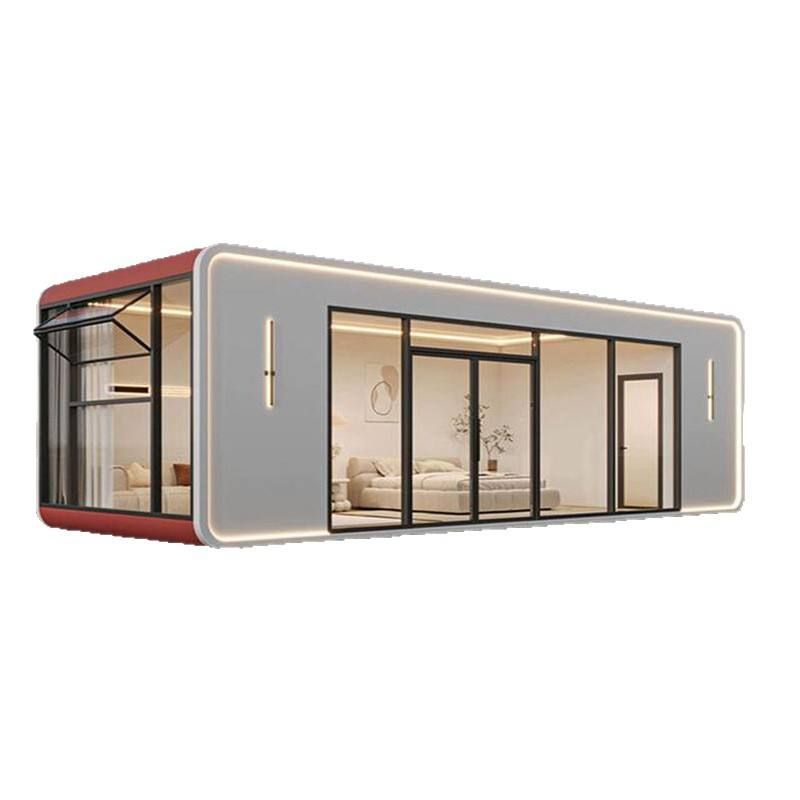
1. Equipment Selection: Wide-Angle Lenses Enhance Spatial Perception Prioritize using the ultra-wide-angle mode on your smartphone or a camera equipped with a wide-angle lens below 16mm. Such equipment can stretch vertical space through perspective distortion, making narrow toilets appear more open and spacious. In low-light conditions (e.g., nighttime or dim indoor environments), pair your setup with a portable fill light or reflector to prevent overly dark images that lose detail. Note that wide-angle lenses are prone to distortion at the edges, so keep your main subject centered in the frame during shooting.
2. Composition Techniques: Balance and Dynamics Combined
- Symmetrical Composition: Use sinks, mirrors, or doors and windows as central axes to divide the frame into two equal halves, enhancing visual balance. For example, when photographing a mirror, arrange people or decorations symmetrically to create a mirrored effect.
- Leading Line Composition: Utilize linear elements like tile grout lines, light strips, or railings to guide the viewer's eye toward the main subject. For instance, shooting from the tile grout lines on the floor toward the sink can enhance the sense of depth in the image.
- Top-Down/Bottom-Up Perspectives: Avoid the monotony of eye-level shots by trying angles from the ceiling or floor at 45 degrees. Top-down shots can highlight floor textures or decorations, while bottom-up shots can emphasize ceiling structures or lighting effects.
3. Lighting Control: Cold-Warm Contrast Highlights Layers
- Natural Light Utilization: Side lighting in the morning or evening can outline the textures of tiles, metals, and other materials, adding dimensionality to the image. The soft light and natural shadow transitions at these times are ideal for capturing the overall environment.
- Artificial Light Pairing: When shooting at night, retain some warm light sources (e.g., wall sconces, light strips) to contrast with cool tones (e.g., white tiles), creating a cozy atmosphere. Avoid using direct flash, as it can cause overexposure on mirrors or metal surfaces.
- Light and Shadow Layers: Adjust your shooting angle to create a clear boundary between light and shadow on walls or floors, enhancing the image's drama. For example, let sidelight slant in through doors or windows to form striped light and shadow patterns.
4. Detail Handling: Simplify the Environment to Enhance Quality
- Remove Clutter: Before shooting, clear away irrelevant items like tissue boxes or cleaning tools to keep the frame clean. Add touches of life with potted plants, aromatherapy bottles, or artistic ornaments.
- Mirror Utilization: If the toilet has a mirror, use it to reflect outdoor scenery or interior decorations, creating a double image that adds depth. Be mindful of avoiding the photographer or equipment in the reflection.
- Post-Processing Adjustments: Use software to slightly increase the brightness of shadow areas and restore lost details, but maintain a natural texture to avoid over-editing that makes the image appear artificial.



