
Marine Mobile Toilet
Marine mobile toilets are mainly divided into two categories: marine sanitary units and marine container-type toilet modules, both of which are optimized in design, functionality, and application scenarios for the marine environment.

Marine Sanitary Units
Marine sanitary units are integrated modular restrooms that combine washing, bathing, and toilet functions, complying with the industry standard CB/T 3723-2014. Their core structure includes a chassis, wall panels, ceiling, doors, marine hardware, sanitary fixtures, lighting, and water and electrical systems, achieving functional integration through overall assembly. The design advantage lies in their modular structure, which allows for rapid installation in the limited space of ships, significantly shortening the shipbuilding cycle. Additionally, their compact layout facilitates space utilization and adapts to the needs of different ship types. This type is suitable for new ship construction or renovation projects, especially those requiring a high degree of integration for sanitary facilities.
Marine Container-Type Toilet Modules
Container-type toilet modules are specifically designed for ships and offshore platforms, combining the robustness of containers with toilet functionality. They possess the following core characteristics:
- Environmental Adaptability: Constructed from galvanized steel or aluminum alloy with anti-corrosion treatment on the surface, they can withstand seawater erosion. The container frame has passed ship sway tests, ensuring resistance to wind and waves, suitable for ocean voyages or harsh sea conditions.
- Sewage System: Equipped with vacuum collection or biodegradation technology, they comply with the environmental protection standards of the International Maritime Organization (IMO), reducing pollution to the marine environment.
- Space Optimization: The internal layout is compact, typically including squatting positions, urinals, washbasins, and storage areas. Some products (such as Guangzhou Zhengkai modules) also integrate shower modules to meet diverse needs.
Application Scenarios are extensive, including commercial ships (such as cargo ships and cruise ships providing long-term sanitary protection for crew members), offshore operation platforms (such as drilling platforms addressing temporary operational area needs), and emergency disaster relief (rapid deployment to disaster-stricken areas).
Purchase Recommendations: Prioritize products certified by classification societies (such as CCS, DNV) to ensure quality and safety. Modular design facilitates later maintenance and replacement of parts. Choose manufacturers with experience in marine equipment, such as Hebei Jichuang and Dezhou Wansen, whose products are optimized for the marine environment and have a service life of over 15 years.
Installation and Maintenance: During installation, anchor bolts need to be embedded (spacing ≤ 1.5m). After hoisting, the horizontal error should be < 3mm. After connecting the sewage pipes, a water tightness test (pressure ≥ 0.2MPa) should be conducted. For daily maintenance, it is recommended to check the sealing strips monthly and clean the sewage tanks quarterly to ensure long-term stable operation.
You may also like

Portable Toilet for Energy Efficiency Solutions: A Buying Guide
Read More
Container House Custom Explained: How to Choose the Right One
Read More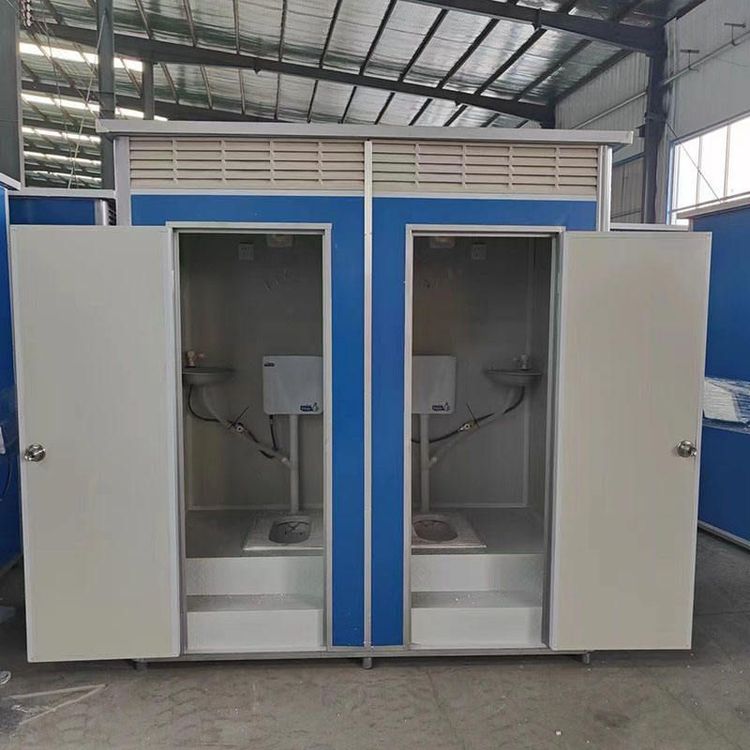
Portable Toilet Design Custom & OEM: Design & Bulk Production Guide
Read More