Production of Light Steel Mobile Toilets
The production of light steel mobile toilets typically uses galvanized aluminum-zinc light steel as the main frame, combined with eco-friendly materials for modular assembly. The specific process requires technical guidance from professional manufacturers.

I. Main Frame and Material Selection
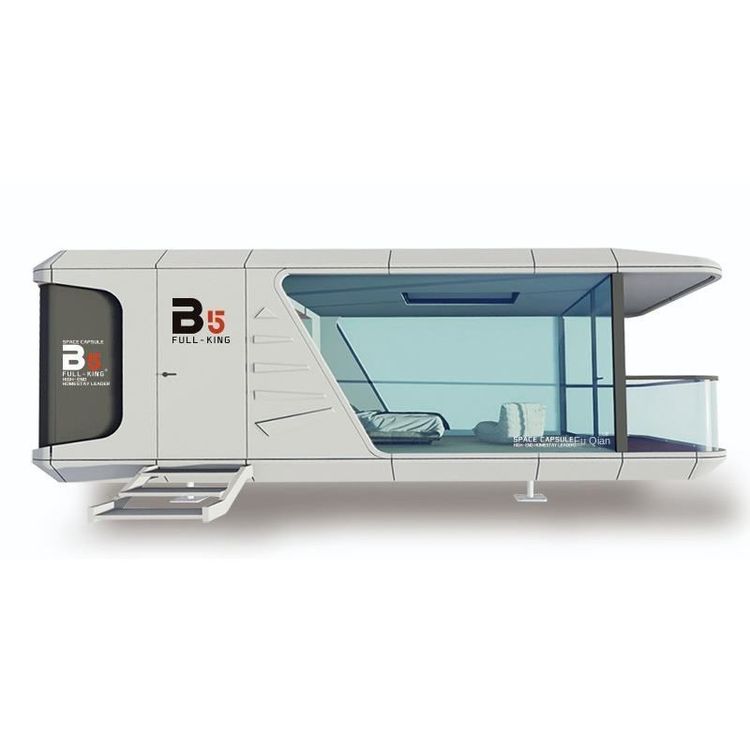
The core structure of light steel mobile toilets is made of galvanized aluminum-zinc light steel keels, which are corrosion-resistant and have high strength, effectively extending the service life. The main frame is produced through modular design to achieve standardized manufacturing. Manufacturers such as Xinlongcheng Door Industry Sales Office in Yuhong District, Shenyang, can customize dimensions according to needs, with some products even meeting 3A standards. The exterior cladding often uses metal carved panels, which are both aesthetically pleasing and eco-friendly, while the interior is filled with insulation and soundproofing materials like glass wool to enhance comfort. Companies like Hebei Luokaibao also emphasize the seismic and fire-resistant properties of the structure to ensure safety and stability in complex environments.
II. Production Process and Key Steps
- Light Steel Keel Construction: According to the design drawings, the galvanized aluminum-zinc light steel keels are cut and welded into a frame structure, ensuring dimensional accuracy and load-bearing capacity. This step must strictly adhere to mechanical principles to avoid deformation due to structural instability later on.
- Panel Cutting and Installation: The exterior metal carved panels are precisely cut to fit the frame dimensions and fixed with rivets or bolts to ensure tight seams. The interior walls can use eco-friendly composite panels that meet fire safety requirements and are easy to clean and maintain.
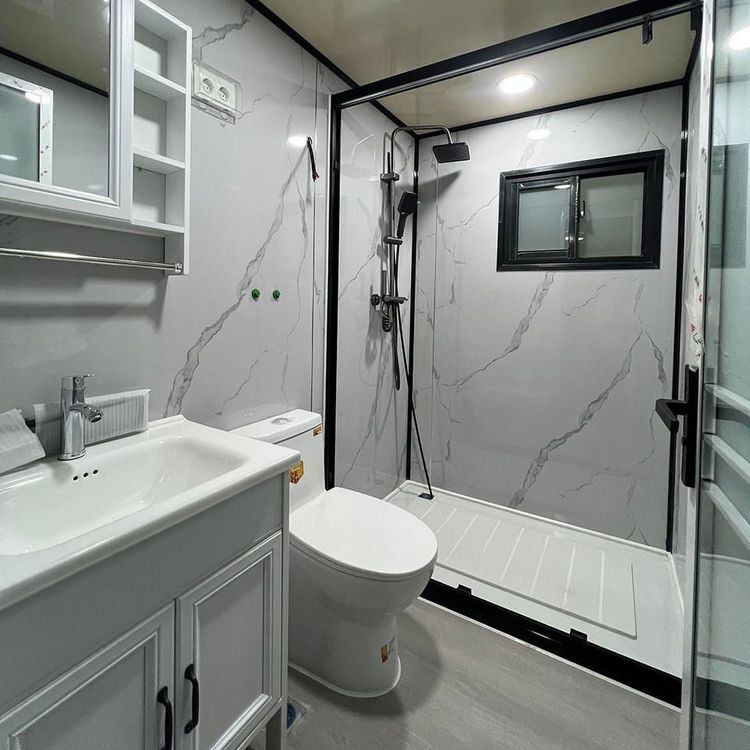
- Internal Facility Installation: When installing sanitary facilities such as toilets and sinks, drainage pipe interfaces must be reserved, and leak-proof designs should be adopted. Some high-end products are equipped with smart sensor faucets and ventilation systems to enhance the user experience.
- Drainage System Connection: The drainage system of mobile toilets usually adopts two methods: a sewage collection tank or direct connection to the municipal sewer network. The collection tank requires regular cleaning, while municipal connection requires advance planning of pipe routes to ensure compliance with environmental standards.
III. Technical Guidance and Customization Needs
Since the production of light steel mobile toilets involves knowledge from multiple fields such as structural mechanics and material science, detailed processes require technical guidance from professional manufacturers. For example, seismic design needs to adjust the keel spacing according to the local seismic intensity, and fire-resistant materials must comply with the national GB8624 standard. Additionally, manufacturers can provide personalized solutions based on usage scenarios (such as tourist attractions or construction sites), such as adding solar power supply or antifreeze circulation systems to meet different environmental needs.