
Construction of Single-Person Mobile Toilets in Lhasa
The construction of single-person mobile toilets in Lhasa requires comprehensive consideration of materials, installation, supporting systems, and environmental adaptability to ensure stable operation and ecological friendliness in high-altitude environments.
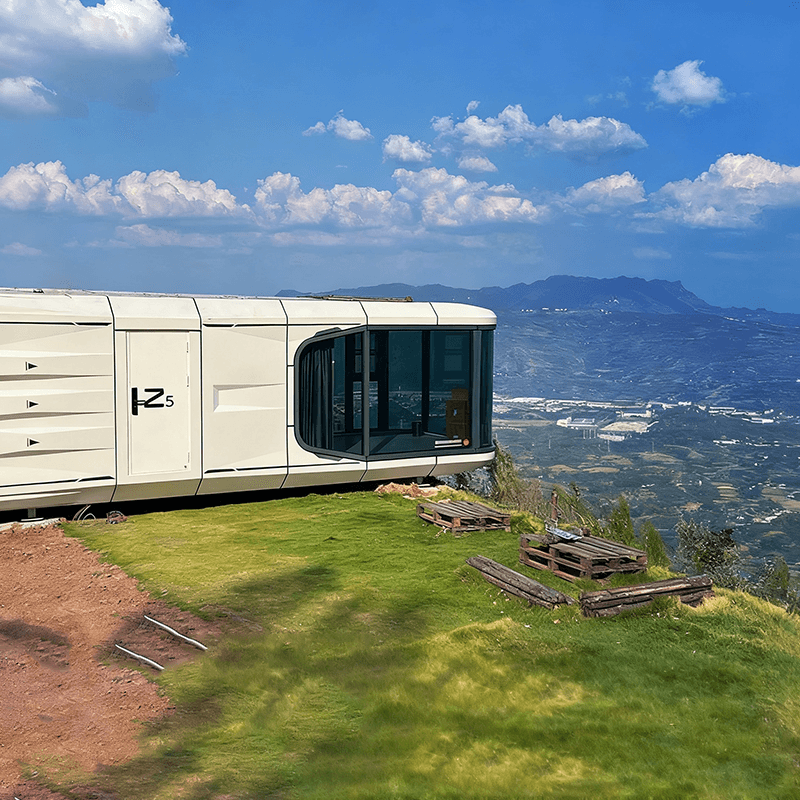
Material and Structural Design
In Lhasa, where there are large temperature differences between day and night and strong ultraviolet radiation, the outer shell of mobile toilets should be made of color-coated steel materials that are resistant to low temperatures and ultraviolet rays to adapt to the intense sunlight and temperature variations in the plateau region. The interior space should adopt lightweight composite materials with thermal insulation sandwich structures, reducing energy consumption through thermal insulation design and maintaining stable internal temperatures. Space planning should follow ergonomic principles, equipped with ventilation and air exchange devices to ensure user comfort.
Installation Process
- Site Planning: It is necessary to scientifically locate demand points by combining densely populated areas, tourist route nodes, and buffer zones of ecological protection areas to avoid interference with ecologically sensitive areas.
- On-Site Assessment: Before installation, it is essential to test geological stability, analyze wind direction, and simulate water supply and sewage discharge paths to ensure the long-term feasibility of the facilities.
- Foundation Treatment: To address the issue of freeze-thaw cycles in high-altitude areas, adjustable steel frame foundations or shallow-buried thermal insulation layer designs should be used to prevent stability issues caused by frost heave cracking in ordinary concrete.
- Modular Assembly: The box structures are prefabricated in factories and then transported to the site for rapid assembly using standardized modules, reducing on-site construction time and minimizing long-term damage to the fragile ecology of the plateau.
- Construction Specifications: Workers must follow high-altitude safety regulations, control continuous working hours, and be equipped with oxygen supply devices to prevent the risk of altitude sickness.
Supporting System Construction
- Sewage Disposal System: In low-temperature environments, the degradation rate of microorganisms slows down, necessitating the use of insulated treatment equipment or chemical-biological combination technologies to enhance treatment efficiency. The sewage treatment module operates independently of municipal sewage networks, achieving harmless treatment through biodegradation (e.g., microbial agents) or sealed packaging containers.
- Energy Supply: Priority should be given to using solar photovoltaic panels for auxiliary power supply, providing clean energy for lighting, ventilation, and treatment equipment, reducing reliance on traditional electricity.
Environmental Adaptability
The overall structure of the equipment should be reinforced with wind-resistant designs, such as adopting a low center of gravity layout or reinforcing connectors, to cope with strong winds in high-altitude areas and ensure long-term stability.



