Large-scale Mobile Toilet Manufacturing
The manufacturing of large-scale mobile toilets requires comprehensive consideration of various factors, including structural composition, design principles, classification of structures and mobility methods, as well as specific case studies.

I. Structural Composition
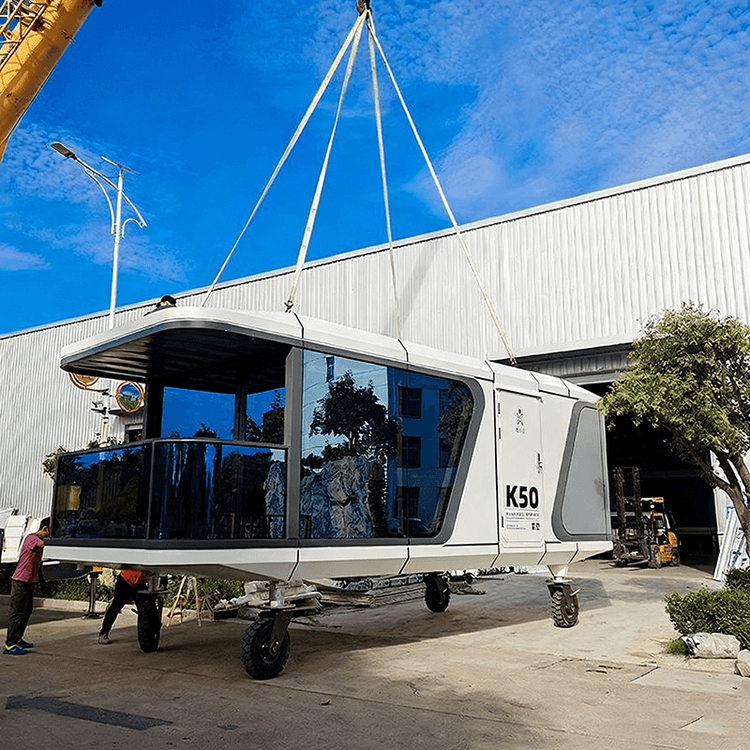
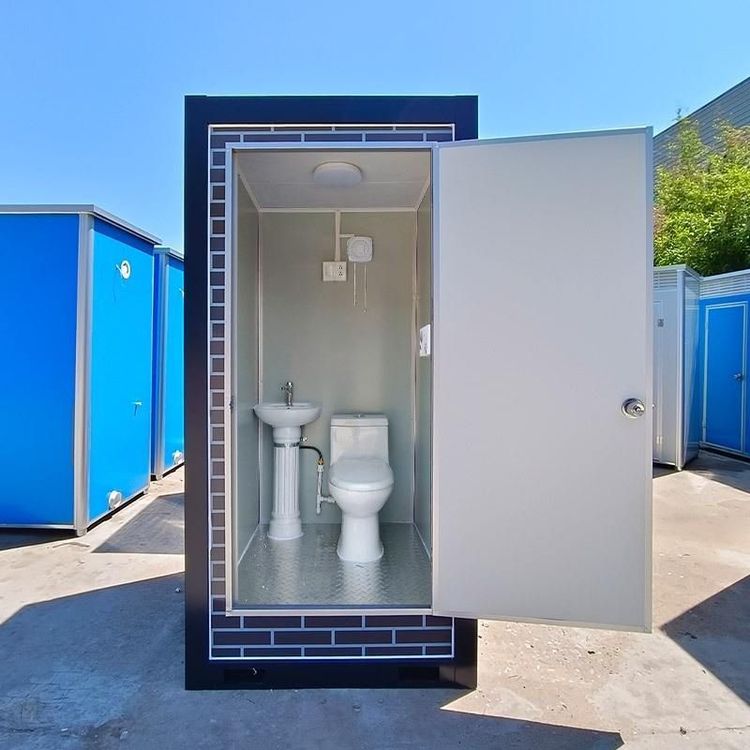
Large-scale mobile toilets are generally composed of fecal sewage storage tanks (or fecal sewage treatment devices), floor slabs, sanitary fixtures, walls, washing facilities, water tanks, roofs, and mobility devices. The fecal sewage storage tank is used to collect and treat excreta, ensuring hygiene and environmental protection; the floor slab needs to be slip-resistant and easy to clean; sanitary fixtures such as squat toilets and sit toilets should conform to ergonomic design; walls should ensure privacy and be lightweight yet durable; washing facilities include sinks and faucets; the water tank is used to store water for flushing toilets; the roof needs to be waterproof and structurally sound; and the mobility device ensures that the toilet can be flexibly moved.
II. Design Principles
The design should adhere to three major principles: mobility and convenience, economic durability; environmental protection and ecological benefits; enhancing efficiency and promoting humanity. The overall structure should be lightweight, with priority given to lightweight and durable materials (such as stainless steel and aluminum alloy), while ensuring structural robustness. The height and width of the toilet should be controlled during design to accommodate the loading requirements of different transportation vehicles. The mobility device should be complete and reasonable, for example, lifting-type toilets should have reserved hook positions, and towing-type toilets should be equipped with towing devices and braking systems.
III. Classification of Structures and Mobility Methods
- By structural form: Divided into single-unit mobile toilets (independent units suitable for small-scale use) and composite-structure mobile toilets (multiple units combined, suitable for high-traffic scenarios).
- By mobility method: Divided into lifting and handling types (relying on lifting equipment for transfer) and powered and towing types (with their own power or capable of being towed by vehicles).
- By sewage treatment method: Divided into water-flush and non-water-flush suction types (relying on septic tanks or suction trucks), circulating water-flush types (water recycling to save water resources), and dry-pack types (excreta is packed and treated without the need for flushing).
IV. Specific Case Studies
- Double-unit mobile toilet: Made of stainless steel, with dimensions of 2 meters in length, 1.3 meters in width, and 2.5 meters in height. It is equipped with a ceramic sink, squat toilet, exhaust fan, lighting, and a water tank inside. After delivery, it can be used by simply connecting to water and electricity supplies, making it suitable for scenic spots, construction sites, and other scenarios.
- Simple movable toilet: Transformed from a water storage tank through steps such as cutting the tank body with an angle grinder, fixing universal wheels, increasing height, constructing door frames and walls, and installing drainage pipes and floor drains. It is low-cost and can be DIY, making it suitable for temporary or emergency use.