
Portable Toilets for Large Concerts
Portable toilets for large concerts are important temporary facilities that ensure on-site sanitation services and meet the physiological needs of the audience.
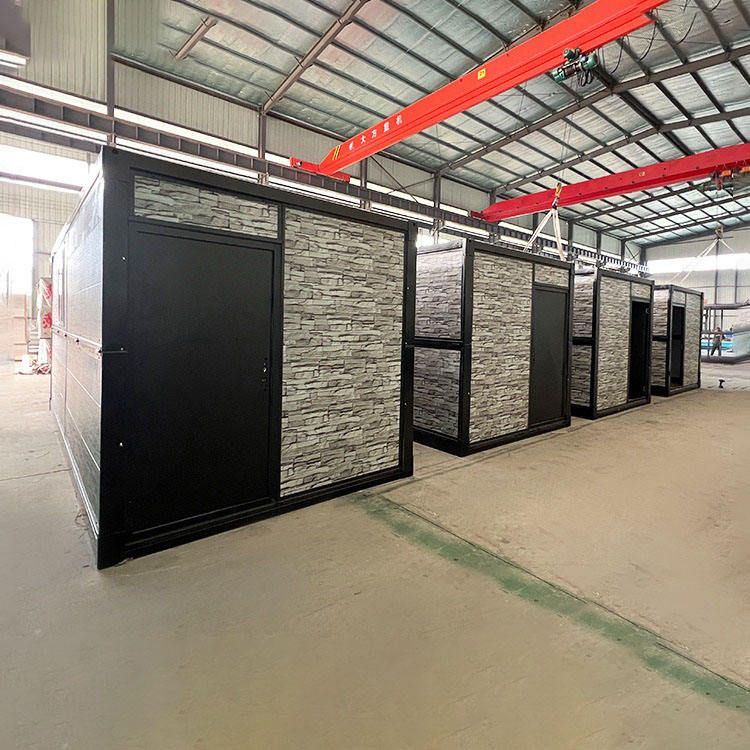
I. Configuration Basis
The configuration of portable toilets is based on scientific calculations of human physiological patterns and spatial usage density. Factors such as the average usage frequency per unit of time, waiting times due to gender differences, and the service radius of the facilities collectively form the basic parameters for facility configuration. For example, female audience members tend to spend more time in the restroom due to physiological characteristics, so it is necessary to appropriately increase the number of female restrooms to shorten waiting times. The service radius of the facilities should cover the audience's activity areas to avoid inconvenience caused by excessive distances. Through precise calculations, it is possible to ensure that the sanitation service capacity matches the dynamic flow of people during peak event times, thereby avoiding public health risks caused by insufficient facilities.
II. Treatment Systems
Portable toilets rely on enclosed independent treatment systems to maintain hygiene. Chemical treatment decomposes waste and deodorizes it through the oxidation and masking effects of specific agents, making it suitable for short-cycle, high-frequency usage scenarios. Biological treatment, on the other hand, relies on microbial communities to degrade organic matter, which is more environmentally friendly but requires a longer treatment cycle. Both methods need to maintain equipment usability within a limited volume to ensure continuous service during the event.
III. Cleaning and Maintenance
Cleaning and maintenance follow strict procedures, including regular waste extraction, internal flushing, disinfection, and replenishment of consumables. The main maintenance periods are during event intervals or at night to minimize the impact on the audience. Additionally, the spatial deployment strategy of the venue directly affects maintenance efficiency. For example, the demand patterns differ between the entrance gathering area and the exit evacuation area, so facility density should be adjusted according to the characteristics of personnel retention. High-density停留区 (stay areas) in front of the stage require an increased number of toilets, while the evacuation corridors at the back should remain unobstructed. At the same time, dedicated barrier-free facilities should be provided for individuals with mobility impairments, with location planning that meets conditions such as flat accessibility and ample space.
IV. Support Services
The establishment of a temporary sanitation system involves transportation and installation, real-time monitoring during operation, and post-event removal and deep cleaning of equipment. The scheduling routes and time windows for water supply vehicles and waste transport vehicles should be incorporated into the overall event logistics management plan to ensure continuous facility operation. For example, the Daolang Yichang Ten Thousand-Person Concert received positive feedback from the audience, with comments such as 'I followed the arrows and found it easily, very convenient' after adding portable toilets and providing clear signage. The Guizhou Dadi Zhiwen Music Festival further alleviated on-site pressure by collaborating with surrounding businesses to offer free restroom services.



