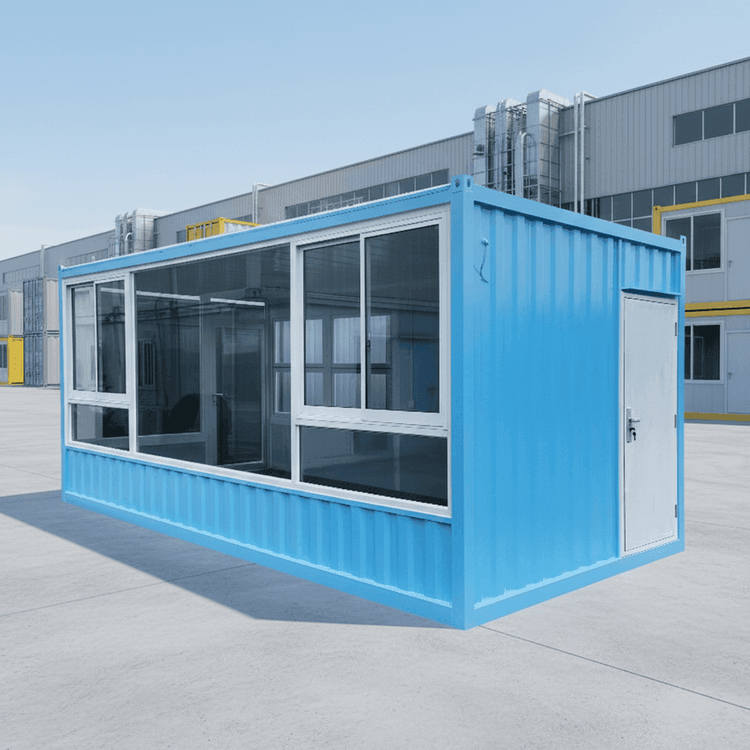
Organization of Mobile Toilets in Kunming
The organization of mobile toilets in Kunming primarily revolves around waste disposal and internal facility management, with specific plans determined based on toilet type and usage scenario.
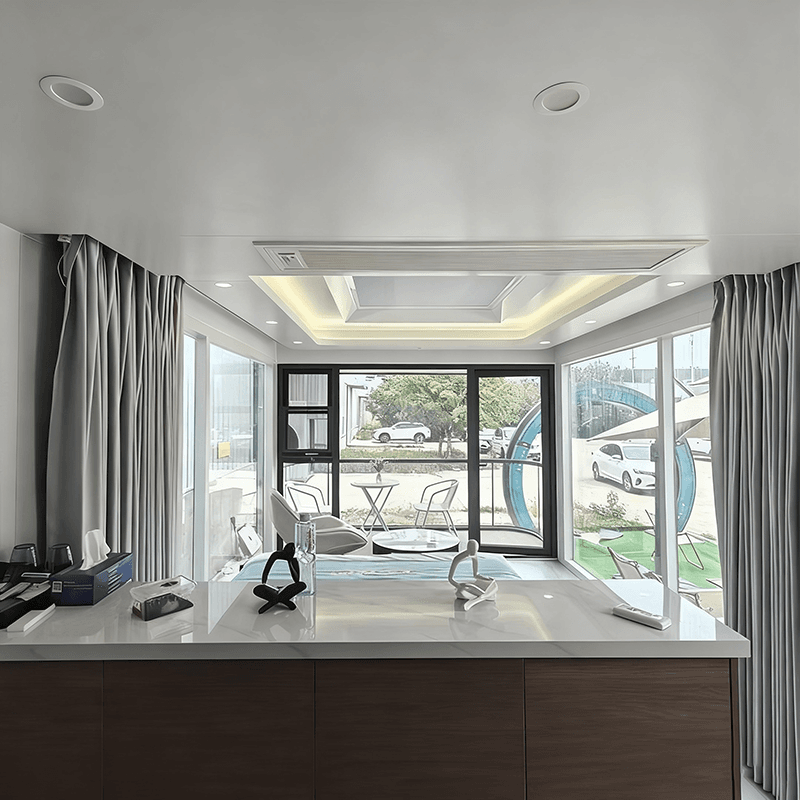
1. Waste Collection and Disposal
The core function of mobile toilet organization is the handling of human waste, typically achieved through a separated collection tank design. Urine and feces are collected separately using dedicated pipes or containers to prevent odor and blockage caused by mixing. For example, some mobile toilets are equipped with independent urine collection tanks and fecal treatment chambers. The former reduces odor through chemical agents or biodegradation technology, while the latter requires regular cleaning and disinfection. The cleaning cycle should be adjusted according to usage frequency, with daily cleaning recommended for high-traffic scenarios (such as tourist attractions and exhibitions) and extended to 2-3 days for low-frequency usage scenarios (such as temporary toilets on construction sites). Disinfection should be carried out using professional cleaning agents, focusing on the inner walls of the collection tanks, pipe connections, and seals to prevent bacterial growth.
2. Internal Facility Storage Design
The storage functions of mobile toilets vary by type. Multi-compartment combined toilets (commonly found on construction sites and temporary event venues) often include storage cabinets or hooks for storing cleaning tools (such as brooms and disinfectants), spare consumables (such as toilet paper and garbage bags), or users' personal items. Storage cabinets should be made of waterproof and corrosion-resistant materials to avoid damage in humid environments. High-end customized toilets (such as those in tourist attractions and commercial complexes) prioritize space utilization and aesthetics, potentially incorporating hidden storage designs, such as embedding storage spaces into walls or beneath seats, while also providing classified garbage bins to guide users in proper waste disposal.
3. Scenario-Based Storage Optimization
Different usage scenarios have varying storage needs. Construction site toilets should focus on storing safety equipment (such as gloves and masks) and maintenance tools, with storage cabinets equipped with locks to prevent loss. Tourist attraction toilets should include storage areas for children's items (such as diaper-changing tables and small garbage bins) and optimize the height of storage cabinets for convenience across different user groups. Exhibition toilets, with limited space, can use modular storage racks that can be flexibly adjusted according to event needs. Additionally, all types of mobile toilets should regularly inspect the integrity of storage facilities, promptly replacing damaged hooks, cabinet doors, and other components to ensure normal functionality.
By scientifically classifying waste, reasonably designing internal storage spaces, and optimizing functions based on usage scenarios, the practicality and hygiene of mobile toilets in Kunming can be significantly improved.