
Jincheng Container Mobile Toilet
Although there is no directly targeted information on Jincheng container mobile toilets, an introduction can be made based on the general characteristics of container mobile toilets.
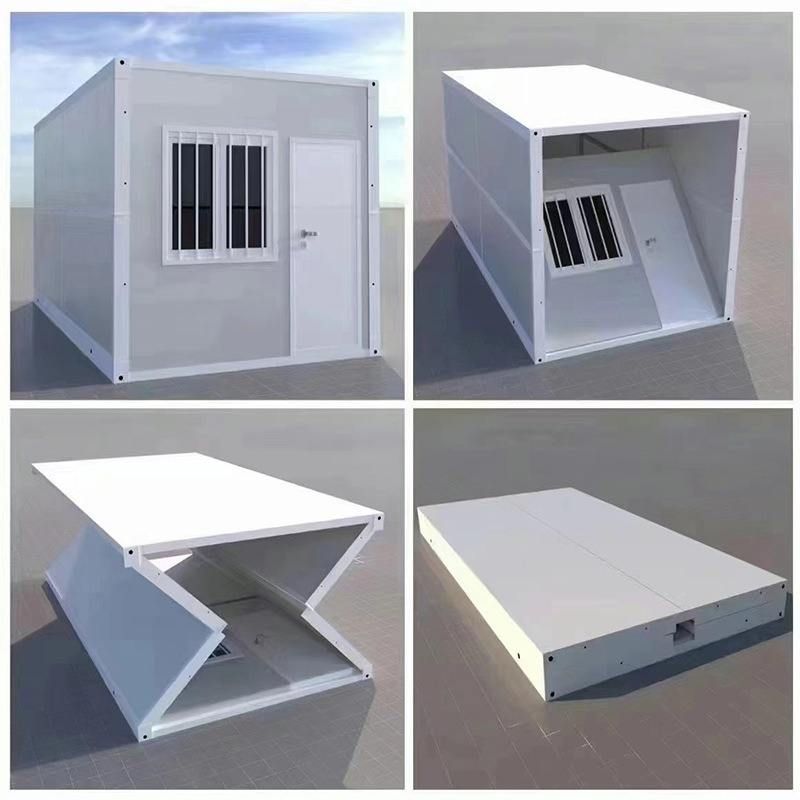
I. Basic Structure and Materials
Container mobile toilets are usually modified from standard shipping containers. Their frames are mostly made of welded steel structures and undergo anti-corrosion treatment to enhance durability. The wall panels are made of thermal insulation sandwich panels, which combine thermal insulation and environmental protection properties. The building materials are recyclable and degradable, aligning with the concept of green buildings. Some models adopt high-strength bolt connection processes, eliminating the need for welding, which not only meets environmental protection and low-carbon requirements but also supports multiple disassemblies and reuses. The main steel structure has grooves, and the sandwich isolation panels are fixed in the grooves with clips, facilitating quick assembly and disassembly and further improving construction efficiency and flexibility.
II. Specifications and Customization
Common specifications include 10000×3000×2591mm, 1300×3600×2591mm, etc. Standard dimensions such as 5950mm (length) × 3000mm (width) × 2800mm (height) can meet the needs of most scenarios. Their core advantage lies in the ability to customize dimensions and functional modules according to actual needs, such as adjusting the number of toilet compartments or the layout of equipment rooms to adapt to different user traffic scenarios.
III. Internal Configuration and Functions
The interior is usually divided into toilet compartments and equipment rooms:
- Toilet Compartments: Equipped with toilets (such as squat toilets or sit toilets), washing fixtures, washbasins, lighting fixtures, exhaust fans, air conditioners, waste bins, makeup mirrors, coat hooks, and emergency call buttons, etc. Some high-end models also add barrier-free facilities or intelligent sensing systems.
- Equipment Rooms: Integrate sewage treatment units (such as wet microbial treatment technology, with the treated water quality meeting the standards for reclaimed water reuse), lighting fixtures, distribution boxes, air conditioners, and exhaust systems to ensure environmental hygiene and efficient energy utilization.
IV. Environmental Protection and Sustainability
Most of the building materials are recyclable, reducing construction water consumption, concrete usage, and construction waste generation. The recycling rate of building materials after scrapping is high, and some models adopt reclaimed water reuse technology, significantly reducing water consumption. Their modular design supports quick disassembly, assembly, and relocation, avoiding the resource waste caused by the demolition of traditional toilets and aligning with the concept of a circular economy.



