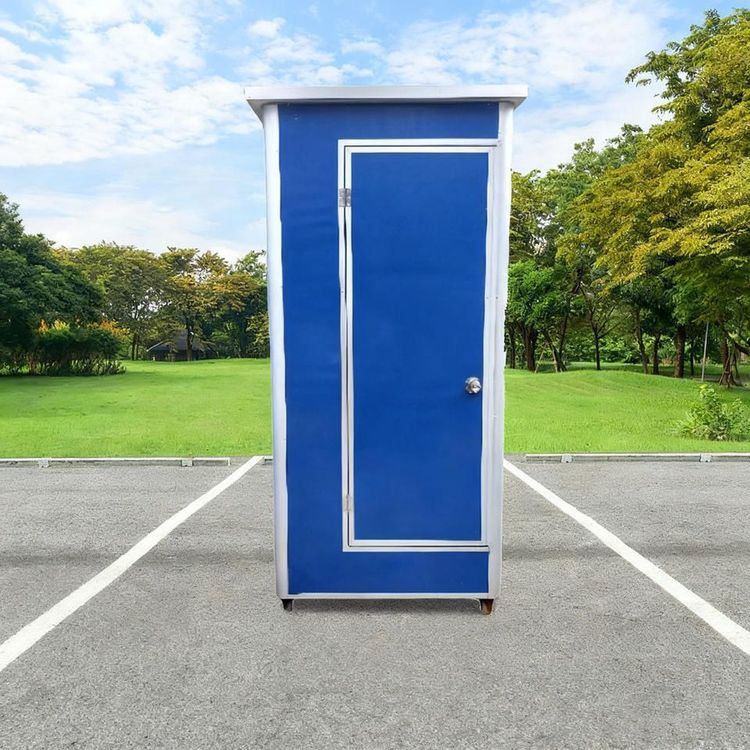
Can the Mobile Toilet Business Be Done?
The mobile toilet business can be pursued, with a generally stable outlook and strong demand, but it is not a “get-rich-quick” venture. The leasing model holds more long-term value than simply selling equipment. Here is a detailed analysis:

I. Favorable Factors and Market Opportunities
- Rigid Demand Across Multiple Scenarios: Construction sites require long-term, stable leasing of temporary toilets due to legal regulations, ensuring steady cash flow. Short-term events such as cultural tourism sites, camping, and music festivals exhibit strong demand with significant pricing flexibility. Municipal emergency needs (e.g., urban renovations, temporary gatherings) and remote areas (e.g., mines, wilderness projects, villages without sewer systems) have a high demand for eco-friendly mobile toilets (e.g., microbial degradation, packing-type).
- Continuous Policy Support: Initiatives like the “Toilet Revolution,” urban public toilet upgrades, and rural living environment improvements drive the popularization of modular and movable public toilets. Construction sites and large events that fail to provide adequate toilet facilities may face penalties. Government procurement projects often adopt a bundled “leasing + operation and maintenance” model, favoring asset-light operations.
- Industry Trends: Traditional simple plastic toilets offer low profit margins. Eco-friendly, smart, and high-end products (e.g., solar-powered, waterless eco-friendly, foam-sealing, IoT monitoring) have become mainstream, enhancing user experience and equipment intelligence.
II. Market Size and Regional Distribution
In 2024, China's eco-friendly movable toilet industry reached a market size of 1.87 billion yuan, a year-on-year increase of 14.3%, with growth expected to continue in 2025. Significant regional differences exist: The eastern coastal regions (Jiangsu, Zhejiang, Guangdong) account for over 40% of demand, while the central and western regions (Sichuan, Yunnan, Gansu) are experiencing rapid growth, driven by policies promoting rural and scenic area renovations.
III. Product and Technology Pathways
- Product Types: Water-saving models (58% market share) are suitable for urban areas with high foot traffic, while waterless models (35% market share) are ideal for remote regions.
- Technology Pathways: Microbial degradation (46% adoption rate) and foam-sealing (29% market share) are the dominant solutions. Additional features like solar power and smart monitoring have become standard in high-end products.
IV. Competitive Landscape
Leading companies (top five holding nearly 60% market share) have significant technological and service advantages, offering customized solutions. Small and medium-sized enterprises focus on niche areas (e.g., high-altitude suitability, extreme climate design) to establish differentiated competition.
V. Core Challenges
The industry's barriers lie not in manufacturing but in fecal waste removal, environmental compliance, and operation and maintenance services. Establishing a professional waste removal team, ensuring compliance with emission standards, and providing long-term maintenance support are essential for sustainable operations.