
Jinchang Mobile Toilet Safety Inspection
The safety inspection of mobile toilets in Jinchang should be comprehensively evaluated from five aspects: structural stability, material weather resistance, functional safety design, intelligent monitoring and maintenance system, and adaptability to application scenarios.
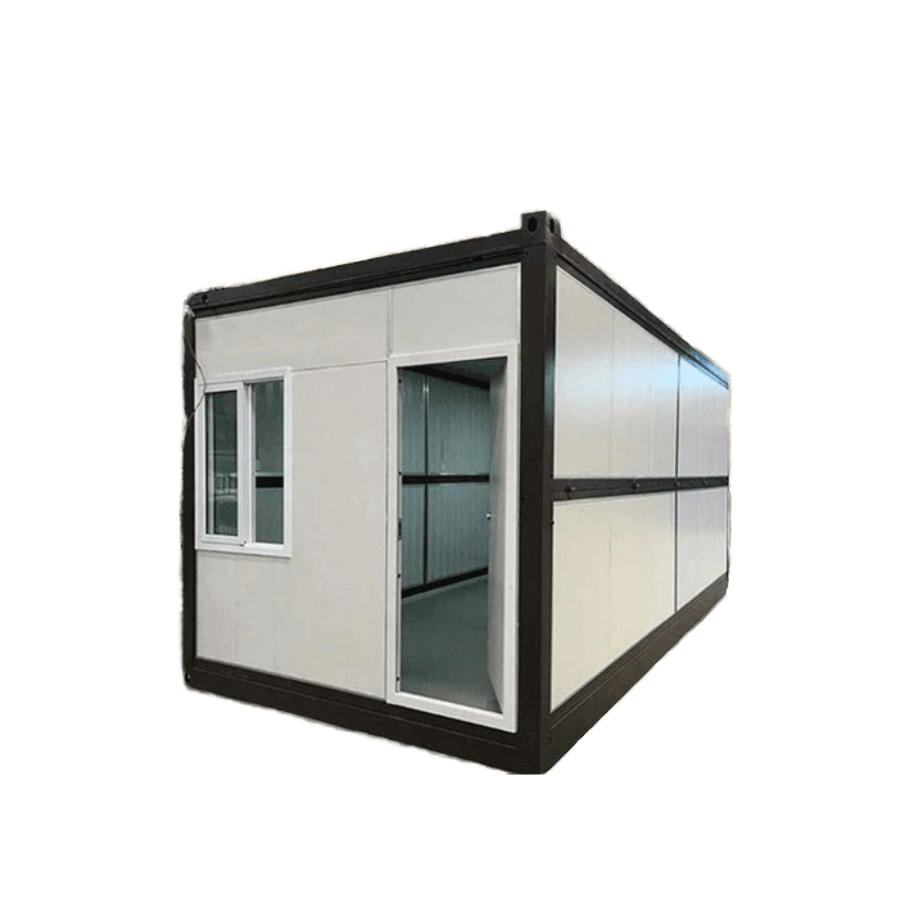
Structural stability is the core of safety inspection. Mobile toilets in Jinchang mostly adopt a modular design. For example, the steel-structure welded type uses galvanized square tubes as the framework, covered with color-coated steel plates or stainless steel plates, providing strong load-bearing capacity and flexible modification. The modular assembled type is pre-assembled in factories with standardized wall panels, roof panels, and floor platforms, and connected with bolts on-site to ensure structural stability. Some high-end models adopt a double-layer hollow galvanized steel framework + 1.2mm 304 stainless steel cladding structure to further enhance anti-deformation capabilities. During inspection, it is necessary to focus on checking whether the welding points of the framework and bolt connections are firm, and whether the overall structure is free of deformation or looseness.
Material weather resistance directly affects the service life of the facilities. Glass-fiber-reinforced plastic composite materials are commonly used for walls, with a compressive strength of over 200 kilograms per square meter. The surface coating is added with ultraviolet light stabilizers to resist strong ultraviolet radiation in the northwest region, with a color retention rate of no less than 90% within five years. The floor adopts anti-slip aluminum alloy grilles, with a porosity controlled at around 40%, ensuring both drainage efficiency and preventing the fall of small items. During inspection, it is necessary to confirm that there are no cracks, fading, or corrosion on the material surface, and whether the coating adhesion meets the standards.
Functional safety design covers sewage discharge, ventilation, earthquake resistance, and electrical safety. The sewage discharge system is equipped with a biodegradation treatment unit or a small-scale septic tank module, achieving on-site treatment of waste through microbial decomposition technology. The ventilation system adopts a combined mode of negative pressure exhaust and natural convection, with an air exchange rate of up to more than 15 times per hour. The earthquake-resistant design meets the requirements for an intensity of 8 degrees, with a 5-centimeter buffer gap left at structural connections. The electrical safety adopts a hybrid power supply solution (photovoltaic panels + battery packs + mains power access interfaces) and is equipped with an energy management chip to automatically switch power supply modes. During inspection, it is necessary to verify whether the operating parameters of each system meet the design standards, such as the air exchange rate and earthquake-resistant gap.
The intelligent monitoring and maintenance system monitors environmental changes in real-time through a sensor network. The data is processed by an edge computing unit and then transmitted to a management platform. The system automatically generates a maintenance list based on the cumulative operating time and usage intensity of components. During inspection, it is necessary to confirm the sensitivity of sensors, the stability of communication modules, and the accuracy of the maintenance list.
Adaptability to application scenarios allows for stable installation on irregular ground with a slope of up to 15 degrees by adjusting the height of the support brackets. The reserved electrical and water supply and drainage interfaces allow for connection to municipal pipe networks or auxiliary equipment. During inspection, it is necessary to verify the stability of the facilities on different terrains and the compatibility of the interfaces.


