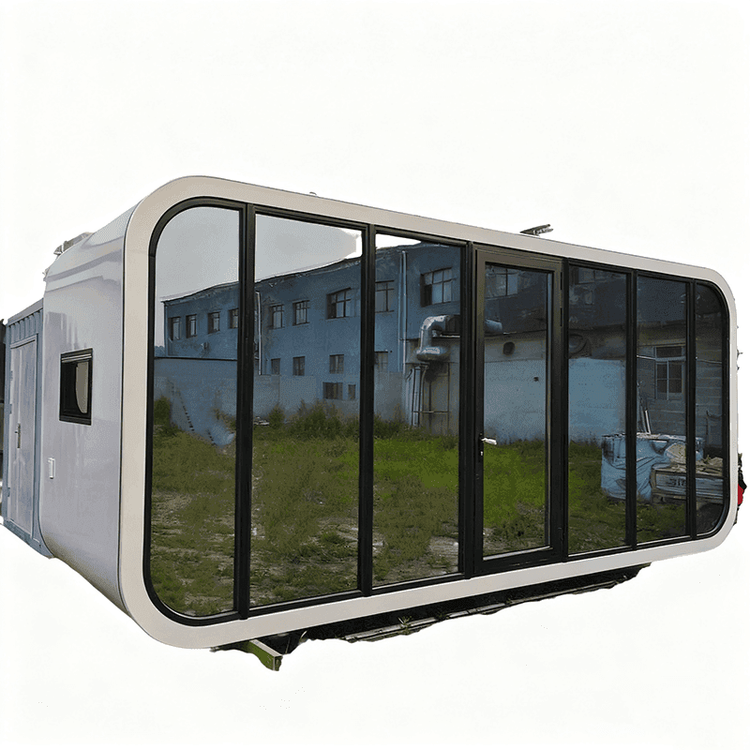
Why Portable Toilet Air Conditioning Matters: A Quick Guide
The importance of portable toilet air conditioning lies in its ability to maintain a comfortable environment throughout the year, especially in extreme weather conditions, and provide an all-weather comfortable experience through integrated air conditioning and non-slip interior surfaces, ensuring that users can still use hygienic, climate-controlled facilities under extreme temperatures or harsh weather.
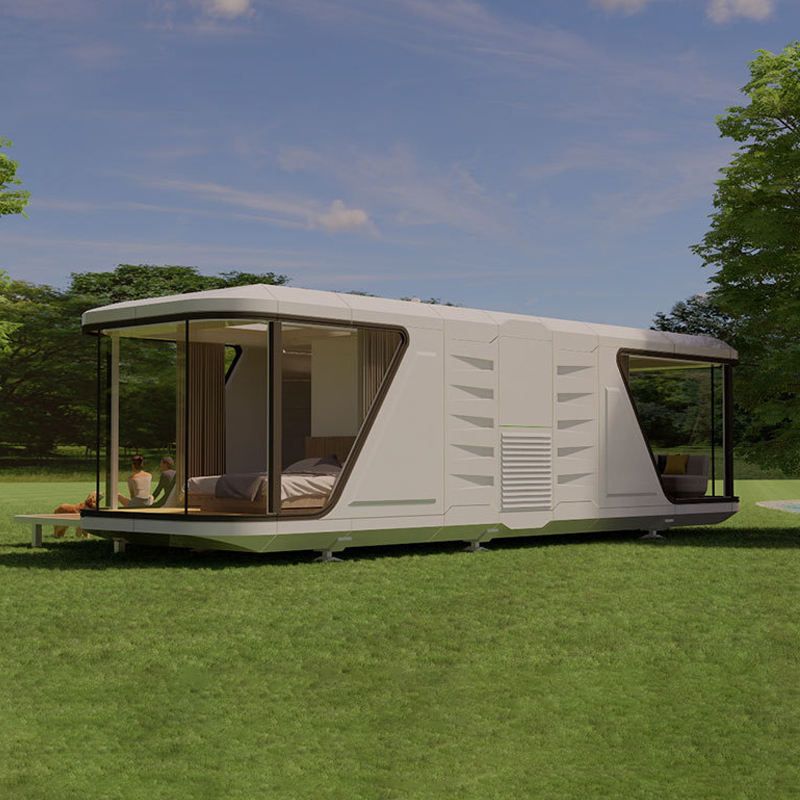
Coping with Extreme Weather and Ensuring User Experience
In extreme hot or cold environments, the internal temperature of traditional portable toilets fluctuates dramatically with the outside temperature. For example, in summer heat, the temperature inside a confined space can exceed 40℃, causing discomfort or even heatstroke for users; in winter cold, the internal temperature may approach freezing, making use difficult. The integrated air conditioning system can actively cool or heat to stabilize the internal temperature within a suitable range (e.g., 20-26℃), significantly improving user comfort. This climate control capability makes it a key facility in outdoor activities, construction sites, disaster relief, and other scenarios.
All-Weather Applicability, Breaking Through Environmental Limitations
The design of portable toilet air conditioning breaks through the traditional facility's reliance on weather. The combination of non-slip interior surfaces and the air conditioning system not only solves the problem of slippery floors caused by high temperatures but also reduces condensation accumulation through dehumidification, further lowering the risk of slipping. In rainy or snowy weather, the air conditioning system can maintain internal dryness, preventing mold growth or odor issues caused by excessive humidity, ensuring long-term hygienic usability of the facilities.
Dual Protection of Hygiene and Climate Control
Traditional portable toilets are prone to hygiene issues under extreme temperatures: high temperatures accelerate bacterial growth, while low temperatures cause waste to freeze and become difficult to clean. The air conditioning system maintains a constant temperature to inhibit microbial activity, while the ventilation function accelerates odor removal, forming a closed loop of climate control and hygiene management. For example, in extreme environments like deserts or polar regions, this design ensures long-term stable operation of the facilities and reduces maintenance frequency.
Expansibility of Applicable Scenarios
From music festivals to military operations, from disaster relief to construction in remote areas, the adaptability of portable toilet air conditioning makes it a necessity in multiple fields. Its modular design allows for rapid deployment, and energy consumption optimization technologies (such as solar-assisted power supply) further reduce operating costs, promoting the global popularization of this technology.