Jieyang Square Portable Toilet
Jieyang Square portable toilets feature mobility, flexible combination, and convenient transportation, making them suitable for densely populated public places such as city streets and squares, and capable of providing diverse solutions according to different scenario requirements.

I. Structural Design and Specifications
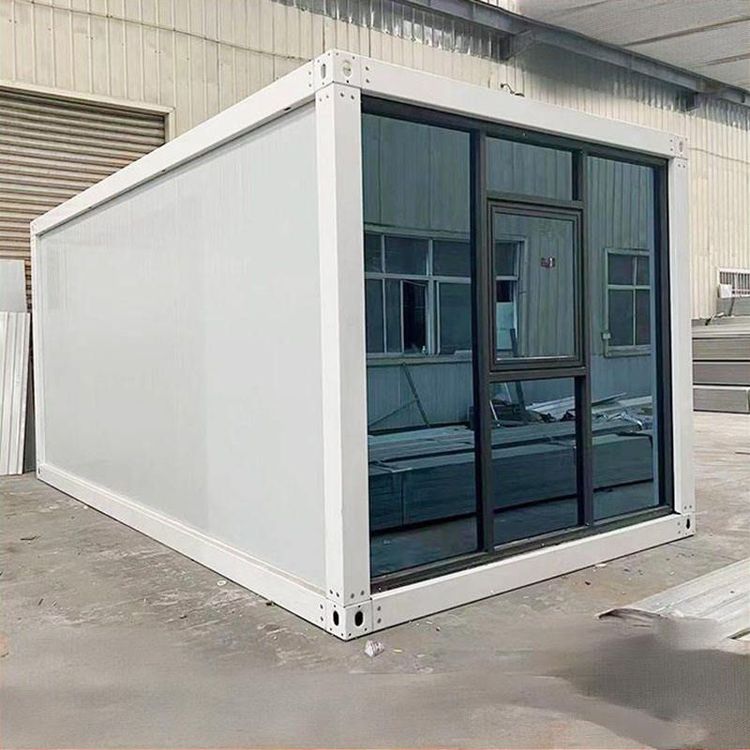
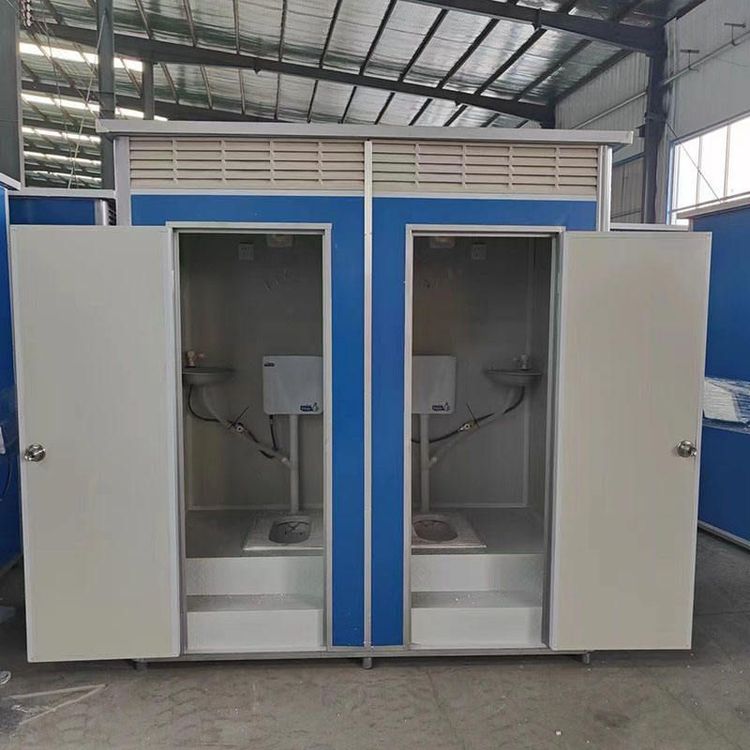
Jieyang Square portable toilets come in various specifications, with container-style designs being relatively common. For example, a 3m × 7m container toilet typically has six squatting positions and urinals inside, with a compact and fully functional layout that can meet the simultaneous needs of multiple users. This design adopts a standardized container frame, ensuring structural stability and facilitating lifting and transportation, making it suitable for rapid deployment at short-term events or temporary venues. Additionally, for scenarios with lower foot traffic, Jieyang also offers single-person portable toilets and small portable toilets, which are compact in size, occupy less space, and can be flexibly placed in narrow areas.
II. Materials and Durability
The material selection for portable toilets emphasizes practicality and durability. Some products use color-coated steel sheets as the main structure, which are lightweight, strong, and corrosion-resistant, effectively withstanding outdoor wind and sun exposure and extending service life. Meanwhile, the smooth surface of color-coated steel sheets facilitates cleaning and maintenance, meeting the hygiene requirements of public places. Internal facilities such as toilets and sinks are mostly made of stainless steel or engineering plastics, ensuring durability while reducing later maintenance costs.
III. Application Scenarios and Advantages
Jieyang Square portable toilets have a wide range of applicable scenarios. On city streets, they can alleviate the problem of uneven distribution of fixed public toilets; in squares, parks, and other open spaces, they can dynamically adjust the quantity according to the scale of activities to avoid resource waste. Their core advantages lie in flexibility—no civil construction is required, the installation period is short, and they can quickly respond to temporary needs; mobility—they can be relocated by lifting or towing, adapting to long-term or short-term use in different areas; combinability—multiple toilets can be spliced and expanded to form temporary sanitation facility clusters, enhancing service capacity.
IV. Environmental Protection and Supporting Design
Some portable toilets are equipped with sewage treatment systems that use biodegradation or chemical treatment technologies to reduce the impact of sewage discharge on the environment. Additionally, the design emphasizes ventilation and lighting, improving internal air quality through top exhaust vents or side windows and enhancing user comfort. Some high-end models also include barrier-free facilities such as handrails and ramps, reflecting humanistic care.