Jianshui Mobile Toilet Single Unit
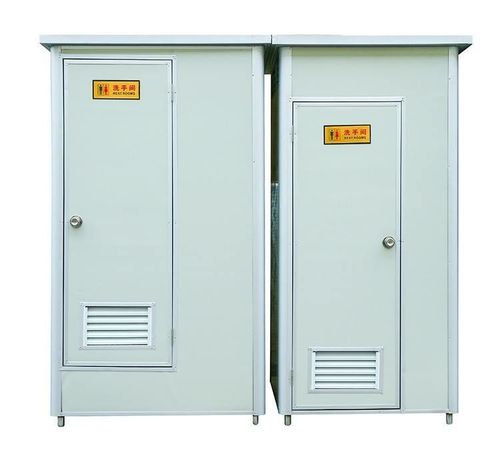
The single-unit type of mobile toilets in Jianshui is represented by the single-squat-type water-flush mobile toilet, which features an independent enclosed space, a modular structure, and compliance with hygiene standards. The following provides an explanation from four aspects: structure, functionality, application scenarios, and technical standards:

1. Structural Composition and Manufacturing Process
The single-squat-type water-flush mobile toilet uses a steel frame as its main support, which is formed into a whole through bolt connections or welding processes to ensure structural stability. The toilet body adopts a modular assembly design, integrating a squat pan made of PP or stainless steel inside, along with a high-level water tank, a flush pump, and a sewage storage tank (or a direct discharge port). The modular design facilitates quick assembly and disassembly, adapting to flexible deployment in different scenarios. The surface of the toilet body is usually treated with anti-corrosion measures, providing good sealing, thermal insulation, and moisture resistance, effectively withstanding outdoor environmental erosion.
2. Core Functions and Hygiene Standards
This type of toilet uses a traditional water-flush method to handle waste, achieving automatic flushing through the cooperation of a high-level water tank and a flush pump to ensure smooth drainage. The sewage storage tank design is suitable for scenarios without municipal sewage systems and requires regular cleaning; the direct discharge port can be directly connected to the municipal sewage network, suitable for long-term fixed use. Odor prevention design is achieved through U-shaped traps or sealing valves, effectively blocking the spread of odors. All materials must comply with national hygiene standards, requiring non-toxicity, harmlessness, corrosion resistance, and the internal space must meet the comfort requirements for single-person use.
3. Typical Application Scenarios
The single-squat design is suitable for places with moderate pedestrian traffic density but requiring rapid deployment. For example:
- Short-term large-scale events: Music festivals, sports events, etc., can quickly increase temporary sanitation facilities;
- Infrastructure construction in remote areas: Highway service areas, tourist attractions, etc., solving the problem of short-term lack of fixed toilets;
- Emergency rescue scenarios: After natural disasters, serving as a temporary transitional sanitation solution.
It is equipped with lifting holes or forklift slots at the bottom, supporting transfer by heavy machinery to meet the needs of frequent movement.
4. Industry Standards and Compliance
According to relevant national hygiene standards, single-unit toilets must meet the following requirements:
- Drainage system: The flush flow rate must meet the standard to ensure complete removal of waste;
- Odor prevention performance: The water seal depth of the trap must be ≥50mm, or mechanical sealing devices must be used;
- Material safety: Components in contact with the human body must pass food-grade safety certification;
- Structural strength: The load-bearing capacity must meet the requirements for single-person use and vibrations during transportation.
Such toilets, through modular design and standardized production, balance functionality, economy, and environmental protection, becoming one of the mainstream choices for outdoor sanitation facilities.