
Jiangxi Public Mobile Toilet Design
The design of public mobile toilets in Jiangxi focuses on practicality and adaptability to multiple scenarios, meeting diverse needs and integrating regional cultural characteristics through principles such as modularity, comprehensive functionality, and environmental protection and energy efficiency.
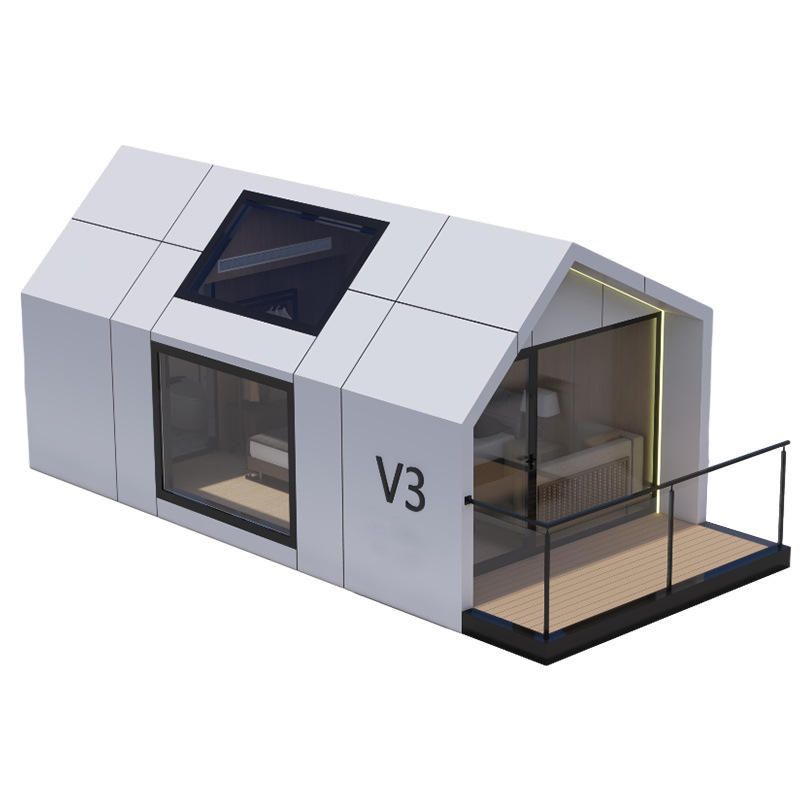
1. Modular Design Enhances Flexibility
Multi-user mobile toilets adopt a modular structure, facilitating quick installation, disassembly, and transportation. This design allows for flexible combinations based on actual needs, such as adjusting the number of stalls for temporary events or expanding capacity in crowded areas. Modularity also supports split transportation, reducing logistics costs, especially in regions with complex terrain or limited traffic access.
2. Comprehensive Functionality Combined with Intelligence
Basic configurations include independent partitions, ventilation systems, automatic flushing, and sensor lighting to ensure privacy and hygiene. Some toilets incorporate IoT technology, enabling real-time monitoring of usage frequency, water and electricity consumption, and equipment status through remote control for intelligent management. For example, cleaning staff can be automatically dispatched during peak hours, and faulty modules can be quickly located for repair.
3. Environmental Protection and Energy Efficiency Throughout the Process
Advanced sewage treatment technologies such as biodegradation and membrane filtration are employed to reduce sewage discharge. Water-saving devices like sensor faucets can reduce water consumption by over 30%. Fecal resource utilization design converts excreta into organic fertilizer, aligning with green and low-carbon principles. Some toilets are equipped with solar panels to power lighting and ventilation systems, further reducing energy consumption.
4. Scenario-Based Configuration Precisely Matches Needs
- Large Events: One public toilet is allocated for every 200 people, with additional barrier-free facilities, baby care rooms, and toilet paper provided. Dynamic expansion through mobile modules is possible during peak hours.
- Construction Sites: Waterproof and moisture-proof prefabricated public toilets are selected, equipped with hooks and shelves, with reserved space for ventilation and sewage discharge. Each site is configured with 2-3 stalls.
- Tourist Attractions: The exterior design mimics wood or ancient architecture to blend into the environment, with one public toilet set up every 500 square meters, equipped with sensor flushing, deodorization systems, and disabled access.
- Temporary Exhibitions/Markets: Portable single-unit public toilets are used, configured with 2-3 stalls and sinks, with some adopting a compact design of 'mixed-gender + barrier-free'.
- Outdoor Camping/Music Festivals: Foldable or trailer-mounted public toilets are selected, equipped with solar power systems, with one toilet allocated for every 100 people and signage provided.
5. Cultural Adaptation and All-Age-Friendly Design
The exterior design incorporates elements of Jiangxi's red culture and ceramic culture, such as using blue-and-white porcelain patterns or revolutionary theme colors to avoid homogenization. Mandatory configurations include a third toilet, baby care stations, and children's toilets to meet the needs of the elderly, children, and disabled individuals, reflecting humanistic care.
6. Easy Maintenance Reduces Operational Costs
The modular structure supports quick repair and replacement, such as replacing a single damaged stall without suspending the entire unit. Regular cleaning combined with intelligent monitoring reduces the frequency of manual inspections, ensuring long-term stable operation.



