
How About Jiangsu Mobile Toilets
Jiangsu mobile toilets excel in structural design, functional configuration, site adaptability, and other aspects, making them a high-quality choice to meet diverse scenario demands.
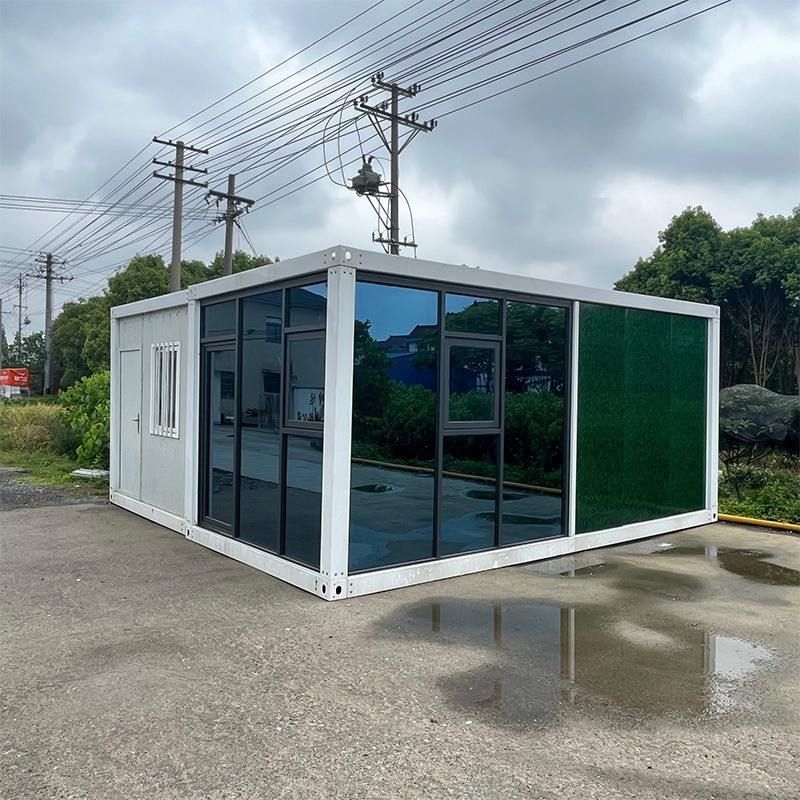
Scientific and reasonable structural design and material selection: Jiangsu mobile toilets mostly adopt a modular design, consisting of metal frames and composite panels. They can be quickly assembled, with on-site installation usually completed within a few days, while the average construction period for traditional fixed toilets is several weeks, significantly shortening the construction time. Materials such as fiberglass-reinforced plastic and aluminum alloy are commonly used, which are corrosion-resistant and can adapt to Jiangsu's humid and rainy climate. At the same time, these materials are lightweight, have sufficient structural strength, have smooth surfaces that are not prone to dirt adhesion, and are easy to clean and maintain, reducing long-term use costs.
Advanced functional configuration and technological application: Their functional configurations not only meet basic toilet needs but also many units are equipped with lighting systems, ventilation devices, and hand-washing facilities inside, enhancing the user experience. Some models incorporate water-saving flushing systems, reducing water consumption per flush by about one-third compared to traditional water-flush toilets, aligning with environmental protection concepts. There are diverse sewage disposal methods. In addition to models connected to municipal sewage networks, there are also independent units that use biological treatment technologies or chemical decomposition methods, which can operate in areas without sewer systems, expanding the scope of use.
Outstanding site adaptability and deployment characteristics: Jiangsu mobile toilets have flexible deployment capabilities and can be quickly deployed to designated locations according to actual needs, showing significant advantages in holiday events, temporary gatherings, or construction sites across Jiangsu. They have low requirements for site conditions. Independent models can operate without relying on water and power supply and sewage pipelines and can be placed in areas where it is difficult to build fixed facilities, such as park green spaces and riverbank areas, solving the problem of limited traditional toilet construction.
Low maintenance management and operational costs: The maintenance cost structure is different from that of fixed toilets. Overall replacement can be used for maintenance. When a unit requires deep cleaning or repair, a spare unit can be directly used for replacement without affecting normal use. Some mobile toilets use solar power systems, reducing dependence on external energy sources and operational costs. Moreover, standardized design makes component replacement convenient and improves maintenance efficiency.
Small environmental impact and ecological influence: Jiangsu has a dense river network and high groundwater levels, posing great challenges to the construction of traditional underground sewage pipelines. Some models of mobile toilets adopt special treatment methods to adapt to this environment, reducing ecological damage. In addition, professional companies can design various environmentally friendly toilets according to customer needs, providing customized services to meet the personalized needs of different scenarios.



