
Jiangjin Outdoor Mobile Toilet
Services related to outdoor mobile toilets in Jiangjin cover both rental and sales, with a diverse range of product types, scientific designs, and wide application scenarios.
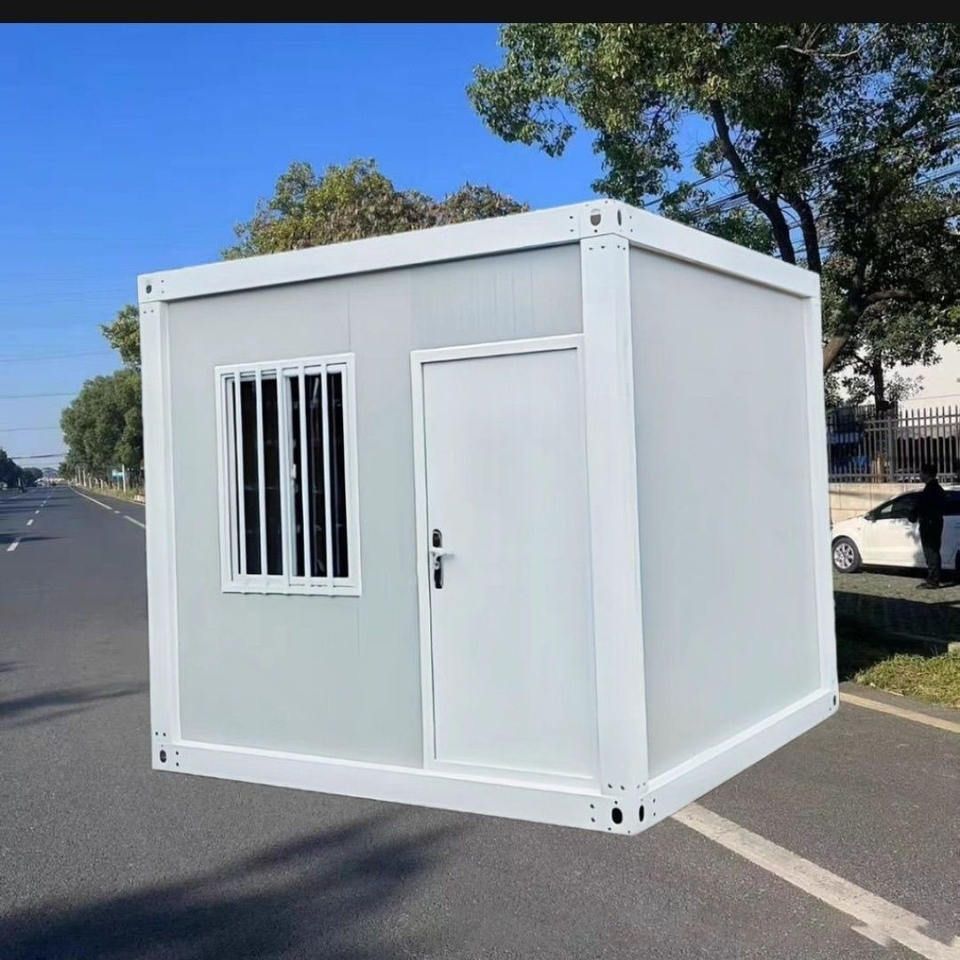
I. Product Types Outdoor mobile toilets available in Jiangjin include epidemic prevention center-specific types, portable types, and more. Epidemic prevention center mobile toilets are usually equipped with independent ventilation systems, antibacterial materials, and medical-grade disinfection equipment to meet public health and safety requirements. Portable mobile toilets, on the other hand, feature lightweight designs for rapid deployment and transfer, suitable for temporary events or emergency scenarios.
II. Key Dimensions of Design and Production
- Structural Materials and Durability: The main frames are made of galvanized steel plates, aluminum alloys, or stainless steel to ensure wind and earthquake resistance. The walls are filled with insulation and fireproof materials such as polyurethane foam, enabling adaptation to extreme climates ranging from -30℃ to 50℃.
- Environmental Protection and Treatment Technologies: Mainstream treatment methods include packaging-type (collecting waste through biodegradable film bags), microbial degradation-type (using bacterial colonies to decompose organic matter), and vacuum self-priming-type (reducing water consumption through negative pressure suction). Some high-end products integrate membrane bioreactors (MBRs) to purify wastewater for reuse in toilet flushing, achieving a water resource utilization rate of over 90%.
- Humanized and Barrier-Free Design: Standard features include handrails, emergency call buttons, children's toilets, and low-positioned handwashing basins. Barrier-free restrooms strictly adhere to the "Barrier-Free Design Code" (GB 50763-2012), with door widths ≥900mm and internal space ≥1.8m×1.4m to accommodate wheelchair rotation.
- Intelligence and Convenience: Integrated with IoT technologies such as smart sensor flushing (water-saving rate over 60%), automatic lighting (triggered by human presence), people flow counting (optimizing waste removal frequency), odor monitoring (automatically activating deodorization when thresholds are exceeded), and overflow alarms (notifying maintenance via liquid level sensors), enhancing management efficiency.
III. Application Scenarios and Service Models Product forms include single-unit types (covering 1.5-2㎡), row-type combinations (such as the "2+1" model, consisting of 2 standard units + 1 barrier-free unit), large trailer-mounted types (accommodating 8-12 toilet compartments), and vehicle-mounted types (integrated onto vehicle chassis for high mobility). The service model provides full-chain support, including production customization, sales and delivery, rental and installation, and post-maintenance (including daily cleaning, waste removal, and equipment inspection), ensuring full lifecycle management.



