How Long Can a Portable Toilet Last
The service life of a portable toilet generally ranges from 5 to 15 years, with the specific duration influenced by multiple factors.
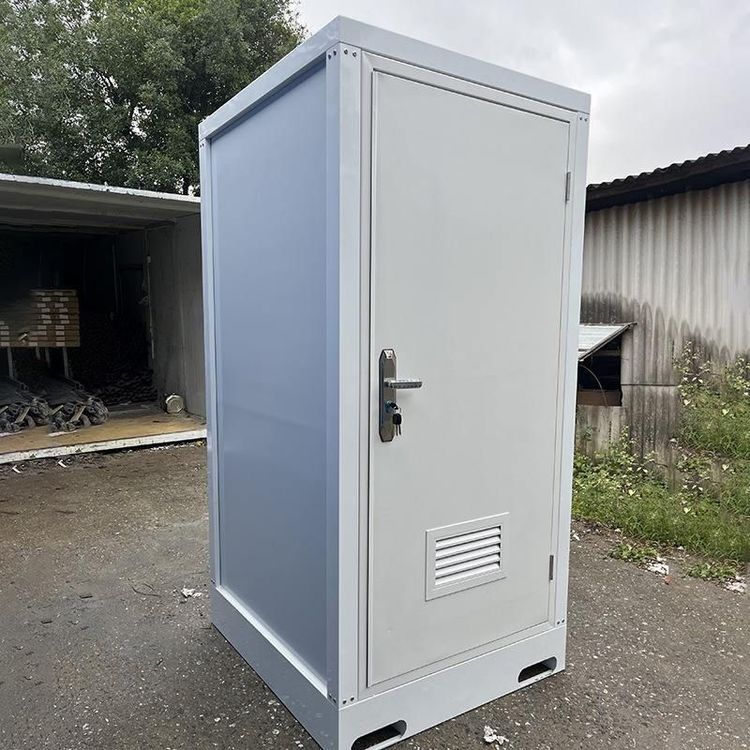
Material Aspect: Different materials have a significant impact on the service life of portable toilets. If high-quality steel and other durable materials are used for the frame and it undergoes good anti-corrosion treatment, such as a portable toilet with a frame made of hot-dip galvanized steel pipes, the frame will remain sturdy after more than 10 years of use in a normal environment. If ordinary steel is used and the anti-corrosion measures are inadequate, problems like rust and corrosion may occur on the frame in about 5 years, affecting overall stability. Portable toilets with exterior walls using special processes can have a frame life of up to 30 years. There are also differences in the service life of portable toilets for construction sites made of different materials. Fiberglass-reinforced plastic is highly corrosion-resistant and has good UV resistance, with a typical service life of 5 - 8 years. Polyethylene is lightweight and easy to transport, but its anti-aging performance is relatively weak, and its service life is generally 3 - 5 years.
Usage Environment: The usage environment has a major impact on the wear and tear of portable toilets. In relatively dry, well-ventilated environments with low foot traffic, the service life of portable toilets will be relatively longer. For example, some relatively independent portable toilets in areas with few tourists in scenic spots may remain in good condition after 15 years of use. In damp, sandy, or extremely crowded places, such as construction sites and large-scale event venues, the wear and tear will accelerate. Portable toilets used on construction sites may require major repairs or replacement of some parts in 3 to 5 years. Salt spray corrosion in coastal areas will accelerate the aging of metal components, potentially shortening the service life by 20% - 30%. In cold regions, low temperatures can cause plastic to become brittle, so special attention should be paid to winter maintenance.
Maintenance and Upkeep: Regular cleaning, inspection, and maintenance of portable toilets can effectively extend their service life. If comprehensive cleaning is carried out at least once a week, component inspection and tightening are done once a month, and anti-corrosion and anti-rust treatment of key parts are carried out once a year, the service life will be closer to the upper limit. Conversely, without maintenance, various faults and damages may occur within a few years. The maintenance and upkeep of portable toilets for construction sites also include monthly inspection of vulnerable parts such as door locks, hinges, and water pipes, cleaning with neutral detergents, draining water pipes in winter to prevent freezing and cracking, checking waterproof seals after the rainy season, and covering them for dust prevention after cleaning and drying when they are left idle for a long time.
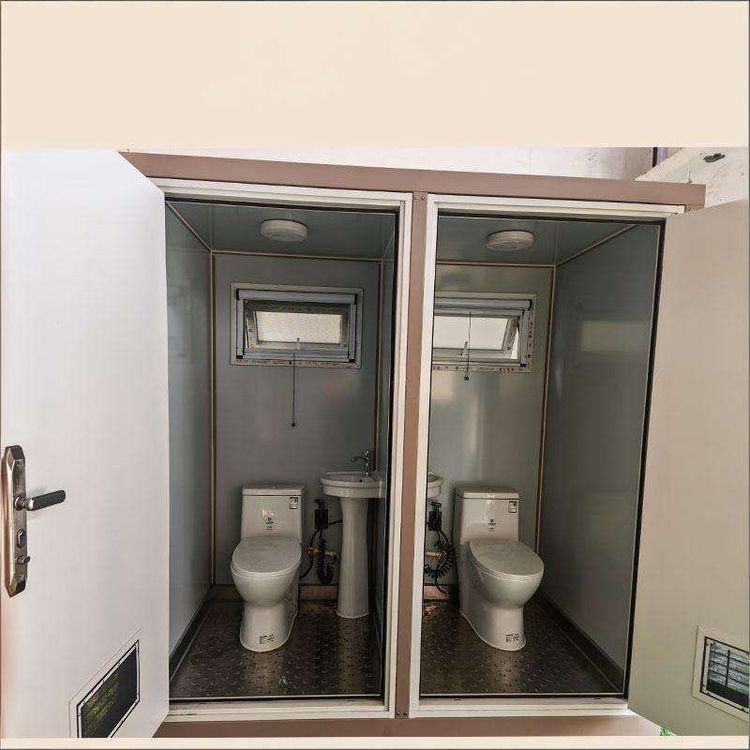
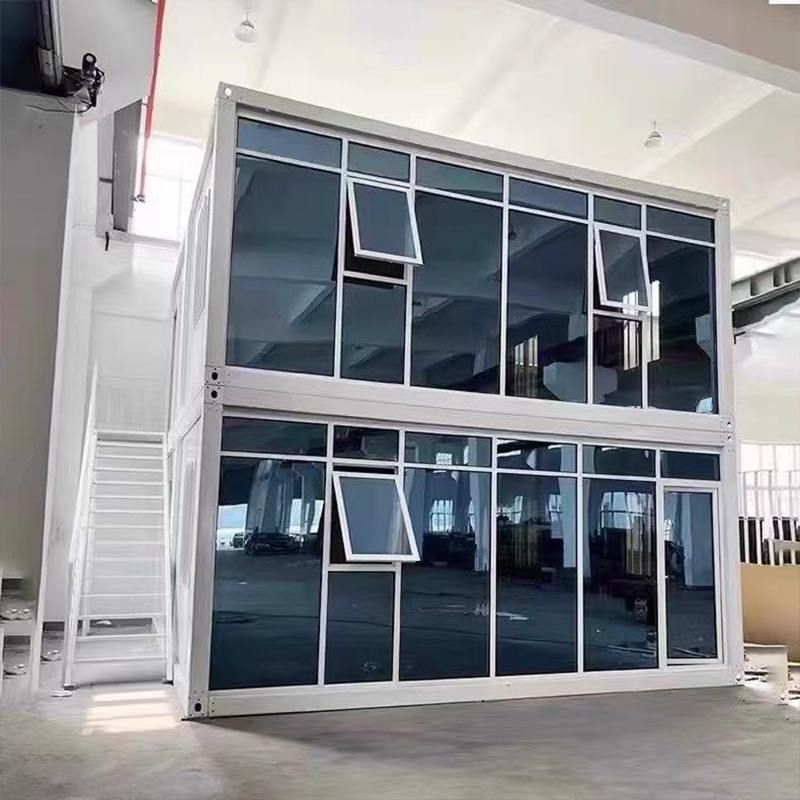
Other Factors: In terms of structural design, an integrated overall structure is more stable, with strong wind and earthquake resistance and a slower aging rate. The assembled type is convenient for transportation and installation, but the connection parts are prone to wear, and the service life is relatively shorter. In terms of usage intensity, portable toilets with an average daily usage of less than 50 person-times can have a service life close to the upper limit. For those with an average daily usage of more than 200 person-times, the service life may be shortened by 30% - 50%. In addition, choosing thicker main frame materials can also increase the service life.