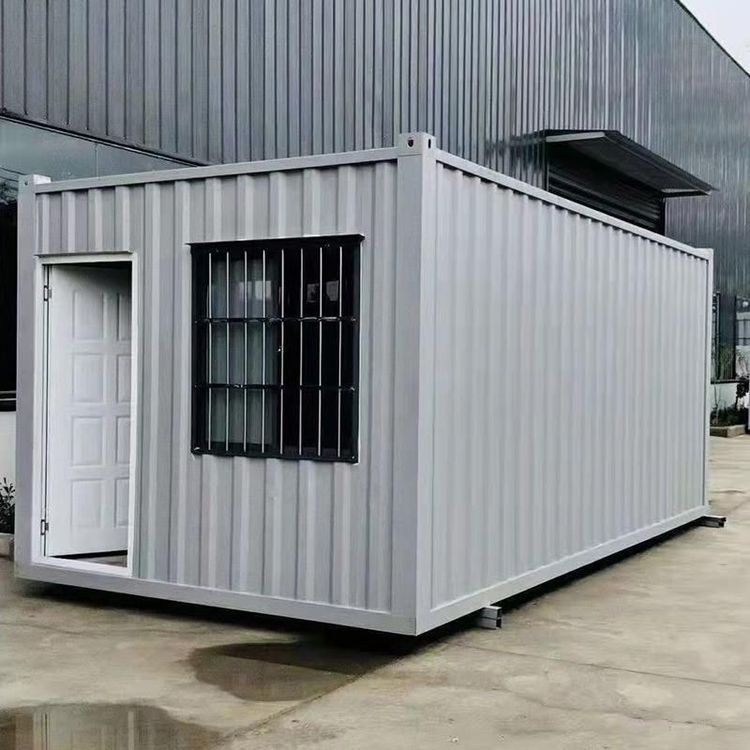
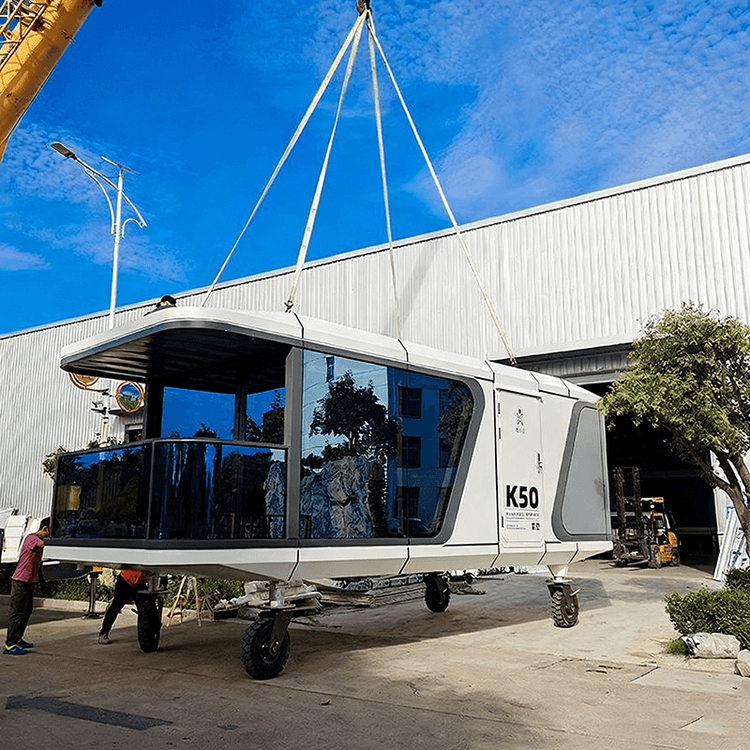
Jiangjin Flush Mobile Toilet Installation
The installation of flush mobile toilets in Jiangjin needs to follow a scientific process, covering key steps such as demand assessment, equipment transportation, on-site inspection, water and electricity pipeline laying, rapid connection, and system debugging. The specific steps are as follows:

1. Pre-installation Demand Assessment and Planning
Before installation, it is necessary to comprehensively calculate the event scale, peak pedestrian flow, locations of water and electricity interfaces on the site, usage duration, and subsequent waste removal conditions. For example, if the event lasts a long time and has a high pedestrian flow, it is advisable to prioritize connecting to the municipal sewage network for waste disposal. If there is no municipal connection on the site, an independent septic tank should be equipped, and a waste removal passage should be reserved. Meanwhile, the toilet layout should comply with barrier-free access standards, such as setting up ramps and handrails to ensure the safety of special groups.
2. Equipment Transportation and Secondary On-site Inspection
After the equipment is transported to the site, the installation team needs to conduct a secondary inspection of the ground, focusing on checking its flatness and load-bearing capacity. If the ground is soft (such as muddy ground or backfilled soil), a hardened base layer (such as concrete or steel plates) should be laid to prevent the equipment from sinking or tilting. In addition, it is necessary to confirm that there are no obstructions around the site to facilitate the subsequent laying of water and electricity pipelines and the installation of ventilation ducts.
3. Water and Electricity Pipeline Laying and Safety Protection
The laying of water and electricity pipelines is a core part of the installation. The water supply pipes should be made of pressure-resistant and freeze-resistant materials (such as PPR pipes) and ensure stable water pressure (usually not lower than 0.2 MPa). The electrical circuit should be independently grounded and equipped with a leakage protection device to avoid the risk of electric shock caused by a humid environment. If used in winter, the water supply pipes should be wrapped with insulation layers to prevent freezing and cracking.
4. Rapid Equipment Connection and System Debugging
When connecting the water inlet pipe, drainage pipe, and ventilation duct, it is necessary to accurately calculate the slope of the drainage pipe (usually not less than 2%) to ensure smooth sewage discharge. After the system is supplied with water and electricity, each functional unit such as the flush valve, lighting, and exhaust fan should be checked one by one:
- Flush System: If it is a water-saving type, the sensitivity of the sensing device should be calibrated. If it is a foam-sealing type, the proportion of the foaming liquid should be adjusted to ensure the sealing effect.
- Ventilation System: Check whether the air volume of the exhaust fan meets the standard (usually not less than 100 m³/h) to avoid odor retention.
- Safety System: Test the response time of the leakage protection device (usually ≤ 0.1 seconds) to ensure electrical safety.
5. Acceptance and Usage Training
After the installation is completed, it should be inspected by professionals to confirm that the equipment operates stably, has no leakage, and has no odor. At the same time, provide operational training to the users, including daily cleaning, the waste removal cycle of the septic tank (usually once every 3-5 days), and emergency troubleshooting (such as flush valve jamming and circuit tripping) to ensure the long-term normal use of the equipment.